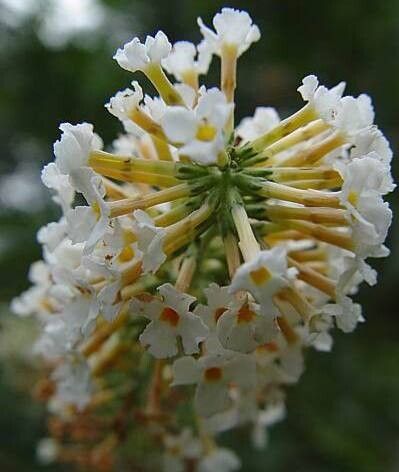
Oh, hello there! Grab a cuppa, and let’s chat about Buddleja albiflora, that beautiful butterfly bush. I’ve spent so many years with these fragrant beauties, and honestly, coaxing new life from them is one of the most rewarding things you can do in the garden. If you’re a beginner, you’ll be happy to know that Buddleja is quite the obliging plant when it comes to sharing its offspring. It’s definitely a forgiving one to start with!
The Best Time to Start
My favorite time for propagating Buddleja is generally in late spring to early summer. This is when the plant is actively growing and has plenty of lovely, pliable stems. You want to look for stems that are young and still a bit soft, not the old, woody bits that have hardened off. Think of them as the energetic teenagers of the plant world – full of vigor!
Supplies You’ll Need
To set yourself up for success, gather these bits and bobs:
- Sharp pruning shears or a clean knife: Essential for making clean cuts.
- Rooting hormone (optional but recommended): A little boost can really help those roots form.
- A well-draining potting mix: I like a blend of peat-free compost and perlite or sharp sand. About a 50/50 mix works wonders.
- Small pots or seed trays: Clean ones are a must!
- A plastic bag or propagator lid: To create a mini greenhouse effect.
- Watering can with a fine rose: For gentle watering.
- Labels: So you don’t forget what you’ve planted!
Propagation Methods
Let’s get our hands gloriously dirty! Stem cuttings are generally the most straightforward and effective way to go with Buddleja albiflora.
Stem Cuttings
- Take your cuttings: Find those nice, new, non-flowering shoots. You’re looking for pieces about 4-6 inches long. Make the cut just below a leaf node (that little bump where a leaf attaches). This is where the magic happens!
- Prepare the cuttings: Gently remove the lower leaves. You only want to leave a couple of leaves at the top to help with photosynthesis without losing too much moisture. If your cuttings are a bit long, you can even trim them in half horizontally – it’s a bit of an old trick, but it reduces water loss.
- Apply rooting hormone (if using): Dip the cut end of the stem into the rooting hormone powder, tapping off any excess.
- Pot them up: Fill your small pots with your prepared potting mix. Make a pilot hole with a pencil or dibber, then gently insert the cutting. Press the soil gently around the base to ensure good contact.
- Water gently: Water them thoroughly but carefully, so you don’t dislodge the cuttings.
- Create a humid environment: Cover the pots with a clear plastic bag or pop them into a propagator. Make sure the leaves aren’t touching the plastic if possible. Place them in a bright spot, but out of direct, hot sun.
Water Propagation (A Fun Alternative)
This is how I first started experimenting, and it’s incredibly satisfying to watch!
- Prepare your cuttings: Similar to stem cuttings, take 4-6 inch lengths, but you can leave a few more leaves on this one.
- Place in water: Pop them into a clean jar or glass of fresh, clean water.
- Change the water regularly: This is key! Every couple of days, change out the water to keep it fresh and prevent any nasties from growing.
- Location, location, location: Place them in a bright spot, out of direct sunlight.
- Wait for roots: You should start seeing those little white roots emerge in a few weeks. Once they’re about an inch long, it’s time to pot them up into soil following the steps above for stem cuttings.
The “Secret Sauce” (Pro Tips)
Now for a couple of little tricks I’ve picked up over the years:
- Bottom Heat is Your Friend: If you’re serious about getting speedy results, placing your pots on a warm propagator mat can make a world of difference. It encourages those roots to form much quicker. It’s like giving them a cozy little foot-warming session!
- Don’t Overcrowd: Even though it’s tempting to fill your pots, give each cutting a bit of space. This helps with air circulation and reduces the risk of fungal diseases.
- The Gentle Shake Test: After a few weeks, give a cutting a very gentle tug. If there’s resistance, you’ve got roots! Don’t pull it out to check, though – that’s a recipe for disaster.
Aftercare & Troubleshooting
Once you see those lovely new roots appearing – hooray!
- Acclimatize carefully: If you’ve kept them under cover, start by lifting the lid for short periods, gradually increasing the time until they’re used to the open air.
- Potting up: Once they have a good root system, you can pot them into slightly larger individual pots.
- Watering: Keep the soil consistently moist, but not waterlogged. They’re still young and a bit delicate, so treat them kindly.
The main thing to watch out for is rot. If your cuttings start to look limp and slimy, or if you see blackening stem bases, it’s usually a sign of too much moisture and not enough air circulation, or possibly a fungal issue. In that case, it’s best to discard them and start again with fresh, clean cuttings and a better-draining mix. Hygiene is really important to prevent these problems.
A Closing Thought
Propagating Buddleja is such a fulfilling endeavor. It’s a wonderful way to get more of those gorgeous, fragrant blooms to fill your garden, and it’s incredibly satisfying to watch a tiny cutting grow into a thriving plant. Be patient, have fun with it, and enjoy the process of nurturing new life! Happy gardening!
Resource:
https://identify.plantnet.org/k-world-flora/species/Buddleja%20albiflora%20Hemsl./data