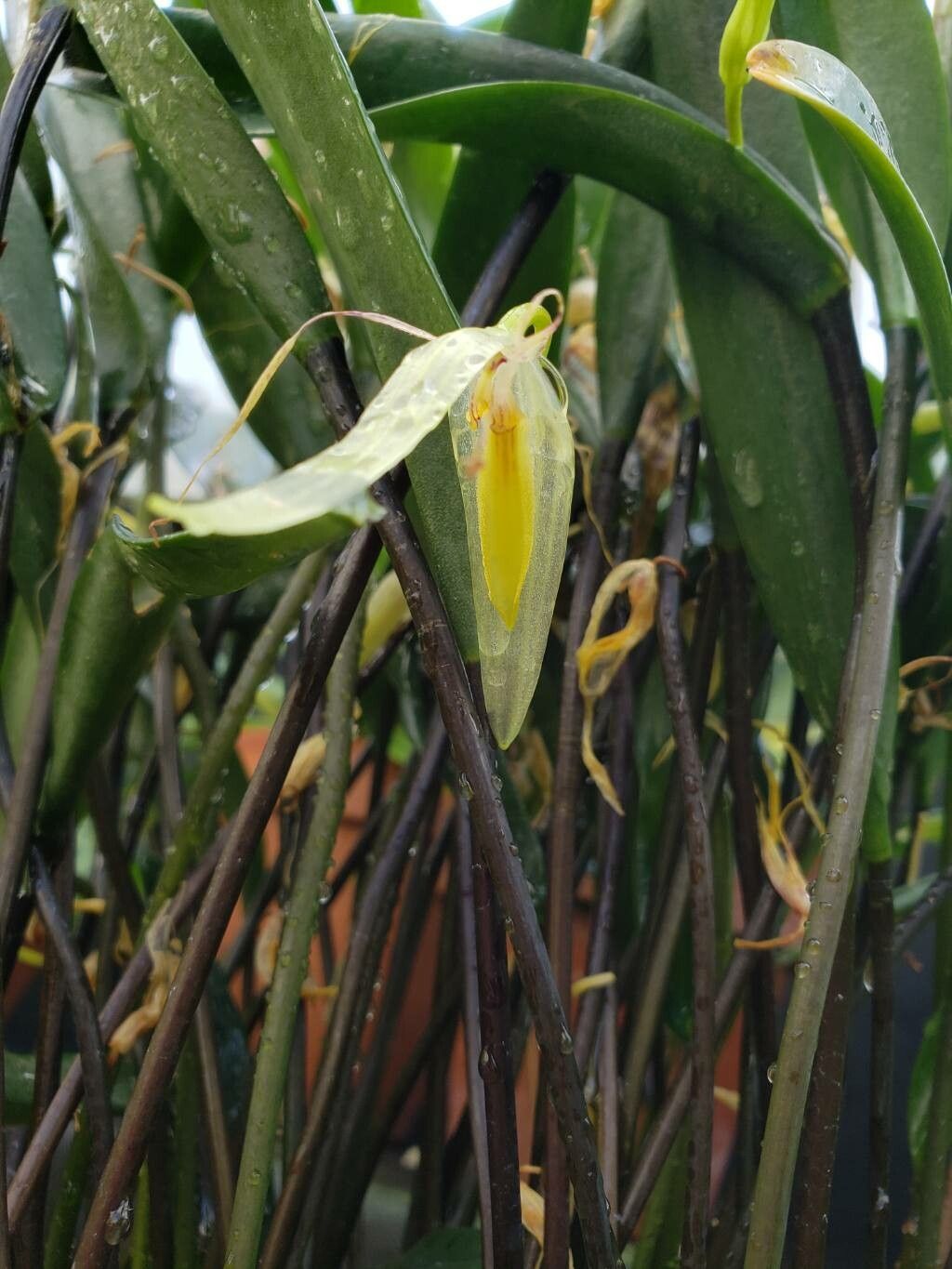
Hello fellow plant lovers! If you’ve ever admired the delicate beauty of Pleurothallis saueri and wished you had more of these miniature wonders, then you’re in the right place. Their intricate blooms are like tiny jewels, and coaxing new life from them is a truly satisfying endeavor. Now, I’ll be honest, Pleurothallis can be a bit of a diva sometimes. They aren’t the absolute easiest for a complete beginner, but with a little care and attention, anyone can learn to propagate them successfully. Don’t be discouraged – the rewards are absolutely worth it!
The Best Time to Start
For Pleurothallis saueri, the sweet spot for propagation is really when the plant is in an active growth phase. This usually means late spring through summer. You’ll see new shoots emerging and the plant generally looking robust. Trying to propagate when it’s dormant or stressed is a recipe for frustration, so let’s work with its natural rhythms.
Supplies You’ll Need
Here’s what you’ll want to have on hand before you get started:
- Sharp, sterile pruning shears or a clean razor blade: Cleanliness is paramount to prevent disease.
- A well-draining potting mix: I find a mix of orchid bark, perlite, and a bit of sphagnum moss works wonders. You want it airy!
- Small pots or trays: Something that holds moisture but also allows for good air circulation. Terracotta pots are fantastic for this.
- Rooting hormone (optional but helpful): A powder or gel can give your cuttings a little extra encouragement.
- Clear plastic bag or propagation dome: To create a humid environment.
- Spray bottle: For keeping humidity levels up.
- Water: Clean, room-temperature water.
Propagation Methods: Let’s Get Growing!
The most common and effective way to propagate Pleurothallis saueri is through division. These plants tend to grow in clusters, making it relatively easy to separate them.
- Gently remove your Pleurothallis from its pot. Turn it on its side and coax it out. If it’s stuck, give the pot a gentle squeeze.
- Inspect the root ball. Look for natural divisions where new pseudobulbs or growth points are clearly separated.
- Carefully tease apart the plant. You can use your fingers for this, or your sterile shears if it’s a bit more stubborn. The goal is to separate the plant into smaller sections, each with at least one growth point and a decent amount of healthy roots.
- If the roots are tangled, you can gently rinse them under cool water. This helps you see the divisions more clearly.
- Pot up your new divisions. Place each section into its own small pot filled with your prepared, well-draining mix. Make sure the base of the plant is at the soil level.
- Water lightly. Just enough to settle the mix. You don’t want it soggy.
- Create a humid environment. Place the potted divisions into a clear plastic bag or under a propagation dome. You can also just loosely cover them with a plastic bag.
The “Secret Sauce” (Pro Tips from My Greenhouse)
It’s not magic, it’s just experience! Here are a couple of things I’ve learned that make a big difference:
- Don’t overwater! This is probably the biggest killer of young Pleurothallis. They need to dry out slightly between waterings. Even new divisions are prone to rot if kept too wet. Think “moist, not soggy.”
- Bottom heat is your friend. If you have a seedling mat, placing your pots on it can really speed up root development. It provides gentle warmth that mimics the root zone, encouraging new growth.
Aftercare & Troubleshooting
Once your divisions are potted, keep them in a brightly lit spot but out of direct, harsh sunlight. Maintain that high humidity with regular misting if you aren’t using a dome or bag.
You’ll know your new plants are taking root when you see new leaf growth or aerial roots emerging. This can take a few weeks, so be patient.
The most common sign of trouble is rot. If you notice mushy, discolored stems or leaves that yellow and drop very quickly, it’s usually a sign of too much moisture. If you catch it early, you might be able to save the division by repotting it in drier mix or removing the rotting parts with your sterile tool. Yellowing leaves without mush can sometimes just be transplant shock, so observe carefully before intervening too drastically.
A Encouraging Closing
Propagating Pleurothallis saueri is a process that teaches you a lot about patience and observation. Don’t expect instant results. Enjoy the journey of nurturing these tiny treasures, and soon you’ll have a whole collection to admire! Happy growing!
Resource: