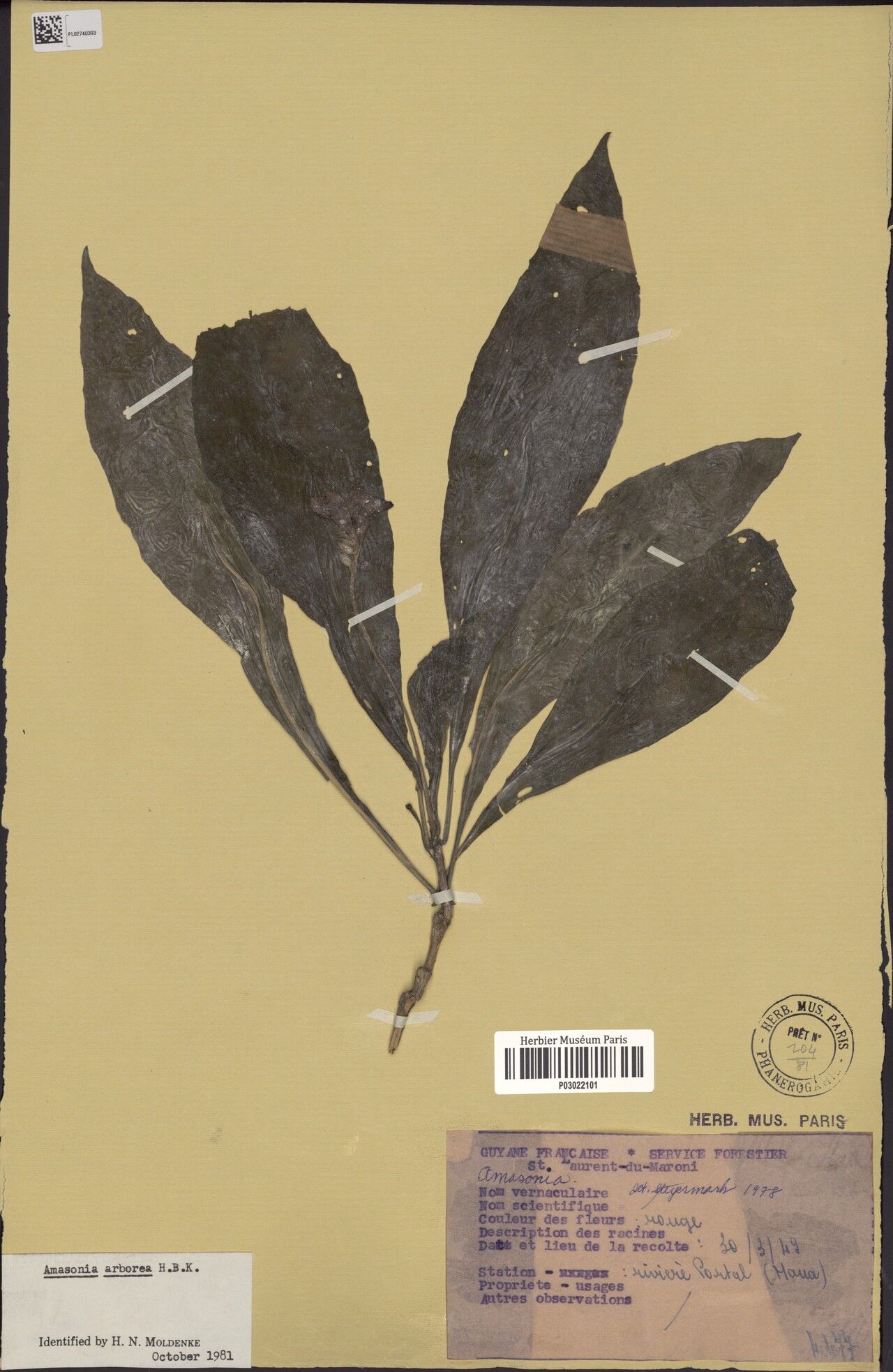
Hello, fellow garden enthusiasts! Today, we’re diving into the wonderful world of Amazonia arborea. If you’ve ever seen this beauty gracing a sun-drenched windowsill or a bright corner of your garden, you know it’s a showstopper. Its lush, tropical foliage brings a touch of the exotic indoors, and who wouldn’t want more of that?
Propagating Amazona arborea is one of those deeply satisfying gardening experiences. It’s like coaxing a brand-new life from a piece of yourself, and honestly, it’s not as daunting as it might sound. While it has a bit of a reputation, with a little guidance, you’ll be making new Amazonias in no time.
The Best Time to Start
My favorite time to get hands-on with propagation is during the active growing season, usually late spring through early summer. You know, when the days are getting longer and your plants are just bursting with energy. This is when they’re most robust and ready to put their efforts into growing roots, not just resting. Waiting for this vibrant growth will definitely give you a better chance of success.
Supplies You’ll Need
Here’s a little toolkit I always have ready when I’m ready to propagate:
- Sharp Pruning Shears or a Knife: Clean, sharp tools are essential for a clean cut. No smashing, please!
- Rooting Hormone (Optional but Recommended): This really gives your cuttings a helpful boost. Look for one with IBA.
- A Well-Draining Potting Mix: I like to use a blend of perlite, peat moss, and good quality potting soil. Aim for something that won’t hold too much water. Maybe a 1:1:1 ratio.
- Small Pots or Propagation Trays: Clean pots are crucial to prevent disease.
- Clear Plastic Bags or a Humidity Dome: This will help keep the humidity around your cuttings nice and high.
- Water: To moisten your soil and, well, for water propagation if you choose that route!
- Labels and a Pen: Trust me, you’ll thank yourself later.
Propagation Methods
Let’s get our hands dirty with a couple of effective ways to multiply your Amazonia arborea.
Stem Cuttings: The Classic Approach
This is my go-to method for Amazonia arborea.
- Take Healthy Cuttings: Select a healthy stem from your mature plant. Look for one that’s actively growing, not too woody, but not so soft it flops over. Using your sharp shears, make a clean cut just below a leaf node (where a leaf attaches to the stem). You want cuttings that are about 4-6 inches long.
- Prepare the Cuttings: Gently remove the lower leaves from the cutting. You want to expose at least one or two leaf nodes, as this is where roots will emerge. You can leave the top few leaves on, but if they are very large, you might want to cut them in half to reduce water loss.
- Apply Rooting Hormone: Dip the cut end into your rooting hormone. Tap off any excess. This stuff is potent!
- Plant Your Cuttings: Fill your pots or trays with your prepared potting mix. Moisten the soil thoroughly. Make a small hole with your finger or a pencil, and gently insert the cutting, ensuring the leaf nodes are covered by the soil. Firm the soil gently around the base of the cutting.
- Create a Humid Environment: Water lightly again. Then, cover the pot with a clear plastic bag or place it in a propagation tray with a lid. Stake the bag so it doesn’t touch the leaves.
Water Propagation: Seeing is Believing
This method is wonderfully visual!
- Select and Prepare Cuttings: Follow steps 1 and 2 from the stem cutting method. You want those nice, healthy pieces.
- Place in Water: Fill a clean jar or glass with fresh water. Submerge the leaf nodes of your cuttings in the water. Make sure to remove any leaves that will sit below the waterline. This is super important to prevent rot!
- Find a Suitable Spot: Place your jar in a bright location, but out of direct sunlight.
- Change the Water Regularly: Every few days, change the water to keep it fresh and oxygenated. You’ll be amazed at how quickly you’ll see those little white roots start to appear.
The “Secret Sauce” (Pro Tips)
After years of coaxing plants into new life, I’ve picked up a few tricks:
- Bottom Heat is Your Friend: For stem cuttings, placing your pots on a propagation mat or a heating pad set to a low setting can dramatically speed up root development. It mimics that lovely warm soil you find in tropical climates.
- Don’t Be Afraid to Prune: If a cutting looks like it’s struggling or not taking, don’t be afraid to trim off any yellowing or mushy leaves. Sometimes a little tidying up is all it needs to redirect its energy.
- Patience is Key with Leaves: For water propagation, I’ve learned that no leaves should touch the water. Seriously, this is the number one culprit for rot. It’s better to have fewer leaves on a submerged part of the stem than to invite disease.
Aftercare & Troubleshooting
Once you start seeing roots appearing (you can gently tug on a cutting – if there’s resistance, it’s rooted!) or if your water propagation cuttings have roots an inch or two long, it’s time for a little more attention.
For cuttings in pots, gradually acclimate them to lower humidity by opening the plastic bag or dome a little each day over a week. Once they’re looking robust, you can plant them into their own small pots with a good draining mix. Water them thoroughly and place them in bright, indirect light.
For water-propagated plants, once the roots are a good few inches long, they are ready for soil. Plant them carefully into small pots with your well-draining mix, treating them like any other new seedling. Water them in well.
The most common sign of trouble is rot. If a cutting turns black and mushy, it’s a sad sign it hasn’t made it. This usually happens if the soil is too wet and there isn’t enough air circulation. If you see this, remove the affected cutting immediately to prevent it from spreading. Less common, but also a sign of failure, is if the cutting just shrivels up and dies without any signs of rooting – this can happen if it’s too dry, or just not a viable cutting.
A Encouraging Closing
Propagating Amazona arborea is a journey, not a race. There will be triumphs, and there might be a few little setbacks, but don’t let that discourage you. Every gardener learns through trial and error. Just enjoy the process, appreciate the little victories, and before you know it, you’ll have a whole collection of these gorgeous plants. Happy propagating!
Resource:
https://identify.plantnet.org/k-world-flora/species/Amasonia%20arborea%20Kunth/data