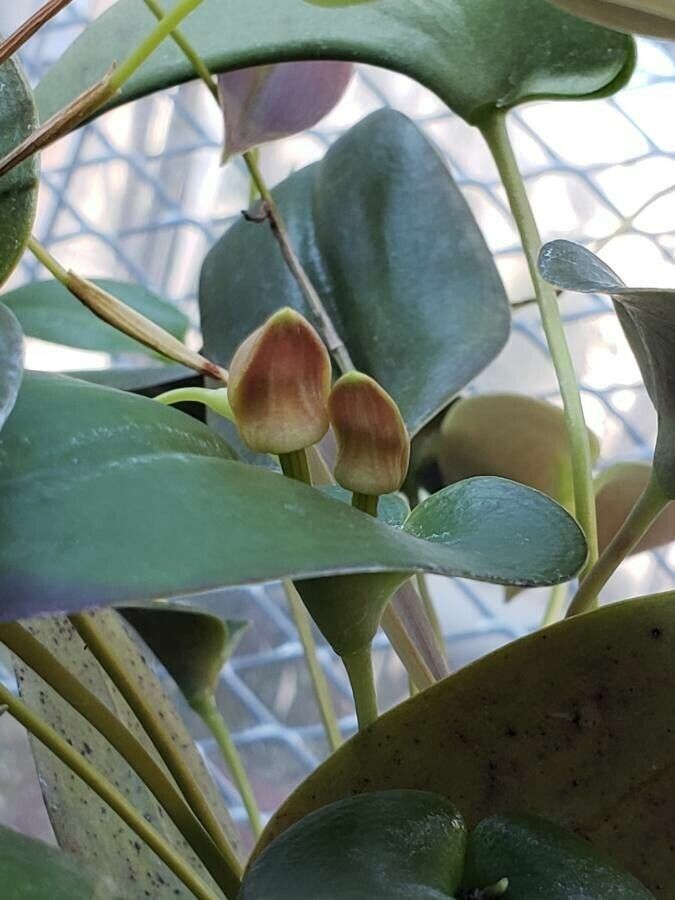
Hello there, fellow plant lovers! I’m so excited to chat with you today about a little gem that’s captured my heart over the years: Pleurothallis maduroi. If you’re drawn to the intricate beauty of miniature orchids, you’re going to adore this one. Its delicate, often uniquely shaped leaves and subtle blooms can bring a whole lot of charm to a terrarium or a shaded windowsill.
Propagating Pleurothallis maduroi might sound a bit daunting, especially if you’re new to the orchid world, but don’t let that discourage you. While it’s not quite as straightforward as snipping a begonia stem, it’s absolutely within reach for the enthusiastic beginner who’s willing to pay attention to a few key details. The reward? More of these exquisite little plants to admire, share, or simply fill your growing space with their quiet magic.
The Best Time to Start
For most orchids, including our Pleurothallis maduroi, the most opportune time to think about propagation is during or just after their active growing season. I find that spring and early summer are usually fantastic. This is when the plant is naturally putting out new energy and growth, meaning it has more reserves to dedicate to developing new roots and shoots. You’ll be able to see new pseudobulbs or leaves forming, which gives you a clear signal that the plant is ready to be gently divided or has parts you can work with.
Supplies You’ll Need
Gathering your tools beforehand will make the whole process much smoother. Here’s what I usually have on hand:
- Sharp, sterile pruning shears or a clean hobby knife: For making precise cuts. Sterilize them with rubbing alcohol to prevent disease.
- Orchid potting mix: A fine-grade, well-draining mix. I often use a blend of small bark chips, perlite, and coco coir.
- Small pots or containers: Enough to house your new divisions or cuttings. Terra cotta pots are great for orchids as they allow good air circulation.
- Sphagnum moss: Especially useful for encouraging root growth on cuttings.
- Watering can with a fine rose: For gentle watering.
- Optional: Rooting hormone: A mild rooting hormone can give your cuttings or divisions a little boost. Look for one formulated for orchids.
- Optional: Clear plastic bags or a small humidity dome: To maintain high humidity for cuttings.
Propagation Methods
Pleurothallis maduroi is best propagated through division. This is where you carefully split a mature plant into smaller sections, each with its own roots and at least a couple of healthy pseudobulbs or leaves.
Here’s how I do it:
- Gently remove the plant from its pot. If it’s well-established, you might need to carefully tease out the roots with your fingers or a chopstick.
- Inspect the root system and growth points. Look for natural divisions. You want to ensure each new section has several healthy roots and at least two to three pseudobulbs or strong, leafy growths.
- With your sterile shears or knife, carefully cut through the rhizome (the creeping stem connecting the growths) to separate the sections. Try to make as few cuts as necessary and be as gentle as possible to minimize damage to the roots.
- Trim away any dead or mushy roots.
- Pot each division separately. Use your well-draining orchid mix. Ensure the base of the plant is at the same level it was in the original pot.
- Water lightly. You don’t want to saturate the new potting medium immediately. A light misting or a very gentle watering is usually sufficient.
The “Secret Sauce” (Pro Tips)
Now, for a couple of little tricks I’ve learned over the years that can really make a difference:
- Don’t be afraid of the rhizome: When dividing, focus on separating at the natural joints of the rhizome. This is where the plant is most easily divided and where it has the best chance of initiating new growth. Don’t just rip it apart, though! A clean cut is always best.
- Patience with the roots: After dividing, the plant might look a little sad for a short while. This is normal! It’s busy re-establishing its root system. What I often do is place the newly potted divisions in a slightly more humid spot for a week or two, perhaps under a clear plastic bag with a few air holes, until I see signs of new growth or firmer roots. This creates a lovely microclimate for them.
Aftercare & Troubleshooting
Once your new Pleurothallis maduroi divisions are potted, the key to success lies in consistent, gentle care.
- Light: Place them in their usual spot, which for Pleurothallis maduroi is typically bright, indirect light. Avoid direct sun, which can scorch their delicate leaves.
- Watering: This is crucial. Water when the potting medium is almost dry. Overwatering is one of the quickest ways to kill a new orchid division. Feel the pot; if it feels light, it’s probably time to water. Mist the leaves occasionally if your home is dry, but let the potting medium dry out between waterings.
- Humidity: They appreciate good humidity, but good air circulation is equally important. Avoid stagnant air, which can lead to fungal issues.
- Fertilizing: Once you see active new growth – a new leaf or root tip – you can start fertilizing with a very diluted orchid fertilizer (quarter strength) every few weeks.
Troubleshooting: The most common issue you’ll encounter is rot. If you see mushy, blackening leaves or stems, it’s usually a sign of too much moisture combined with poor air circulation. If you catch it early, you might be able to trim away the affected parts with sterile tools and repot into fresh, dry medium. If a division completely rots, don’t be too hard on yourself. It happens to the best of us! Sometimes, it’s just a matter of the plant being too stressed or conditions not being quite right.
There you have it! Propagating Pleurothallis maduroi through division is a wonderful way to expand your collection and deepen your understanding of these fascinating orchids. Remember to be patient, observe your plants closely, and don’t be afraid to celebrate even the smallest signs of success. Happy growing!
Resource:
https://identify.plantnet.org/k-world-flora/species/Pleurothallis%20maduroi%20Luer/data