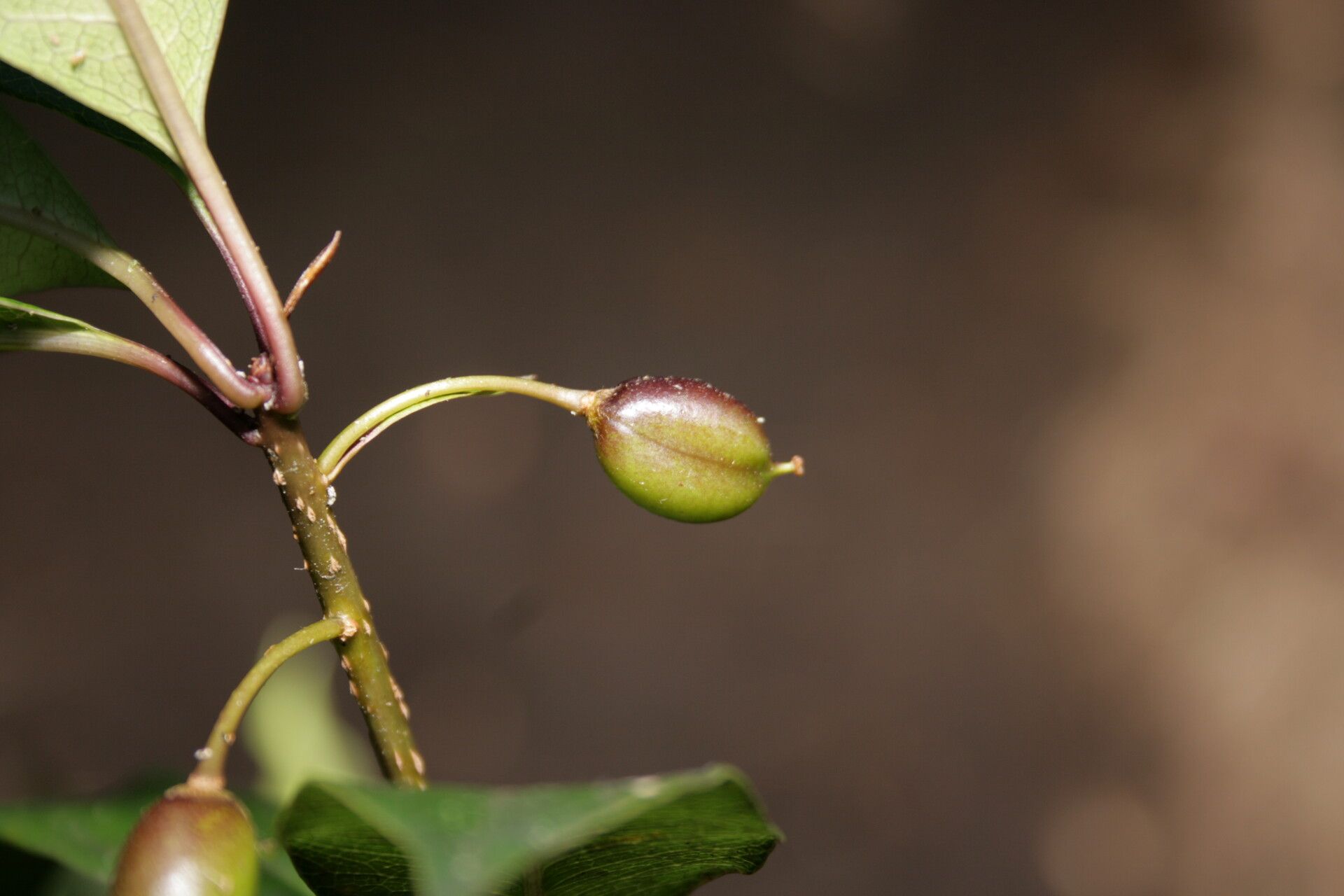
Well hello there, fellow plant enthusiast! If you’re like me, you’ve probably found yourself admiring those beautiful Pittosporum berberidoides – those delightful little shrubs with their glossy, leathery leaves and often a lovely citrusy scent. I’ve been growing and sharing them for years, and let me tell you, propagating them is such a rewarding journey. It’s incredibly satisfying to take a little piece of a plant you love and coax it into becoming something new. And the good news? While no propagation is completely foolproof, Pittosporum berberidoides is quite amenable, making it a great plant to try your hand at, even if you’re just starting your green-thumb adventure.
The Best Time to Start
For Pittosporum berberidoides, I find the late spring to early summer is your golden window. This is when the plant is actively growing, which means it’s full of energy and ready to put that energy into developing roots. You want to be looking for new, semi-hardwood growth. Think of it as wood that’s started to firm up a bit, but isn’t completely woody and mature. Trying to take cuttings when the plant is dormant in winter usually results in a lot of disappointment.
Supplies You’ll Need
Here’s what I always have on hand when I’m ready to propagate:
- Sharp, clean pruning shears or a sharp knife: For making clean cuts. Sterilize them with isopropyl alcohol to prevent disease.
- Potting mix: A well-draining, sterile mix is key. I usually use a blend of about 50% perlite and 50% peat moss or coco coir. You can also buy specialized seed starting or propagation mixes.
- Small pots or seed trays: Whatever you have available that can hold your cuttings and has drainage holes.
- Rooting hormone (optional but recommended): This is a powdered or liquid substance that encourages root development. It gives your cuttings a real boost.
- A watering can or spray bottle: For gentle watering.
- Plastic bags or a propagation dome: To create a humid environment.
- Labels: So you don’t forget what you planted!
Propagation Methods
Let’s dive into the most reliable way to get new Pittosporum berberidoides: stem cuttings.
- Taking the Cuttings: First, identify those healthy, new shoots that are about 4-6 inches long. Using your clean shears or knife, make a cut just below a leaf node (where a leaf attaches to the stem). This is where the magic of root formation really kicks in.
- Preparing the Cuttings: Gently remove the lower leaves from the cutting. You want to make sure no leaves will be submerged in the potting medium or water later on, as this can lead to rot. If your cutting has very large leaves, you can even cut them in half horizontally to reduce water loss through transpiration.
- Applying Rooting Hormone (Optional): Dip the cut end of the stem into a small amount of rooting hormone. Tap off any excess.
- Planting the Cuttings: Fill your small pots with your well-draining potting mix. Make a small hole in the center with your finger or a pencil. Insert the cutting into the hole, ensuring the treated end is making good contact with the soil. Gently firm the soil around the stem. You can usually fit 2-3 cuttings per small pot, as long as they aren’t touching each other.
The “Secret Sauce” (Pro Tips)
Okay, here are a couple of things I’ve learned over the years that really seem to make a difference:
- Don’t drown them early! When you first pot up your cuttings, water them thoroughly, but then let the potting mix dry out slightly between waterings. Soggy soil is the quickest way to invite rot. I often prefer to gently mist the soil surface with a spray bottle rather than drenching it after the initial watering.
- Bottom heat works wonders. If you happen to have a seedling heat mat, pop your pots on it. This gentle warmth from below encourages root development without overheating the foliage. It’s like giving those future roots a cozy little incubator.
Aftercare & Troubleshooting
Once your cuttings are planted, it’s time to create a humid environment. Cover the pots with a clear plastic bag, making sure the leaves don’t touch the plastic if possible (you can use stakes to prop it up). You can also use a propagation dome if you have one. Place the pots in a bright spot that gets indirect light. Direct sun will scorch them!
Check your cuttings regularly. You’re looking for signs of new growth, which usually means you’re getting roots. This can take anywhere from 4 to 8 weeks, sometimes longer. Gently tug on a cutting; if there’s resistance, you have roots!
The most common problem you’ll face is rot. This usually happens if the cuttings are too wet, the airflow is poor, or they’re in too much direct sun. If you see a cutting turning black and mushy, sadly, it’s time to discard it and disinfect your tools. Pruning off any signs of rot early can sometimes save the rest of your cuttings.
A Encouraging Closing
So there you have it! Propagating Pittosporum berberidoides is a fantastic way to expand your garden and share these lovely plants with friends. Be patient with the process – gardening is often about waiting – and enjoy the satisfaction of nurturing new life. Happy propagating!
Resource:
https://identify.plantnet.org/k-world-flora/species/Pittosporum%20berberidoides%20Burkill/data