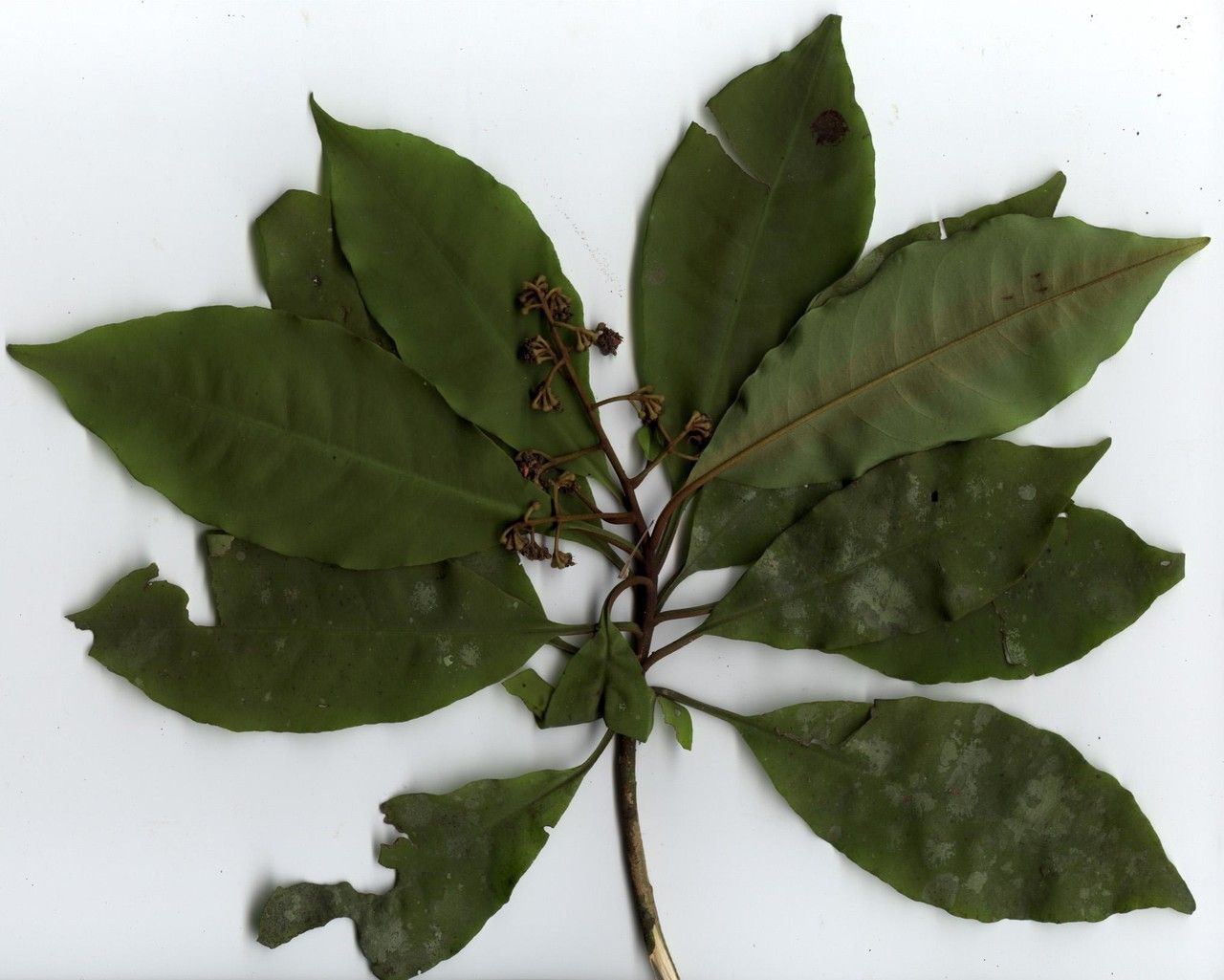
Oh, hello there! Grab a mug, settle in, and let’s talk about a truly delightful plant: Parathesis microcalyx. You might know it as the “soap bush” or “seed-of-doubt tree” by some folks, and while its common names are a bit intriguing, its real charm lies in its dainty, often fragrant, white blossoms and its lovely, glossy foliage. Growing them from seed can be a bit of a lottery, but propagating this little gem from cuttings? Now that’s where the real magic happens, and I think you’ll find it wonderfully rewarding. This isn’t the trickiest plant to propagate, but it does have its quirks, so let’s dive in!
The Best Time to Start
For Parathesis microcalyx, I’ve found the late spring to early summer is your golden window. This is when the plant is actively growing, and those vibrant green stems have a good amount of energy stored up. You’re looking for semi-hardwood cuttings. These are stems that have started to firm up but aren’t yet woody and rigid. They’re flexible enough to root, but mature enough to resist wilting too quickly. Avoid taking cuttings from new, very soft growth, as they tend to be too delicate.
Supplies You’ll Need
Gathering your supplies beforehand makes the whole process so much smoother. Here’s what I always have on hand:
- Sharp, clean pruning shears or a sharp knife: For making clean cuts. Sterilize them with rubbing alcohol between each cut!
- Rooting hormone: A gentle rooting powder is usually sufficient here.
- Well-draining potting mix: I like to use a blend of peat moss, perlite, and a bit of coarse sand. A 1:1:1 ratio works beautifully. You can also buy specialized propagation mixes.
- Small pots or seed trays: With drainage holes, of course.
- Plastic bags or a clear plastic dome: To create a humid environment.
- Watering can or spray bottle: For gentle watering.
- Labels and a marker: Essential for keeping track of your little green babies!
Propagation Methods
For Parathesis microcalyx, stem cuttings are my go-to method, and it’s quite reliable.
Stem Cuttings
- Select Your Parent Plant: Choose a healthy, vigorous Parathesis microcalyx that’s showing good growth.
- Make the Cut: Using your sterilized pruning shears, snip off a stem that is about 4-6 inches long. Try to take the cutting from a section that’s midway between soft new growth and old, woody growth – that’s your semi-hardwood. Make the cut just below a leaf node (the point where a leaf attaches to the stem). This is where the plant’s rooting hormones are most concentrated.
- Prepare the Cutting: Gently remove the lower leaves, leaving only the top few leaves to photosynthesize. If the remaining leaves are very large, you can cut them in half horizontally to reduce water loss.
- Apply Rooting Hormone: Dip the cut end of the stem into your rooting hormone powder. Just coat the bottom inch or so. Tap off any excess gently.
- Plant Your Cuttings: Fill your small pots with your prepared, moistened potting mix. Make a small hole with a pencil or your finger, and insert the cutting so the bottom leaf nodes are below the soil surface. Gently firm the soil around the stem.
- Create Humidity: Water the soil gently. Then, cover the pot with a clear plastic bag or place it under a clear dome. This traps in moisture and keeps humidity high, which is crucial for cuttings to root. Make sure the leaves don’t touch the plastic.
- Find a Warm Spot: Place the pots in a bright location out of direct sunlight. A warm windowsill is often perfect.
The “Secret Sauce” (Pro Tips)
Over the years, I’ve learned a few tricks that can really boost your rooting success.
- Bottom Heat is Your Friend: If you can, place your pots on a gentle heating mat. This encourages root development from the bottom up. You don’t need it screaming hot, just consistently warm.
- Don’t Drown Them! It’s easy to overwater, especially when you’re trying to keep things humid. The soil should be consistently moist, but not soggy. If you see standing water in the pot, you’ve gone too far.
- Patience is a Virtue: Sometimes, it takes a bit longer than you expect for roots to form. Resist the urge to constantly pull up the cuttings to check. You’ll know they’re rooting when you see new leaf growth or when you gently tug on the cutting and feel resistance. This can take anywhere from 4-8 weeks, sometimes longer.
Aftercare & Troubleshooting
Once you see signs of life – new leaves appearing or that little bit of resistance when you tug – it’s time to transition.
First, gradually acclimate them. Slowly start to remove the plastic covering over a few days. This helps them adjust to normal humidity levels. Continue to keep them moist but not waterlogged.
Troubleshooting: The most common issue is rot. If your cutting turns black and mushy, it’s likely rotted from too much moisture and not enough air circulation. Ensure good drainage and try not to overwater. Another sign of failure is if the cutting wilts significantly and never recovers, even with humidity. This can happen if it was too dry, or if the stem simply wasn’t viable. Don’t get discouraged; sometimes, it just doesn’t work out, and that’s okay! Just try again.
A Little Encouragement
Propagating plants is a wonderful way to connect with nature and multiply your greenery. Don’t be afraid to experiment, and remember that each attempt is a learning experience. Be patient with your Parathesis microcalyx cuttings, give them the right conditions, and you’ll soon have a whole garden of these lovely plants to enjoy. Happy propagating!
Resource:
https://identify.plantnet.org/k-world-flora/species/Parathesis%20microcalyx%20Donn.Sm./data