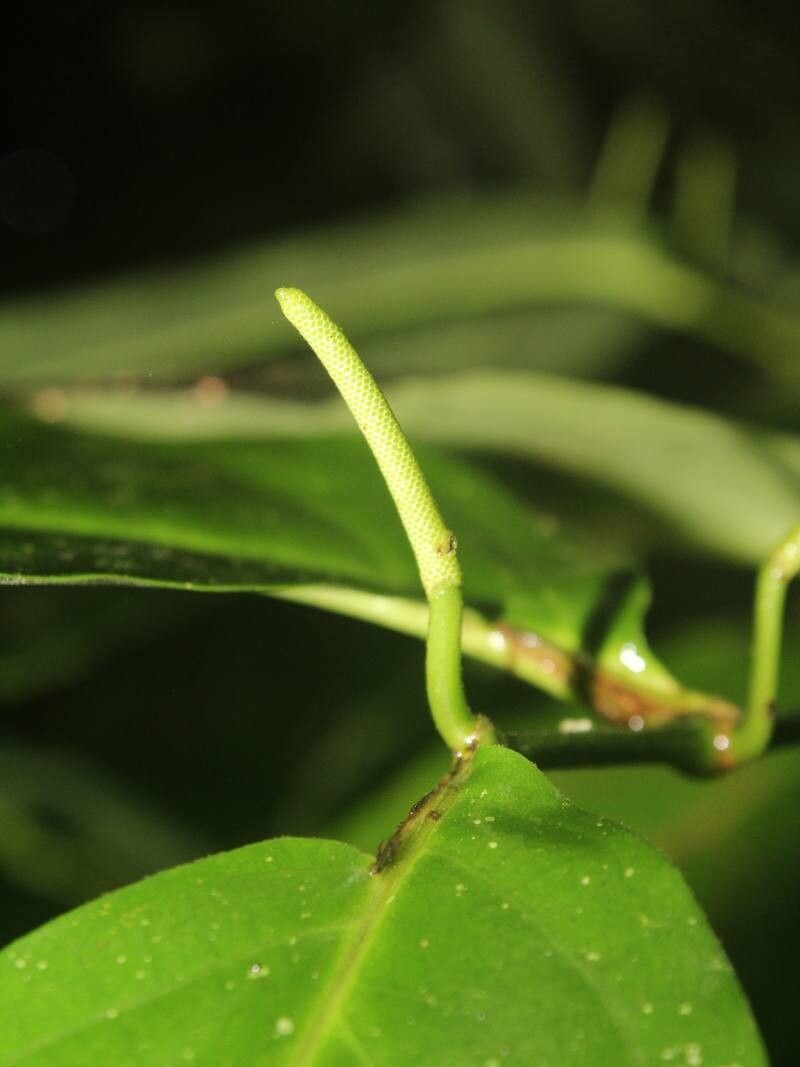
Ah, Piper corozalanum! Isn’t she a stunner? That deep, velvety green and those sculptural leaves just beg to be admired. I’ve been growing this beauty for years, and let me tell you, successfully propagating your own little ones is an incredibly satisfying experience. It’s like unlocking a secret handshake with nature. If you’re new to propagating, Piper corozalanum can be a little fussy, but don’t let that deter you! With a bit of patience and a few key techniques, you’ll be well on your way to a jungle of your own.
The Best Time to Start
For the highest success rates with Piper corozalanum, your absolute best bet is to propagate during its active growing season. Think late spring through summer. This is when the plant has the most energy to put into producing new roots. Trying to propagate in the dead of winter when things are quiet is just setting yourself up for disappointment. You want your cuttings to be full of vigor!
Supplies You’ll Need
Here’s what I always have on hand when I’m ready to get propagating:
- Sharp Pruning Shears or a Craft Knife: Clean cuts are essential to prevent disease.
- Well-Draining Potting Mix: I usually use a blend of peat moss, perlite, and a bit of orchid bark. You can also find specific “houseplant cutting” mixes.
- Small Pots or Propagation Trays: Choose pots with drainage holes.
- Rooting Hormone (Optional but Recommended): Especially helpful for Piper corozalanum. A powder or gel will do.
- Clear Plastic Bag or Humidity Dome: To create a humid environment.
- Watering Can or Spray Bottle: For gentle watering.
- Patience! This is the most important ingredient.
Propagation Methods
I’ve found the most reliable way to multiply my Piper corozalanum is through stem cuttings. It’s straightforward and usually yields great results.
Stem Cuttings:
- Select a Healthy Stem: Look for a mature, but not woody, stem. You want a section that has at least two or three nodes (the little bumps where leaves grow from).
- Make the Cut: Using your clean shears or knife, cut the stem just below a node. This is where new roots are most likely to form. Aim for a cutting that’s around 4-6 inches long.
- Prepare the Cutting: Gently remove the lower leaves from the cutting, leaving just a couple of leaves at the top. If the remaining leaves are very large, you can even cut them in half to reduce water loss.
- Apply Rooting Hormone (Optional): Dip the cut end of the stem into your rooting hormone, tapping off any excess.
- Plant the Cutting: Make a small hole in your prepared potting mix and insert the cut end of the stem, ensuring at least one node is buried under the soil. Gently firm the soil around the cutting.
- Water Gently: Water the potting mix thoroughly until water runs out of the drainage holes.
- Create Humidity: Cover the pot with a clear plastic bag or use a humidity dome. Make sure the leaves aren’t touching the plastic. You can use stakes to prop up the bag if needed.
- Place in Bright, Indirect Light: Find a warm spot with plenty of bright, indirect light. Avoid direct sun, which can scorch the young cuttings.
The “Secret Sauce” (Pro Tips)
Here are a couple of tricks I’ve learned over the years that really seem to boost my propagation success with Piper corozalanum:
- Bottom Heat is Your Friend: While not absolutely essential, placing your pots on a gentle heat mat can dramatically speed up root formation. It mimics the warmth of the soil in spring and really encourages those roots to get going.
- Don’t Drown Your Cuttings: While they need moisture, Piper corozalanum cuttings are prone to rot if the soil stays soggy. I like to let the top layer of soil dry out slightly between waterings. It’s a balancing act – moist but not wet.
- Air Circulation is Key: Even though you’re creating a humid environment, a little bit of air circulation is vital. Open the plastic bag for a few minutes each day to let fresh air in and prevent fungal issues.
Aftercare & Troubleshooting
Once your cuttings have developed a good root system – you can usually tell by gently tugging on the cutting and feeling resistance, or by spotting roots peeking through the drainage holes – it’s time to treat them a bit more like established plants.
- Gradually Acclimate: Slowly remove the plastic bag or humidity dome over a week or so. This helps the new plant adjust to normal humidity levels.
- Continue Watering: Water whenever the top inch of soil feels dry.
- Fertilize Lightly: Once you see new leaf growth, you can begin a diluted feeding schedule with a balanced liquid fertilizer.
- Watch for Rot: This is the most common issue. If your cutting wilts, turns mushy, or develops black spots, it’s likely rot. Unfortunately, this is often a sign that the cutting is lost. Ensure excellent drainage and avoid overwatering to prevent this. If you catch it early, you might be able to salvage a healthy section of the stem and try again.
A Little Encouragement
Propagating plants is a journey, and sometimes it involves a few misses before you get a perfect hit. Don’t be discouraged if your first attempt doesn’t yield a forest. Keep experimenting, observe your cuttings, and most importantly, enjoy the process. Watching those tiny roots emerge is pure gardening magic. Happy propagating!
Resource:
https://identify.plantnet.org/k-world-flora/species/Piper%20corozalanum%20Trel./data