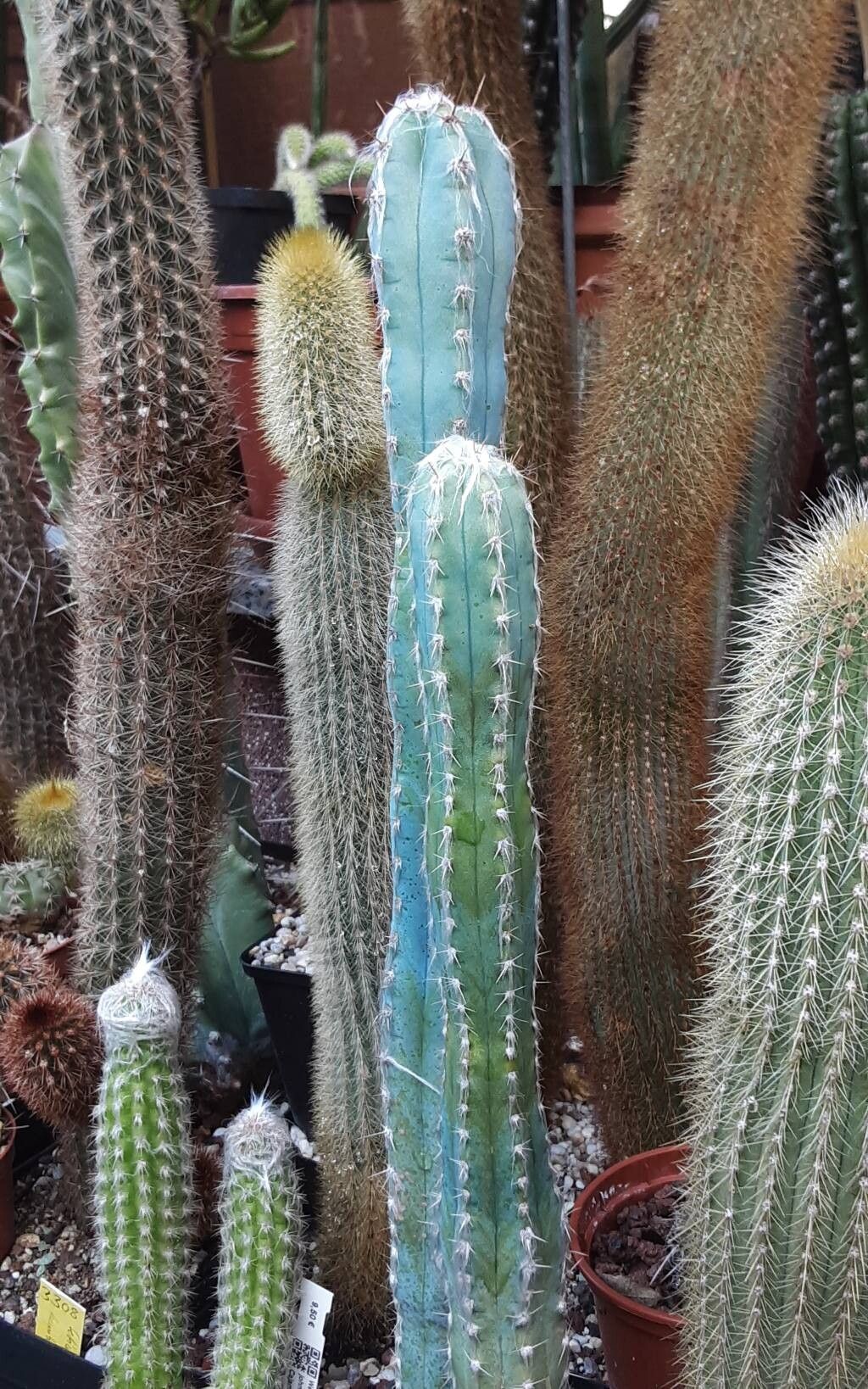
Oh, hello there! Come on in, let’s chat about one of my favorite fuzzy sensations in the succulent world: Pilosocereus lanuginosus. You know, the one with that stunning, woolly coating that makes it look like it’s just been wrapped in a soft, silver cloud? It’s a real showstopper, isn’t it?
Introduction: My Woolly Wonder Weed
There’s something incredibly satisfying about taking a piece of a mature plant and coaxing it to start its own life. With Pilosocereus lanuginosus, it’s doubly rewarding because you end up with more of that ethereal beauty to admire. Now, for beginners asking if this is an easy plant to propagate, I’d say it’s moderately easy. It’s not as foolproof as, say, a jade plant cutting, but with a little care and attention, you’ll be well on your way to success.
The Best Time to Start
For Pilosocereus lanuginosus, the sweet spot for propagation is undoubtedly late spring or early summer. This is when the plant is in its active growth phase, meaning it has the energy reserves to produce new roots and establish itself faster. Trying to propagate when the plant is dormant, typically in winter, will likely lead to slow or no results.
Supplies You’ll Need
Always have your tools ready! It makes the whole process so much smoother. Here’s what I always have on hand:
- Sharp, clean pruning shears or a knife: For making clean cuts. Sterilize them with rubbing alcohol between each use to prevent disease spread.
- Rooting hormone (optional but recommended): A powdered or liquid hormone can really give your cuttings a boost.
- Well-draining potting mix: A gritty cactus and succulent mix is perfect. You can also create your own by mixing equal parts perlite, coarse sand, and potting soil.
- Terracotta pots: These breathe well and help prevent waterlogged soil, which is crucial.
- Gravel or small pebbles: To cover the soil surface and help support the cutting.
- Spray bottle: For gentle misting.
- Cardboard or newspaper: To lay out your cuttings while they callus.
Propagation Methods: Making More Magic
The most reliable way to multiply your Pilosocereus lanuginosus is through stem cuttings. It’s straightforward and yields great results.
- Take the Cutting: Choose a healthy, mature stem. Using your sterilized pruner or knife, make a clean cut where the stem joins the main body of the plant, or take a section of the stem that’s at least 3-4 inches long. Try to get a bit of firm, woody stem, not just the very tip.
- Let it Callus: This is a critical step. Gently wipe off any soil or debris from the cut end. Place the cutting on a piece of newspaper or cardboard in a dry, well-ventilated spot away from direct sunlight. You want the cut end to dry out and form a callus, which is like a protective scab. This can take anywhere from a few days to a week, or even longer. Don’t rush this!
- Potting Up: Once a good callus has formed, it’s time to plant. You can lightly dip the callused end into rooting hormone, but it’s not mandatory. Fill your terracotta pot with your prepared well-draining mix. Create a small hole in the center with your finger.
- Planting: Insert the callused end of the cutting about an inch or two into the soil. You want it to be stable enough to stand on its own. You can gently firm the soil around it.
- Support and Wait: You can add a layer of gravel or small pebbles on top of the soil to help provide some extra support for the cutting. Then, the hardest part begins: waiting.
The “Secret Sauce”: My Insider Tips
I’ve learned a few tricks over the years that can really help your cuttings thrive:
- Bottom Heat is Your Friend: If you can, place your potted cuttings on a gentle heat mat. Just a little warmth from below can significantly speed up root development. Think of it as a cozy incubator for your new plants.
- Mist, Don’t Drench: Once planted, resist the urge to water immediately. Wait a few days, then lightly mist the soil surface and the base of the cutting every few days. You want the soil to be barely moist, not soggy. Overwatering at this stage is the quickest way to invite rot.
- Air Circulation is Key: Ensure the area where your cuttings are callusing and rooting has good air flow. This helps prevent fungal issues. A gentle fan on a low setting can be a lifesaver.
Aftercare & Troubleshooting: Nurturing the New Growth
Once you see signs of new growth––perhaps a tiny new shoot emerging, or the stem feels a bit “tacky” when you gently tug it (carefully!)––you know roots are forming!
- Introduce Water Gradually: After you’re confident roots are established, start watering more thoroughly, but still let the soil dry out completely between waterings.
- Find the Right Light: Move your new plant to a bright location, but avoid intense direct sunlight for the first few weeks. Gradually acclimate it to brighter conditions.
- Watch for Rot: The most common sign of failure is rot. If your cutting starts to look black and mushy, especially at the base or the cut end, it’s likely rotted. This is usually a sign of too much moisture and poor air circulation. Unfortunately, there’s no coming back from rot, so prevention is key. If you see a bit of rot on a otherwise healthy cutting, you can try to cut away the affected part and let the rest callus again, but success is not guaranteed.
A Encouraging Closing: Patience is a Virtue (and a Green Thumb!)
Propagating Pilosocereus lanuginosus is a journey of patience. There will be moments of doubt, but seeing those fuzzy stems start to plump up and eventually form new roots is incredibly rewarding. Don’t get discouraged if your first attempt isn’t perfect. Learn from it, adjust your approach, and keep trying. Happy propagating, and enjoy watching your woolly wonders multiply!
Resource: