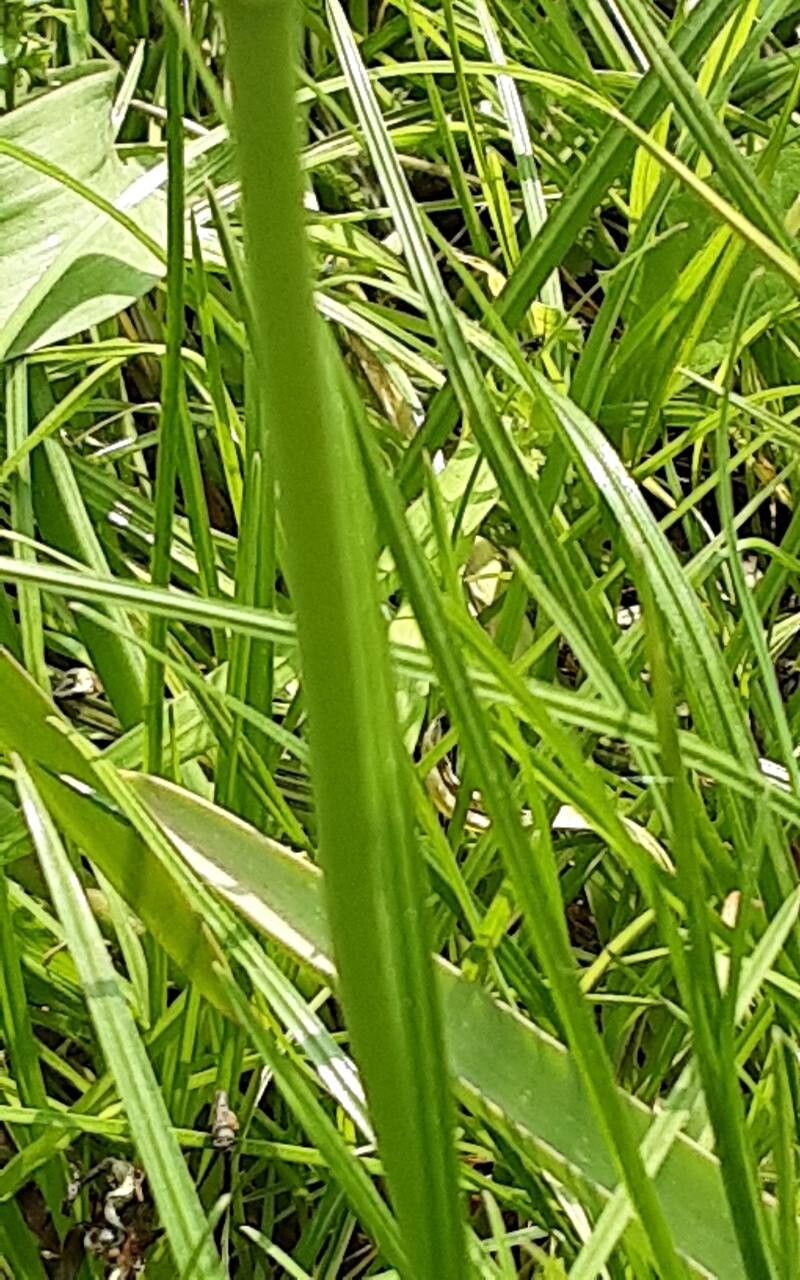
Oh, Phyteuma nigrum! Also known as the Black Rampion, it’s such a darling of the garden. Those deep, inky blue flower spikes are just captivating, aren’t they? They bring a touch of the dramatic and a lovely cool tone to borders, especially when the light hits them just right. Growing more of these beauties is a truly satisfying endeavor, letting you fill your garden or share with friends. Now, as for beginners, I’d say Phyteuma nigrum is moderately easy to propagate, meaning a little care and attention will get you a long way without too much fuss.
The Best Time to Start
For the highest chance of success, late spring or early summer is your golden window. This is when the plant is actively growing and has plenty of energy to invest in new roots. If you’re thinking about dividing, early spring, just as the soil starts to warm up, is also an excellent time. You’ll catch the plant waking up and ready to bounce back.
Supplies You’ll Need
Here’s a little gathering of what you’ll want to have on hand:
- Sharp, clean pruning shears or a sharp knife: For making clean cuts.
- Small pots or trays: With good drainage holes, of course.
- A well-draining potting mix: I like about a 50/50 blend of good quality potting soil and perlite or sharp sand. This is key to preventing soggy roots.
- Rooting hormone (optional but helpful): Especially for stem cuttings. I prefer the powder form.
- A small watering can or spray bottle: For gentle watering.
- Labels and a pen: Don’t forget to mark what you’ve potted!
- A plastic bag or propagator: To create a humid environment for cuttings.
Propagation Methods
Phyteuma nigrum is most often propagated by division, which is my favorite way to go. You can try stem cuttings too, but division is generally more straightforward for this particular plant.
Division
This is like giving your plant a little haircut and making babies at the same time!
- Carefully dig up the parent plant: In early spring or fall, gently loosen the soil around the base of your Phyteuma nigrum with a trowel or garden fork. Be careful not to damage the main root ball.
- Gently shake off excess soil: You want to be able to see the individual crowns of the plant.
- Separate the crowns: Look for healthy clumps or divisions that have their own root system. You can usually pull these apart gently with your hands. If they’re stubborn, use your clean knife or shears to cut through any matted roots. Make sure each division has at least one healthy bud or growing point.
- Replant the divisions: Immediately pot up your new divisions into pots filled with your prepared potting mix. Water gently.
Stem Cuttings (A Bit More Fiddly)
If you want to try cuttings, here’s how I’d approach it:
- Take cuttings in late spring/early summer: Look for healthy, non-flowering shoots.
- Make your cuts: Using your sharp shears, take cuttings about 3-4 inches long. Make the cut just below a leaf node.
- Prepare the cuttings: Gently remove the lower leaves, leaving just a couple at the top. If you’re using rooting hormone, dip the cut end into it now.
- Pot them up: Insert the cuttings into small pots filled with your well-draining mix.
- Provide humidity: Water gently and cover the pots with a plastic bag or place them in a propagator.
The “Secret Sauce” (Pro Tips)
Here are a few little tricks I’ve picked up over the years:
- For divisions, always check for healthy roots: Don’t be tempted by a crown that looks a bit sad. Focus on those with a good network of fine roots.
- If you’re doing stem cuttings, avoid flowers: Any energy the cutting puts into flowering is energy it isn’t putting into making roots. Pinch off any flower buds that appear.
- Don’t overwater initial cuttings: This is the most common mistake. The cuttings have no roots to absorb water, so they can easily rot if the soil stays too wet. Let the surface of the soil dry out slightly between waterings.
Aftercare & Troubleshooting
Once your divisions or cuttings have started to root, which you’ll see with new leaf growth, it’s time to give them a little extra care.
- Gradually acclimate cuttings: If you’ve used a propagator, start to open it up a little each day to get them used to drier air.
- Water consistently but not excessively: Keep the soil evenly moist, not waterlogged.
- Wait to transplant: Don’t rush to move them into larger pots or the garden. Let them establish a good root system first. You’ll know they’re ready when they’re putting on noticeable new growth.
- Watch out for rot: The biggest enemy is damp, stagnant conditions. If you see mushy stems or leaves turning black and falling off, it’s likely rot. Remove affected parts immediately and ensure better air circulation and less water. It’s a bummer, but compost is nature’s recycling program!
A Encouraging Closing
Propagating Phyteuma nigrum is a journey, and like all garden adventures, it requires a touch of patience and a lot of love. Don’t get discouraged if not every attempt is a roaring success. Each plant you grow from your own efforts is a little triumph, a testament to your green-thumb skills. So, get your hands in the soil, follow these steps, and enjoy the magical process of bringing more of these enchanting blooms into your world! Happy gardening!
Resource:
https://identify.plantnet.org/k-world-flora/species/Phyteuma%20nigrum%20F.W.Schmidt/data