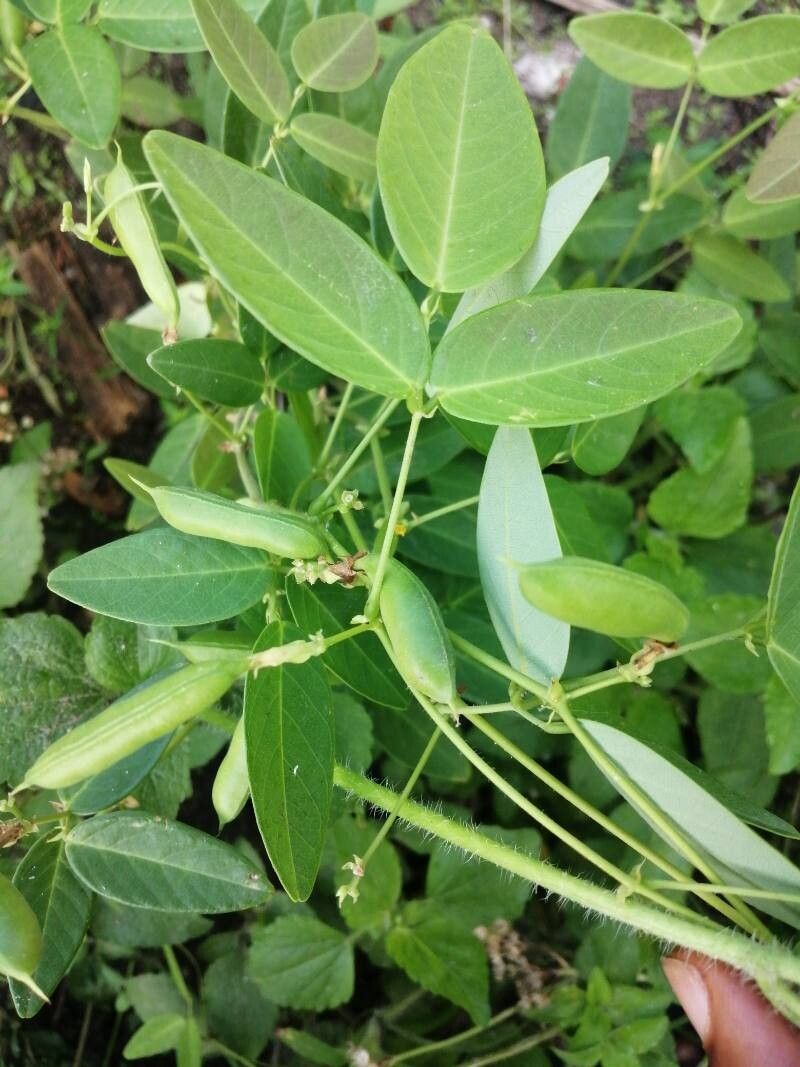
Ah, Clitoria falcata! Isn’t she a beauty? With those delicate, pea-like flowers, often a vibrant blue or purple, and that lovely vine-like growth, it’s no wonder this plant captures our hearts. Growing more of them feels like sharing a little bit of garden magic. And guess what? While I wouldn’t call it a completely “set it and forget it” process, propagating Clitoria falcata is definitely achievable, even for those just starting their gardening journey. It’s a wonderfully rewarding way to expand your collection, or even share these beauties with friends.
The Best Time to Start
Timing is everything, right? For Clitoria falcata, the sweet spot for propagation is usually in late spring or early summer. You want to catch the plant in its active growing phase. Think of it as trying to catch a good idea – when the energy is high, things tend to take root more easily. You’re looking for healthy, new growth, not old, woody stems.
Supplies You’ll Need
Grab your gardening apron! To get started, you’ll want to have these bits and bobs ready:
- Sharp Pruning Shears or a Clean Knife: For clean cuts that heal well.
- Rooting Hormone: This isn’t strictly essential for Clitoria falcata, but it can give your cuttings a nice little boost. Look for a powder or gel.
- Well-Draining Potting Mix: A good quality seed-starting mix or a blend of peat moss and perlite works wonders.
- Small Pots or Seedling Trays: Clean ones, of course!
- Clear Plastic Bags or a Propagator Lid: To create a humid environment for your cuttings.
- Watering Can with a Fine Rose: To water gently without disturbing things.
- Optional: Bottom Heat Mat: If you’re propagating in a cooler spot, this can really speed things up.
Propagation Methods
Let’s get our hands dirty! The most common and effective way to propagate Clitoria falcata is through stem cuttings.
- Select Your Cuttings: On a healthy, actively growing Clitoria falcata vine, look for stems that are not too woody but have some firmness. You want pieces that are about 4-6 inches long. Make your cut just below a leaf node – that little bump on the stem where leaves emerge. This is where those magical rooting cells hang out.
- Prepare the Cuttings: Gently remove the lower leaves from your cuttings. You want to leave just a couple of leaves at the very top. This helps the cutting focus its energy on root development, not on supporting too many leaves. If your leaves are quite large, you can even cut them in half horizontally to reduce water loss.
- Apply Rooting Hormone (Optional): Dip the cut end of the stem into your rooting hormone, tapping off any excess. This creates a little protective layer and encourages root growth.
- Plant Your Cuttings: Fill your clean pots with your well-draining potting mix. Make a small hole with your finger or a pencil, and gently insert the cutting. Make sure at least one leaf node is buried in the soil. Gently firm the soil around the cutting to ensure good contact.
- Water and Cover: Water your cuttings gently. Then, pop them into a clear plastic bag or cover the pot with a propagator lid. This creates a mini-greenhouse, retaining precious humidity.
The “Secret Sauce” (Pro Tips)
Here are a few little tricks I’ve picked up over the years that can make a big difference:
- Don’t Crowd Your Cuttings: Give each cutting a bit of breathing room. Overcrowding can lead to poor air circulation and increase the risk of fungal issues.
- Bottom Heat is Your Friend: If you have the space, placing your pots on a gentle bottom heat mat can significantly speed up root development. It mimics the warmth of spring soil and provides that extra encouragement.
- Cleanliness is Key: I can’t stress this enough! Always work with clean tools and clean pots. Any lingering pathogens can quickly turn your hopeful cuttings into a mushy mess.
Aftercare & Troubleshooting
Once your cuttings are planted and cozy in their humid little homes, the waiting game begins. Keep the soil consistently moist but not waterlogged. You want it to feel like a wrung-out sponge. Place them in a bright spot with indirect sunlight. Direct sun can scorch those tender new shoots.
You’ll know your cuttings are taking off when you see new leaves unfurling or a gentle tug on the cutting meets resistance – that’s a sign of roots! Once they have a good root system, you can gradually acclimate them to drier air by opening the plastic bag a little more each day. Then, it’s time to pot them into their own small containers.
Now, what if things go wrong? The most common culprit is rot. If your cutting starts to look limp, mushy, or develops dark spots, it’s likely too wet or there’s a fungal issue. Unfortunately, these are usually best discarded to prevent spreading. Lack of roots can sometimes be down to the age of the cutting, not enough humidity, or simply impatience. Don’t be discouraged if a few don’t make it; it’s all part of the learning process!
A Encouraging Closing
Propagating Clitoria falcata is a journey, not a race. Be patient with your little cuttings, observe them closely, and learn from each one. The joy of watching a new plant sprout from a tiny piece of stem is truly one of gardening’s greatest rewards. Happy propagating, my friends!
Resource:
https://identify.plantnet.org/k-world-flora/species/Clitoria%20falcata%20Lam./data