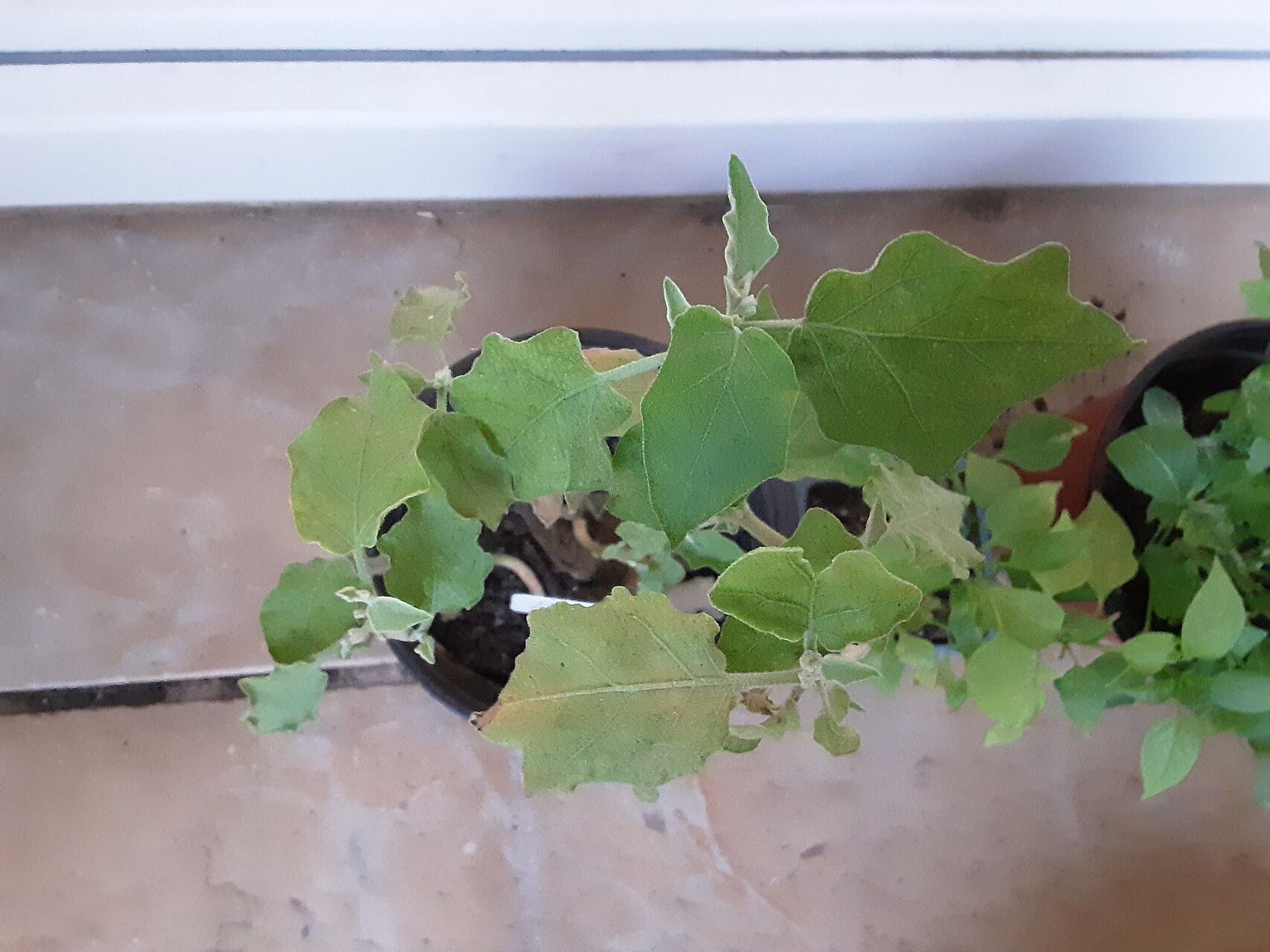
Hello there, fellow plant lovers! Today, I want to talk about a plant that truly brings a smile to my face: Physalis mollis. If you’ve ever admired those charming, lantern-like fruits, you know exactly what I mean. This delightful ground cherry is a joy to grow, and the reward of bringing more of these beauties into your garden from your own efforts is incredibly satisfying. For those of you just dipping your toes into the world of plant propagation, I’m happy to say that Physalis mollis is quite forgiving. You’ll likely find it a rather enjoyable beginner project!
The Best Time to Start
My sweet spot for propagating Physalis mollis is in the late spring or early summer. This is when the plant is actively growing and has plenty of energy to put into developing new roots. Starting after the last frost, when the days are getting warmer and longer, gives your cuttings or divisions the best chance to flourish.
Supplies You’ll Need
To get started, you’ll want a few things handy:
- Sharp pruning shears or a clean knife: For making clean cuts.
- Potting mix: A well-draining blend is crucial. I often use a mix of equal parts peat moss, perlite, and compost.
- Small pots or trays: These don’t need to be fancy, just something to hold your cuttings.
- Plastic bags or a propagation dome: To create a humid environment.
- Rooting hormone (optional but recommended): This can give your cuttings an extra boost.
- Watering can with a fine rose: For gentle watering.
Propagation Methods
Let’s get our hands dirty with the two main ways I like to multiply my Physalis mollis:
Stem Cuttings
This is my go-to method for Physalis mollis. Here’s how I do it:
- Take Cuttings: From a healthy, established plant, select softwood or semi-hardwood stems that are about 4-6 inches long. Look for stems that are actively growing but not yet woody. Use your sharp shears to make a clean cut just below a leaf node (where the leaf attaches to the stem).
- Prepare the Cuttings: Gently remove the lower leaves, leaving just a few at the top. If the leaves are very large, you can even cut them in half to reduce water loss. If you’re using rooting hormone, dip the cut end into it now, tapping off any excess.
- Plant the Cuttings: Fill your small pots with the moist potting mix. Make a small hole in the center with your finger and gently insert the cut end of the stem. Firm the soil around it to ensure good contact.
- Create Humidity: Water thoroughly but gently. Then, cover the pots with a plastic bag or place them inside a clear propagation dome. This traps moisture, creating a mini-greenhouse. Ensure the leaves don’t touch the inside of the bag if possible.
- Provide Light and Warmth: Place the pots in a bright location with indirect sunlight. Avoid direct sun, which can scorch the delicate cuttings.
Division
If you have an older clump that’s gotten a bit big for its britches, dividing it is another easy win.
- Excavate the Plant: In the spring (before new growth gets too vigorous), carefully dig up the entire plant or a section of it.
- Separate the Roots: Gently tease apart the root ball into smaller sections. You’re looking for sections that have both roots and some visible shoots or growth points.
- Replant: Trim off any damaged roots. Then, plant these divisions as you would a new seedling, into pots or directly into well-prepared garden beds. Water them in well.
The “Secret Sauce” (Pro Tips)
Here are a few nudges that often make all the difference:
- Bottom Heat is Your Friend: While not strictly necessary, placing your pots on a seedling heat mat can dramatically speed up root development. The warmth encourages the plant to put energy into growing roots.
- Mist, Don’t Drench: Resist the urge to overwater. Keep the soil consistently moist but never soggy. Misting the leaves once or twice a day (inside the humidity dome or bag) is often enough to keep things hydrated without risking rot.
- Air Circulation Matters: Even though we want humidity, a little bit of fresh air is important. Open the plastic bag or propagation dome for a few minutes each day to allow for air exchange. This helps prevent fungal issues.
Aftercare & Troubleshooting
Once you start to see new leaf growth appearing on your cuttings, it’s a great sign that roots are forming!
- Transition Gradually: Slowly acclimate your new plants to drier air by opening the humidity cover a little more each day over a week or so.
- Potting Up: When the roots have filled the small pots (you can check by gently tipping a pot over), it’s time to transplant them into slightly larger pots with fresh potting mix.
- Watch for Rot: The most common issue you’ll face is rot. If your cuttings turn black and mushy, it’s usually a sign of too much moisture and not enough air circulation. Unfortunately, if this happens, it’s best to discard the affected cutting and try again, paying close attention to watering and airflow.
Don’t get discouraged if your first few attempts aren’t perfect. Gardening is all about learning and observing. Be patient with your new Physalis mollis babies, give them a little TLC, and soon you’ll be enjoying the fruits of your labor – literally! Happy propagating!
Resource:
https://identify.plantnet.org/k-world-flora/species/Physalis%20mollis%20Nutt./data