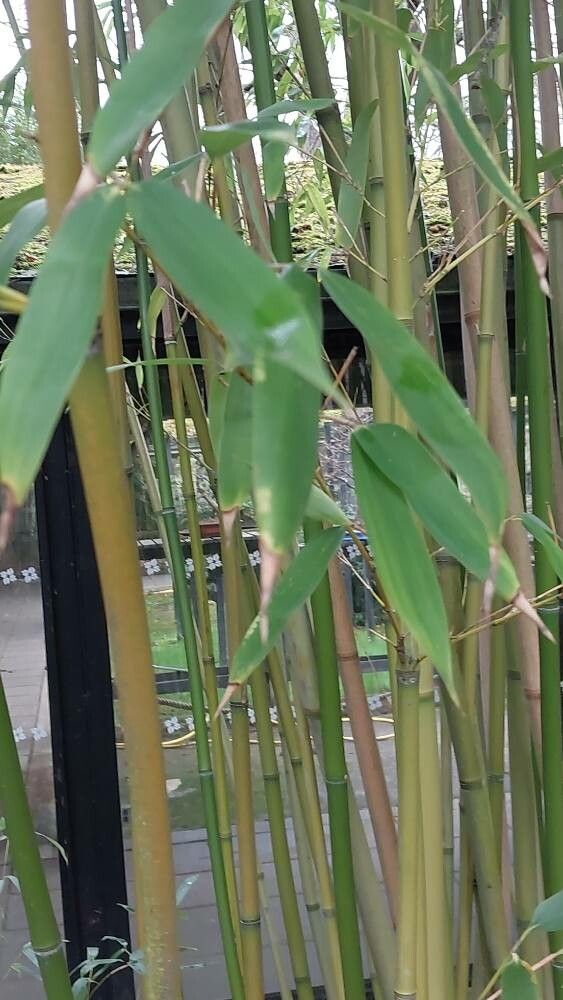
Oh, hello there! Grab a mug, let’s chat about bamboo. I’m so excited to talk about Phyllostachys flexuosa, also known as the Chinese-Golden Crookstem Bamboo. This one has such a delightful, arching growth habit, and its culms (those are the hollow stems, by the way!) often have a beautiful golden hue, especially in full sun. It brings a lovely, relaxed elegance to any garden space. And the best part? It’s surprisingly straightforward to multiply! For those of you just dipping your toes into propagation, I’d say Phyllostachys flexuosa is a wonderfully rewarding plant to start with. It’s not some finicky diva; it’s pretty forgiving.
The Best Time to Start
When is the magic window for propagating Phyllostachys flexuosa? Generally, the late spring or early summer is your golden ticket. Think May or June, when the plant is actively growing. You’re looking for healthy, vigorous shoots that are at least a year old. These have the best stored energy to get them going. Avoid very young, tender new shoots or older, woody culms that have seen better days.
Supplies You’ll Need
Here’s what you’ll want to have on hand for this adventure:
- Sharp Pruning Shears or a Saw: Clean cuts are crucial to prevent disease.
- Rooting Hormone (Optional but Recommended): A powder or gel can give your cuttings a real boost.
- Well-Draining Potting Mix: A mix of half perlite and half peat moss or coco coir works wonders. You can also use a specific seedling starting mix.
- Pots or Containers: Small pots or even a seed tray with good drainage holes.
- Clear Plastic Bag or Humidity Dome: To create a mini-greenhouse effect.
- Watering Can with a Fine Rose: Gentle watering is key.
- Gloves (if you’re sensitive to bamboo sap):
Propagation Methods
We’ll focus on the most reliable methods for this lovely bamboo.
Division
This is my go-to method for Phyllostachys flexuosa because it’s often the easiest and most successful.
- Excavate: Gently dig around the base of a mature bamboo clump. You want to expose the rhizomes (those thick, underground stems).
- Identify Divisions: Look for sections of the rhizome that have at least one healthy culm (or shoot) attached and some visible buds.
- Cut Apart: Using your sharp pruning shears or a small saw, carefully cut through the rhizome to separate your chosen division. Make sure each piece has enough roots attached to support the culm.
- Pot Up: Pot each division into its own container filled with your well-draining potting mix. Ensure the rhizome is just barely covered with soil.
- Water Gently: Water thoroughly, allowing excess water to drain away.
Stem Cuttings (Culm Cuttings)
This method is a bit more involved but can yield multiple new plants from a single culm.
- Select a Culm: Choose a healthy, one-to-two-year-old culm.
- Make Your Cuts: Using your sharp shears, cut the culm into sections, each about 6-12 inches long. Crucially, each cutting should have at least two nodes (those rings where branches or leaves emerge). Make your cuts about an inch above a node.
- Prepare the Cutting: Remove all but the top one or two leaves. If the leaves are very large, you can cut them in half to reduce water loss. Ensure there are no leaves touching the soil when you plant.
- Apply Rooting Hormone (Optional): Dip the cut end of the cutting into rooting hormone, tapping off any excess.
- Plant Your Cuttings: Insert the cuttings into your prepared potting mix, ensuring at least one node is buried below the soil surface. Angle them slightly if it helps.
- Create a Humid Environment: Water gently and then cover the pot with a clear plastic bag or a humidity dome. Make sure the plastic doesn’t touch the leaves too much.
The “Secret Sauce” (Pro Tips)
I’ve learned a few little tricks over the years that can really make a difference!
- Bottom Heat is a Game-Changer: For stem cuttings, placing your pots on a seedling heat mat can dramatically speed up root development. The warmth encourages those roots to form faster.
- Don’t Drench, Just Keep Moist: While your new divisions or cuttings are rooting, the goal is consistently moist, not soggy, soil. Soggy conditions are a one-way ticket to rot. Check the soil moisture regularly by gently poking your finger in.
- Patience with the Nodes: When dividing, don’t be discouraged if you don’t see immediate top growth. The plant is busy developing its root system first. The buds on the rhizome are the promise of new shoots to come later.
Aftercare & Troubleshooting
Once you see signs of a new plant – either new shoots emerging from the soil (division) or tiny root nubs if you gently pull on a cutting – it’s time to transition them.
- Gradual Acclimation: If you’ve been using a plastic bag, gradually remove it over a week or so to let the new plant adjust to normal humidity.
- Light and Water: Continue to keep the soil consistently moist and provide bright, indirect light. As the plant establishes, you can slowly introduce it to more sun.
- Watch for Rot: The most common pitfall is root rot, which often shows up as mushy, black roots or yellowing and wilting leaves that don’t seem to recover. If you see this, it’s usually due to overwatering. You may be able to salvage pieces if it’s caught early, but often, the damage is done.
A Little Encouragement
Seeing new life sprout from a piece of your own plant is one of the most rewarding feelings in gardening. Phyllostachys flexuosa is a generous plant, and with a little patience and care, you’ll be enjoying your own golden crookstems in no time. Don’t fret if your first attempt isn’t perfect; every gardener has their learning curve. Just enjoy the process and the wonderful connection you build with your plants. Happy propagating!
Resource: