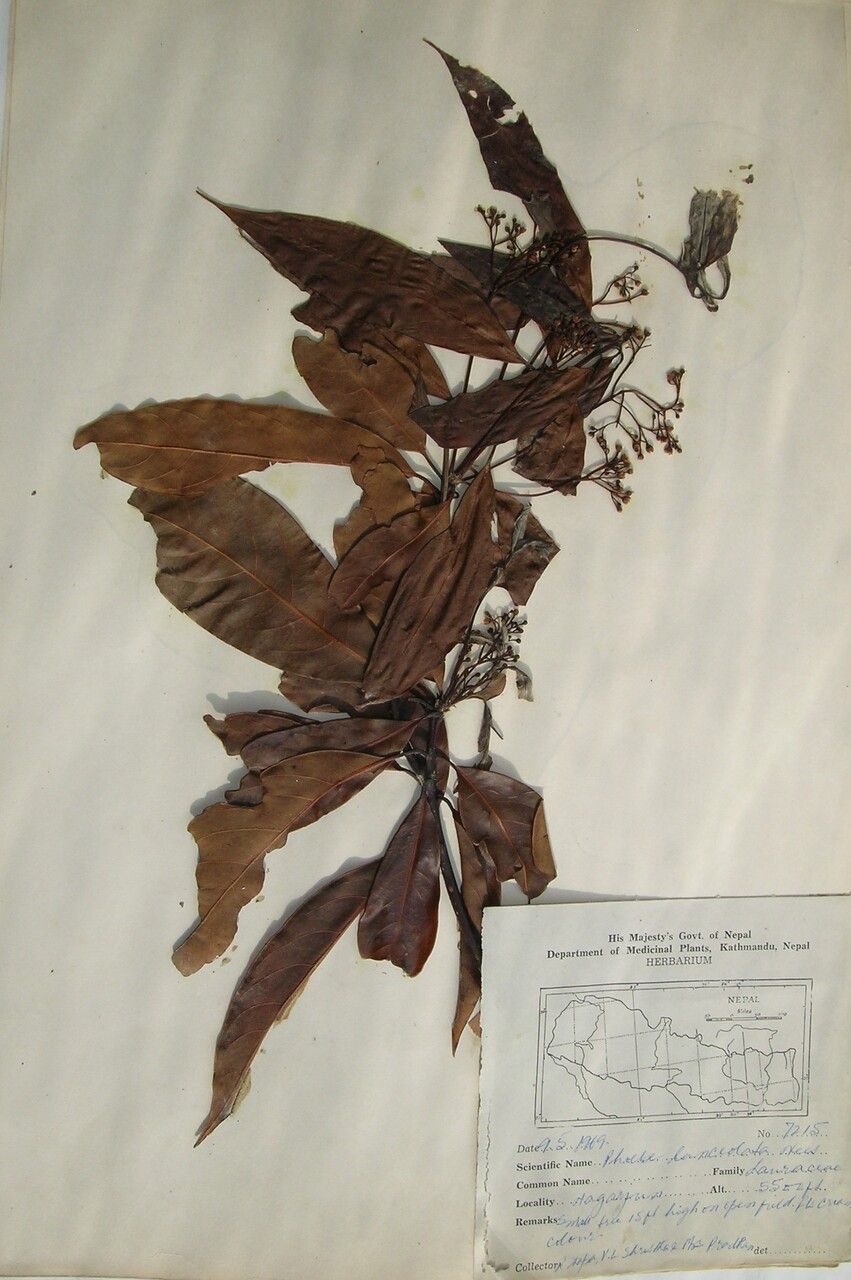
Oh, the Phoebe! Isn’t it a beauty? With its delicate, lance-shaped leaves and graceful habit, Phoebe lanceolata is a plant that truly speaks to my soul. Bringing one of these lovely specimens into your own garden or even just a new pot on your patio feels like such an accomplishment. Plus, the satisfaction of nurturing a brand-new plant from a tiny cutting or division? Pure gardening joy! Now, for beginners, I’d say Phoebe lanceolata falls into a comfortable “moderately easy” category. It’s not overly fussy, but you do need to pay a little attention to its needs.
The Best Time to Start
When it comes to giving your Phoebe cuttings the best chance, spring and early summer are your golden windows. This is when the plant is actively growing, full of vigor, and has plenty of healthy, pliable material to work with. Aim for cuttings taken from current year’s growth that has just started to firm up – not the super-soft, floppy new shoots, and definitely not the old, woody stems.
Supplies You’ll Need
Gathering your supplies before you begin will make the whole process smoother. Here’s what I usually have on hand:
- Sharp Pruning Shears or a Clean Knife: For making clean cuts, which is crucial for good rooting.
- Seed Starting Mix or a Well-Draining Potting Mix: I often mix in a bit of perlite or sharp sand to ensure excellent drainage.
- Small Pots or Seed Trays: Clean ones, of course!
- Rooting Hormone (Optional but Recommended): This really gives your cuttings a boost. Look for one that contains IBA.
- Plastic Bags or a Clear Plastic Dome: To create a humid environment for your cuttings.
- Watering Can with a Fine Rose: For gentle watering.
- Gardening Gloves: Always a good idea!
Propagation Methods
Let’s get our hands dirty! For Phoebe lanceolata, I’ve found the most success with stem cuttings.
Stem Cuttings:
- Take Your Cuttings: On a plant that’s actively growing, locate a healthy, semi-hardwood stem. Using your sharp shears, cut a piece that’s about 4-6 inches long. Make your cut just below a leaf node (where a leaf attaches to the stem).
- Prepare the Cuttings: Gently remove the lower leaves, leaving just the top two or three to help with photosynthesis. If the leaves are very large, you can even cut them in half horizontally. This reduces water loss.
- Apply Rooting Hormone: Dip the cut end of each stem into your rooting hormone, tapping off any excess.
- Planting: Fill your small pots or trays with your well-draining mix. Make a small hole with your finger or a pencil, and carefully insert the cutting. Firm the soil gently around the stem.
- Water Gently: Water thoroughly but gently until the soil is evenly moist.
- Create a Humid Environment: Drape a plastic bag over the pot, securing it loosely with a rubber band, or place the pot under a clear plastic dome. Make sure the leaves don’t touch the sides of the bag if possible, to prevent rot.
The “Secret Sauce” (Pro Tips)
Here are a couple of little tricks I’ve learned over the years that can really make a difference:
- Bottom Heat is Your Friend: If you have the option, placing your pots on a heat mat designed for seedlings can significantly speed up the rooting process. It mimics the warmth of spring soil and encourages root development.
- Don’t Be Afraid to Prune the Propagator: Sometimes, after a few weeks, you might see a cutting trying to put out flowers or new growth too soon. If this happens and you’re aiming for roots, you can pinch off the flower buds or new shoots. This encourages the plant to focus its energy on root formation instead.
Aftercare & Troubleshooting
Once your cuttings have taken, it’s time for a little extra TLC. You’ll know they’ve started to root when you see new leaf growth, or you can gently tug on the cutting and feel a bit of resistance.
- Acclimatize: Slowly gradually reduce the humidity over a week or so. This means opening the plastic bag a little wider each day, or lifting the dome for longer periods. This helps the new roots adjust to drier air.
- Watering: Continue to water when the top inch of soil feels dry. Avoid overwatering, as this is the quickest way to invite root rot.
- Transplanting: Once your new plant has a good root system and is actively growing, you can carefully transplant it into a slightly larger pot with fresh potting mix.
Troubleshooting: The most common issue you’ll encounter is rot. If you see your cutting turning black and mushy, that’s a sign of too much moisture and not enough air circulation. In this case, unfortunately, it’s usually best to discard it and start again, paying extra attention to drainage and humidity control.
Don’t get discouraged if your first few attempts aren’t perfect. Gardening is always a learning process, and each plant you try to propagate teaches you something new. Be patient, enjoy the little triumphs, and soon you’ll be surrounded by your own beautiful Phoebe lanceolata clones! Happy growing!
Resource:
https://identify.plantnet.org/k-world-flora/species/Phoebe%20lanceolata%20(Nees)%20Nees/data