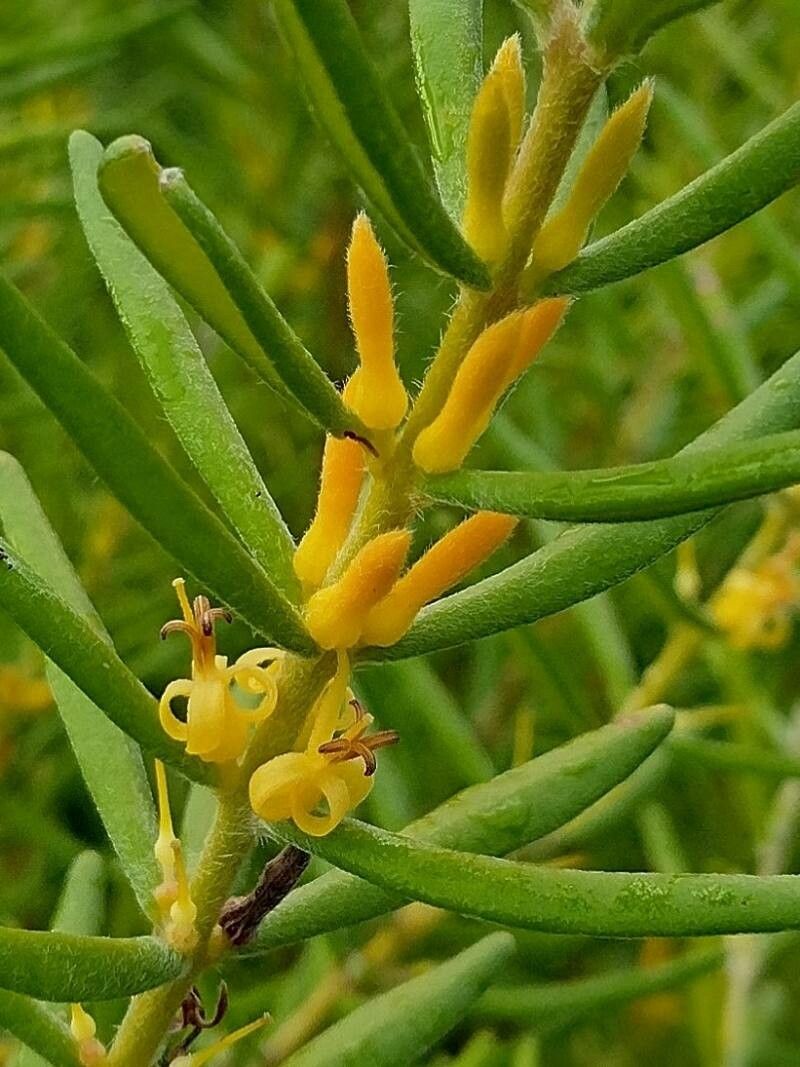
Oh, hello there! I’m so glad you dropped by. Today, we’re going to talk about a real gem of the Australian flora: Persoonia mollis, or as we often affectionately call them, Geebungs. They have these wonderful, often quite delicate, nodding flowers and their foliage can be just stunning. If you’ve ever admired a Persoonia mollis in a garden and thought, “I wish I had one of those!”, then propagating them yourself is a fantastic way to go. It’s incredibly rewarding to nurture a new life from a little piece of your existing plant. Now, I’ll be honest, Persoonia mollis can be a bit finicky to propagate, especially from cuttings. It’s not usually the first plant I’d recommend for absolute beginners, but with a little patience and the right approach, you can absolutely succeed.
The Best Time to Start
For the highest success rates, late spring to early summer is your window. This is when the plant is in active growth, which means it has plenty of energy to put into healing and rooting. Look for stems that are semi-hardened – they’re not brand new, bright green and floppy, but also not old and woody. These are often called “semi-ripe” cuttings.
Supplies You’ll Need
Gathering your tools beforehand makes the whole process smoother. Here’s what I usually have on hand:
- Sharp pruning shears or a clean, sharp knife: For making clean cuts.
- Potting mix: A very well-draining mix is crucial. I like to use a blend of coarse sand, perlite, and a good quality potting compost. Some growers even add a bit of fine gravel.
- Rooting hormone: While not always essential, it can significantly boost your success rates, especially with trickier plants.
- Small pots or seed trays: Clean ones, please!
- Plastic bags or a propagator lid: To create a humid environment.
- Watering can or spray bottle: For gentle watering.
- Labels: Don’t forget to label what you’ve planted and when!
Propagation Methods
While Persoonia mollis can be a little challenging, stem cuttings are generally our best bet for multiplying them.
Stem Cuttings:
- Take your cuttings: In late spring or early summer, select a healthy, semi-ripe stem from your Persoonia mollis. Using your clean shears, take a cutting that’s about 10-15 cm long. Make your cut just below a leaf node (where the leaf joins the stem).
- Prepare the cuttings: Gently remove the lower leaves from the cutting, leaving just a few at the top. This prevents them from rotting in the soil. If the leaves are quite large, you can even halve them horizontally to reduce water loss.
- Apply rooting hormone: Dip the cut end of the stem into water, then into your rooting hormone powder, tap off any excess.
- Pot them up: Fill your small pots or trays with your prepared, well-draining mix. Use a pencil or dibber to make a hole in the soil. Insert the cutting into the hole, making sure the base of the stem is in good contact with the soil. Gently firm the soil around the cutting.
- Water gently: Water the pots thoroughly but gently, making sure the soil is evenly moist but not waterlogged.
- Create humidity: Place the pots inside a plastic bag or cover them with a propagator lid. This mini-greenhouse effect is vital for preventing the cuttings from drying out before they can root. Position them in a bright spot, but out of direct sunlight.
The “Secret Sauce”
Here are a few things I’ve learned over the years that can really make a difference:
- Don’t let the leaves touch the soil: This is a big one for preventing rot. You might need to prop up the leaves or trim them a bit more. If you can arrange them so they arch upwards, that’s ideal.
- Bottom heat is your friend: If you have a heated propagator or can place your pots on a heat mat, it really encourages root development. A consistent soil temperature of around 20-24°C can work wonders.
- Patience is paramount: Persoonia mollis can be slow to root. Don’t be tempted to pull them up to check every week! I usually wait at least 4-6 weeks, sometimes longer, before I even think about gently tugging to see if there’s any resistance, which indicates root formation.
Aftercare & Troubleshooting
Once you see signs of new growth at the top of your cuttings, it’s a good indication that roots are forming below.
- Gradual acclimatization: Slowly start to introduce your newly rooted cuttings to less humid conditions. You can do this by opening the plastic bag a little each day, or lifting the propagator lid for longer periods.
- Potting on: Once they have a decent root system (you might see roots emerging from the drainage holes), you can carefully pot them into slightly larger individual pots. Continue to use that free-draining mix. Keep them in a protected spot, out of harsh sun and wind, while they establish.
- Watch out for rot: The biggest enemy here is overwatering and poor drainage. If your cuttings start to look limp, yellow, and then suddenly go mushy and black at the base, it’s usually a sign of rot. Unfortunately, once this happens, it’s very difficult to save them. Ensure good airflow and water only when the top inch of soil feels dry.
So, there you have it! Propagating Persoonia mollis might take a little more care than some other plants, but the satisfaction of seeing those little roots emerge and watching them grow into their own shrubs is absolutely worth it. Be patient, enjoy the small victories, and happy gardening!
Resource:
https://identify.plantnet.org/k-world-flora/species/Persoonia%20mollis%20R.Br./data