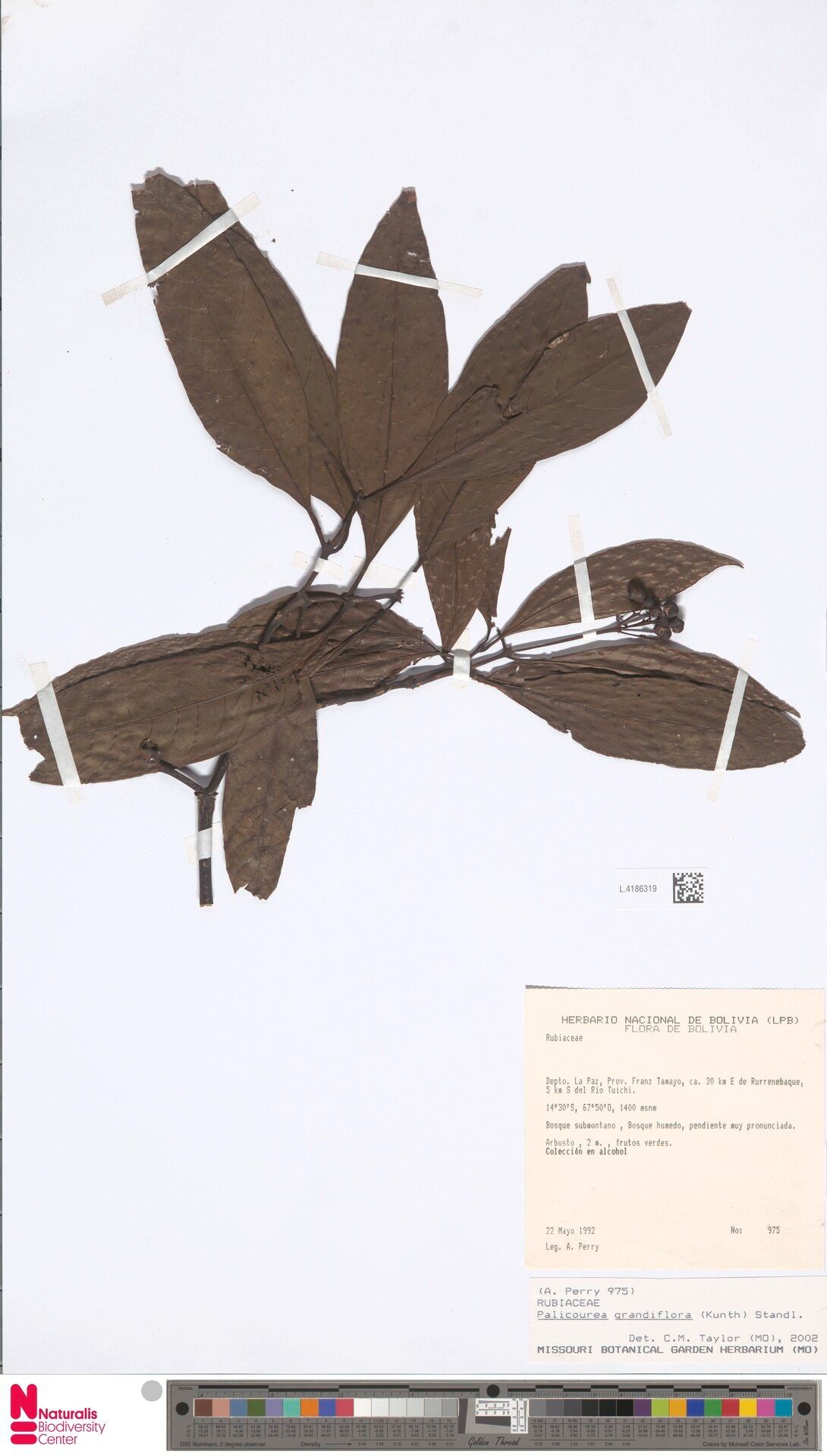
Oh, Palicourea grandiflora! If you’ve ever been lucky enough to see this beauty in bloom, you know why it captures our hearts. Its vibrant, often trumpet-shaped flowers are like little bursts of sunshine, and the glossy foliage is just gorgeous year-round. Having these beauties in your own garden feels like a special treat, and the best part? Propagating them is entirely doable! It’s not a total beginner’s plant, no, but with a little patience and care, you’ll be rewarded with new plants aplenty. Let’s get you started on this delightful journey.
The Best Time to Start
For Palicourea grandiflora, I find that spring is our golden window. This is when the plant is really waking up after its winter rest and gearing up for its most vigorous growth. Starting propagation in spring means your new cuttings will have the long, warm days of summer ahead of them to establish a strong root system. Look for stems that are actively growing but not yet flowering.
Supplies You’ll Need
Here’s what you’ll want to have on hand before you dive in:
- Sharp Pruning Shears or a Clean Knife: For making clean cuts that heal well.
- Rooting Hormone Powder or Gel: This is a lifesaver for encouraging root development.
- Well-Draining Potting Mix: A good blend of peat moss, perlite, and maybe some orchid bark works wonders. You want good air circulation for those delicate roots.
- Small Pots or Propagation Trays: Clean, with drainage holes, of course!
- Clear Plastic Bags or a Propagation Dome: To keep humidity high around your cuttings.
- Labels and a Permanent Marker: So you don’t forget what you planted where!
Propagation Methods
While other methods might exist, I’ve had the most consistent success with stem cuttings. It’s tried and true for many woody ornamentals, and Palicourea is no different.
- Select Your Cuttings: Choose healthy, non-flowering stems that are about 4-6 inches long. Look for growth that is currently soft and pliable, but not brand new and flimsy. Gently bend a stem; if it snaps, it’s good. If it just bends, it’s likely too soft.
- Make the Cut: Using your sharp pruning shears or knife, make a clean cut just below a leaf node (that little bump where a leaf attaches to the stem). This is where a lot of root-forming activity happens.
- Prepare the Cutting: Carefully strip off the lower leaves from the cutting, leaving only the top 2-3 leaves. This prevents leaves from rotting when they touch the soil or water. You can even cut the remaining leaves in half lengthwise if they are very large; this reduces water loss from the cutting.
- Apply Rooting Hormone: Dip the cut end of the stem into your rooting hormone, ensuring it’s thoroughly coated. Tap off any excess. This step really gives your cutting a good head start.
- Plant Your Cuttings: Fill your small pots or trays with your prepared, moistened potting mix. Make a little hole with your finger or a pencil and carefully insert the cut end of your cutting into the soil. Gently firm the soil around it.
- Create a Humid Environment: Water your pots gently to settle the soil. Then, cover the pots with a clear plastic bag, gently draping it over the top, or place them under a propagation dome. This creates a mini-greenhouse and keeps humidity levels high, which is crucial for preventing cuttings from drying out before they can root.
The “Secret Sauce” (Pro Tips)
Here are a couple of things I’ve learned over the years that can make a real difference:
- Bottom Heat is Your Friend: If you can, place your pots on a heat mat designed for seedlings. This gentle warmth encourages root development from below, signaling the plant to “get growing!” It really speeds things up and improves success rates, especially when the air temperature might be a bit cooler.
- Don’t Let Leaves Touch the Water (if you do try water propagation): While I primarily recommend soil, if you do decide to try rooting in water (which is trickier for Palicourea, in my experience, due to rot risk), make sure absolutely no leaves are submerged. Only the cut stem should be in the water. Submerged leaves will quickly rot and can infect the whole cutting.
Aftercare & Troubleshooting
Once roots have started to form (you might see them peeking out of the drainage holes, or you can gently tug on a cutting and feel resistance), it’s time to transition.
- Gradual Acclimation: Slowly reduce the humidity by opening the plastic bag or propagation dome a little each day over a week. This helps the new plant adjust to normal garden conditions.
- Light and Water: Place your new plants in a spot with bright, indirect light. Keep the soil consistently moist but not waterlogged.
- Watch for Rot: The biggest enemy here is overwatering and poor drainage. If your cutting turns black or mushy at the base, it’s likely rotted. If this happens, unfortunately, you’ll have to discard it and try again. Sometimes, a bit of wilting is normal as the plant adjusts, but a healthy cutting will perk up after a good watering.
A Little Encouragement
Growing plants from cuttings is one of those deeply satisfying gardening experiences. It connects you to the plant’s life cycle in a really profound way. Be patient with your Palicourea grandiflora cuttings. Not every single one will make it, and that’s perfectly okay! Celebrate the successes, learn from any setbacks, and enjoy the beautiful process of coaxing new life into being. Happy propagating!
Resource: