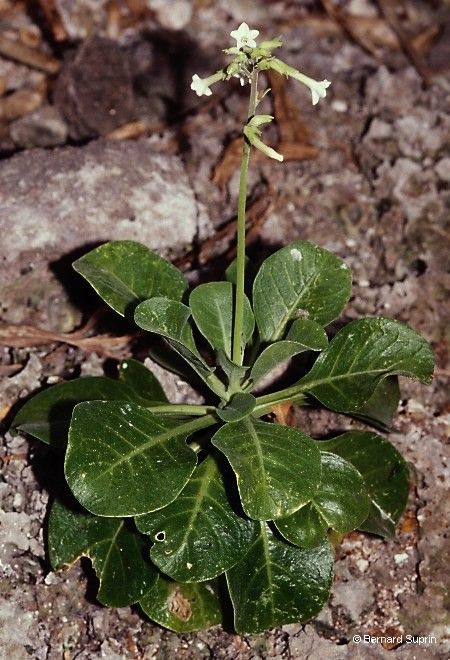
Hello fellow plant lovers! I’m so excited to chat with you today about a truly magical plant: Nicotiana fragrans, also known as the fragrant tobacco plant. If you’ve ever had the pleasure of being near one of these beauties on a warm evening, you know the intoxicating perfume they release. It’s nothing short of divine!
Propagating Nicotiana fragrans is one of my favorite ways to share that magic. Seeing a tiny cutting transform into a robust, fragrant plant is incredibly satisfying. Now, for beginners, I’d say Nicotiana fragrans is moderately easy. It’s not as foolproof as, say, a pothos cutting, but with a little attention, you’ll be rewarded with success.
The Time is Ripe: When to Propagate
The absolute best time to get your propagation on with Nicotiana fragrans is during its active growing season. Think late spring through mid-summer. This is when the plant has plenty of energy to put into developing new roots. You’re looking for healthy, vigorous stems that aren’t flowering or old and woody.
Your Propagation Toolkit
Before we dive in, let’s gather our essentials. Think of this as your propagation starter pack:
- Sharp, clean pruning shears or a sharp knife: Essential for making clean cuts.
- Rooting hormone (optional but recommended): Helps speed up root development. I like to use a powder type.
- Well-draining potting mix: A good blend of peat or coco coir, perlite, and a little bit of compost works wonders.
- Small pots or containers: Seed starting trays or 4-inch pots are perfect. Make sure they have drainage holes!
- Plastic bags or a propagator: To create a humid environment.
- Watering can or spray bottle: For gentle watering.
Bringing New Life: Propagation Methods
There are a couple of ways to go about this, but my go-to for Nicotiana fragrans is stem cuttings. It’s reliable and yields great results.
Stem Cuttings – My Top Choice:
- Select your cuttings: Look for healthy stems from your mature plant. You want pieces that are about 4-6 inches long. Make your cut just below a leaf node (where a leaf meets the stem).
- Prepare the cuttings: Gently remove the lower leaves, leaving just two or three at the top. This helps the cutting focus its energy on rooting, not leaf production.
- Apply rooting hormone (if using): Dip the cut end of the stem into your rooting hormone, tapping off any excess.
- Plant your cuttings: Fill your small pots with your prepared, moist potting mix. Make a small hole with your finger or a pencil, and insert the cutting. Firm the soil gently around the stem.
- Create a humid environment: Water the soil gently. Then, cover the pot with a clear plastic bag, or place it inside a propagator. Ensure the leaves don’t touch the plastic if possible – this can encourage rot.
- Find a bright spot: Place your pots in a location that receives bright, indirect light. Direct sun can scorch delicate cuttings.
The “Secret Sauce” for Success
Here are a few tricks I’ve learned over the years that can really boost your propagation success:
- Bottom Heat is Your Friend: Nicotiana fragrans loves a bit of warmth. If you have a heating mat designed for seedlings, place your pots on it. This gentle, consistent warmth from below encourages root development much faster than ambient room temperature alone.
- Be Patient with the Water: When watering, avoid getting water directly on the leaves of the cuttings. Moisture on the foliage can lead to fungal issues, which is the opposite of what we want! A gentle watering at the base or a light misting of the soil is best.
- Watch for the “Green Up”: Sometimes, a cutting might look a little sad initially. Don’t give up too soon! Keep it in its humid environment and wait a few weeks. A good sign of successful rooting is when you see new, tiny leaves starting to emerge or the overall plant looking a bit perkier and greener.
Nurturing Your New Sprouts: Aftercare
Once you start seeing signs of rooting – usually a gentle tug on the cutting will offer some resistance, or you’ll see new growth – your cutting is ready for a little more freedom. Gradually remove the plastic cover over a few days to acclimate it to normal humidity. Continue to keep the soil consistently moist, but not soggy.
The most common sign of failure is rot. If your cutting turns black and mushy at the base, it’s likely succumbed to fungal disease. This often happens due to overwatering, poor drainage, or lack of air circulation. If you see this, sadly, it’s best to discard the cutting and try again, making sure your watering and drainage are spot on.
Keep Growing, Keep Blooming!
Propagating Nicotiana fragrans is a journey, and like any good journey, it requires a bit of patience. Don’t be discouraged if your first attempt isn’t perfect. Each time you try, you’ll learn something new. Enjoy the process of nurturing these little pieces of magic, and soon you’ll have a garden filled with their intoxicating fragrance. Happy propagating!
Resource:
https://identify.plantnet.org/k-world-flora/species/Nicotiana%20fragrans%20Hook./data