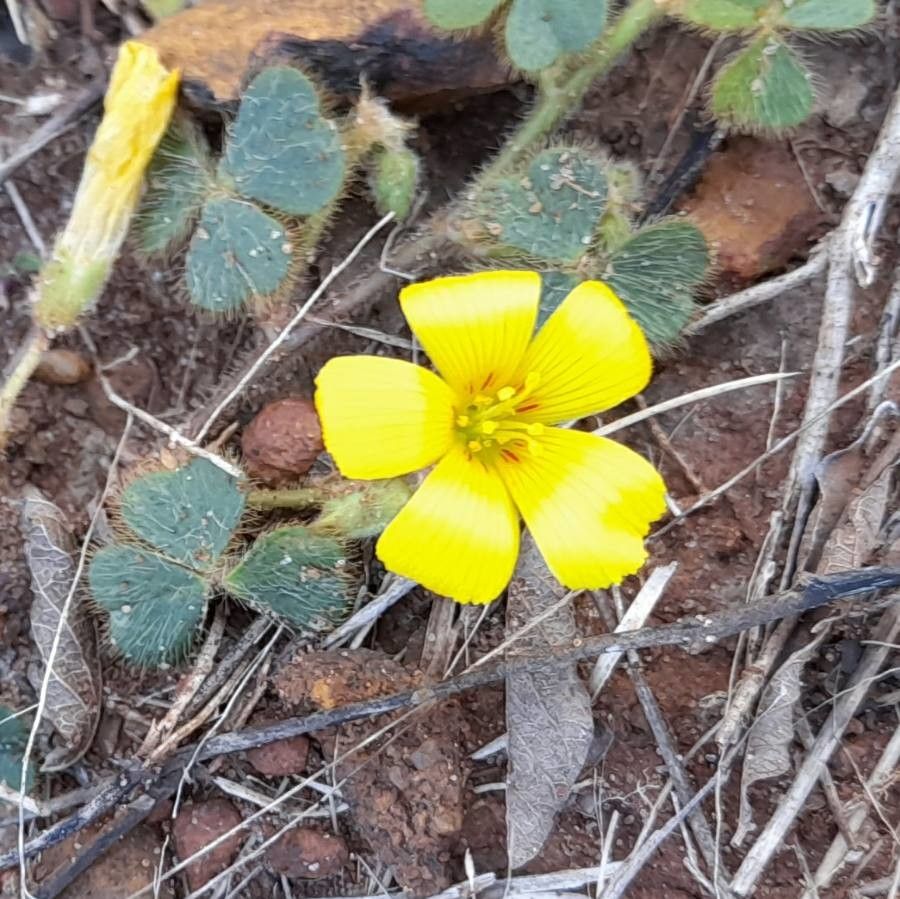
Hello fellow plant lovers!
Today, we’re going to dive into the wonderful world of propagating Oxalis lasiopetala, also known as fuzzy-petaled sorrel. If you happen to have this charming plant gracing your home or garden, you know how delightful its intricate, often fuzzy flowers are, and the way its leaves unfurl is just a joy to behold. And the best part? It’s surprisingly rewarding to create more of these beauties from your existing plant. Think of it as sharing the love! For beginners, I’d say Oxalis lasiopetala is moderately easy to propagate, making it a fantastic way to build your confidence and expand your collection without too much stress.
The Best Time to Start
Timing is everything in the garden, and for Oxalis lasiopetala, the sweet spot for propagation is during its active growing season. This typically happens in the spring and early summer, after the plant has finished its winter or early spring flowering cycle and is putting on plenty of new growth. You’ll see lots of fresh leaves and stems, which are full of energy and ready to put down roots.
Supplies You’ll Need
Gathering your tools before you begin will make the whole process much smoother. Here’s what I usually have on hand:
- Well-draining potting mix: A good all-purpose mix is fine, but I often add a bit of perlite or coarse sand to ensure excellent drainage. Oxalis hates soggy feet!
- Small pots or seed trays: Anything that can hold your cuttings and provides a cozy home. Cleanliness is key, so make sure they’re free of any old soil or debris.
- Sharp pruning shears or a clean knife: For making clean cuts. A dull tool can crush delicate stems.
- Rooting hormone (optional but helpful): This can give your cuttings a little boost. Look for a powder or gel.
- Watering can or spray bottle: For gentle watering.
- Clear plastic bag or propagator lid: To create a humid environment.
- Marker pen: To label your pots with the plant name and date.
Propagation Methods
For Oxalis lasiopetala, the most straightforward and successful methods are usually division and stem cuttings.
Division: The Simplest Route
Oxalis lasiopetala grows from rhizomes, which are essentially underground stems that can sprout new growth. Over time, these rhizomes multiply.
- Gently unpot your mature plant. Loosen the soil around the root ball.
- Locate the distinct sections of rhizomes. You’ll often see where one clump naturally separates from another.
- Carefully tease apart the rhizomes. You can use your fingers or a clean trowel. Aim to keep at least one or two healthy growth points (where leaves emerge) on each division.
- Pot each division into its own small pot. Use your well-draining potting mix.
- Water lightly. Just enough to settle the soil.
- Place in bright, indirect light and keep the soil consistently moist but not waterlogged. New growth should appear within a few weeks.
Stem Cuttings: Patience and Precision
This method is wonderful for increasing your plant numbers when you have a particularly vigorous specimen.
- Select healthy stems. Look for stems that are firm and have at least a couple of leaves. Avoid any that are floppy or show signs of stress.
- Make a clean cut just below a leaf node. A leaf node is where a leaf attaches to the stem. This is where roots are likely to form.
- Remove the lower leaves. This prevents them from rotting in the soil or water. Leave a couple of leaves at the top for photosynthesis.
- (Optional) Dip the cut end into rooting hormone. Tap off any excess.
- Insert the cutting into your prepared potting mix. Make sure the node is buried in the soil. You can insert a few cuttings into one pot if you have space.
- Water gently.
- Create a humid environment. Cover the pot with a clear plastic bag, securing it with a rubber band, or use a propagator lid. Make sure the leaves aren’t touching the sides of the bag.
- Place in bright, indirect light. Avoid direct sun, which can scorch the delicate cuttings.
The “Secret Sauce” (Pro Tips)
I’ve learned a few tricks over the years that really help boost success rates:
- Bottom Heat is Your Friend: Especially with stem cuttings, a little warmth from beneath can make a world of difference. A heated propagator mat or even just placing the pots on top of your refrigerator will encourage root development much faster.
- Don’t Drown Your Cuttings: This is crucial for both methods but particularly stem cuttings in soil. A common mistake is overwatering, which leads to rot. The goal is consistently moist, not wet. I often mist the inside of the plastic bag daily to maintain humidity without adding too much water to the soil.
- Watch for the “Pull Test”: After a few weeks, give a gentle tug on a stem cutting. If you feel resistance, you know roots have formed. No resistance? Give it more time.
Aftercare & Troubleshooting
Once your Oxalis lasiopetala cuttings or divisions show signs of new growth – a new leaf unfurling or increased vigor – they’re officially on their way!
- Gradually Acclimate: If you used a plastic bag, start by removing it for a few hours a day, then permanently. This helps them adjust to your home’s humidity.
- Continue Regular Watering and Light: Keep the soil consistently moist and in bright, indirect light. As they grow, you can gradually move them to slightly more direct sun if your plant prefers it.
- Signs of Trouble: The most common issue is rot, which usually signals overwatering. If you see black, mushy stems or leaves, it’s often a sign that the environment is too wet. You might be able to save cuttings by taking new ones from healthier parts of the plant and ensuring better drainage and less water. Fungal gnats can also be a sign of perpetually damp soil.
A Little Patience Goes a Long Way
Propagating plants is a wonderful journey of observation and care. Don’t be discouraged if not every single cutting takes. Nature has its own pace! Enjoy the process of nurturing these new little plants, and before you know it, you’ll have a whole garden (or windowsill!) full of fuzzy sorrel. Happy propagating!
Resource:
https://identify.plantnet.org/k-world-flora/species/Oxalis%20lasiopetala%20Zucc./data