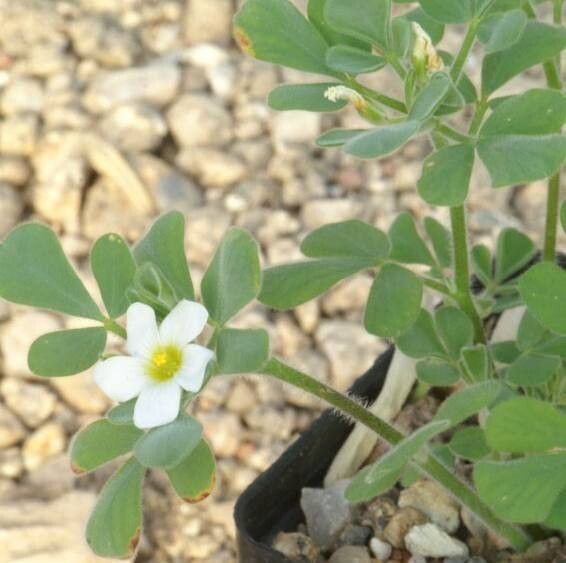
Hello fellow plant lovers! If you’ve ever admired the cheerful, clover-like foliage and delicate blooms of Oxalis flava, you’re in for a treat. This little gem is surprisingly easy to propagate, making it a fantastic project for both seasoned gardeners and those just dipping their toes into the wonderful world of plant family expansion. There’s something truly magical about taking a piece of a plant you love and nurturing it into its own thriving life. It’s a rewarding journey, and Oxalis flava is a wonderfully forgiving companion on that path.
When to Get Growing
For Oxalis flava, the sweet spot for propagation is typically during its active growing season. Think spring and early summer. This is when the plant has plenty of energy to put into developing new roots. Overly stressed or dormant plants are less likely to respond well, so aim for when your established Oxalis is looking vibrant and healthy.
What You’ll Need
Gathering your supplies beforehand always makes the process smoother. Here’s what I usually have on hand:
- Clean potting mix: A well-draining blend is crucial. I like a mix of potting soil with perlite and a bit of coco coir.
- Sharp pruning shears or a clean knife: For taking neat cuts.
- Small pots or trays: With drainage holes, of course!
- Clear plastic bags or a propagation dome: To create a humid environment.
- Watering can with a fine rose: For gentle watering.
- Rooting hormone (optional but helpful): A powder or gel can give cuttings a boost.
- Gravel or small stones (optional): For the bottom of pots in water propagation.
Giving it a Go: Propagation Methods
Oxalis flava is quite versatile, and I’ve had success with a couple of common methods:
1. Stem Cuttings: This is my go-to. It’s efficient and gives you a good chance of success.
- First, find a healthy, non-flowering stem on your mature plant.
- Using your clean shears or knife, take a cutting about 3-4 inches long. Try to include at least one leaf node (where a leaf attaches to the stem).
- Gently remove the lower leaves, leaving perhaps two at the very top.
- If you’re using rooting hormone, dip the cut end into the powder or gel.
- Fill your small pots with your prepared potting mix. Make a small hole with your finger or a pencil.
- Carefully insert the cut end of the stem into the hole, ensuring the leaf node is below the soil surface. Gently firm the soil around it.
- Water thoroughly but gently to settle the soil.
- Cover the pot with a clear plastic bag or place it under a propagation dome. This keeps the humidity high, which is vital for cuttings.
- Place the pot in a bright spot, but out of direct sunlight.
2. Division: If your Oxalis has become a bit crowded, dividing is a natural and effective way to propagate.
- Gently remove the entire plant from its pot.
- Carefully tease apart the root ball. You’re looking to separate clumps of stems and their attached roots. Don’t be afraid to gently break it apart with your fingers.
- Each division should have a decent amount of roots and a few stems.
- Pot up each division into its own small pot filled with fresh, well-draining soil.
- Water well and treat them as you would a newly repotted plant.
The “Secret Sauce” (My Insider Tips!)
Over the years, I’ve learned a few tricks that seem to make a difference:
- Patience is key with cuttings! Don’t despair if you don’t see immediate root development. It can take several weeks. Resist the urge to constantly tug at them to check. You can sometimes tell by a slight resistance or even a tiny leaf unfurling.
- For stem cuttings, ensure the leaves aren’t touching the soil directly. This can encourage rot. If your cutting is long, you might need to trim the remaining leaves a bit to prevent this.
- A little bottom heat can really speed things up, especially if your home is on the cooler side. A heating mat designed for seedlings can work wonders for cuttings.
Aftercare and What to Watch For
Once your cuttings or divisions are settled, treat them gently. Keep the soil consistently moist but not waterlogged. Like a baby plant, they need a bit of extra pampering.
Unfortunately, not every propagation is a guaranteed success. The most common culprit is rot. If you see your cutting turning mushy, black, or falling apart, it’s likely due to too much moisture and not enough air circulation. In this case, unfortunately, it’s usually best to discard it and try again. If a division seems to be struggling, ensure it has good drainage and is not sitting in soggy soil.
Happy Growing Ahead!
Propagating Oxalis flava is truly a delight. It’s a simple process that rewards you with new plants to share or simply to enjoy in your own collection. Don’t get discouraged if your first attempt isn’t perfect; gardening is all about learning and trying again. Be patient, enjoy the process, and soon you’ll have a little Oxalis army blooming beautifully!
Resource:
https://identify.plantnet.org/k-world-flora/species/Oxalis%20flava%20L./data