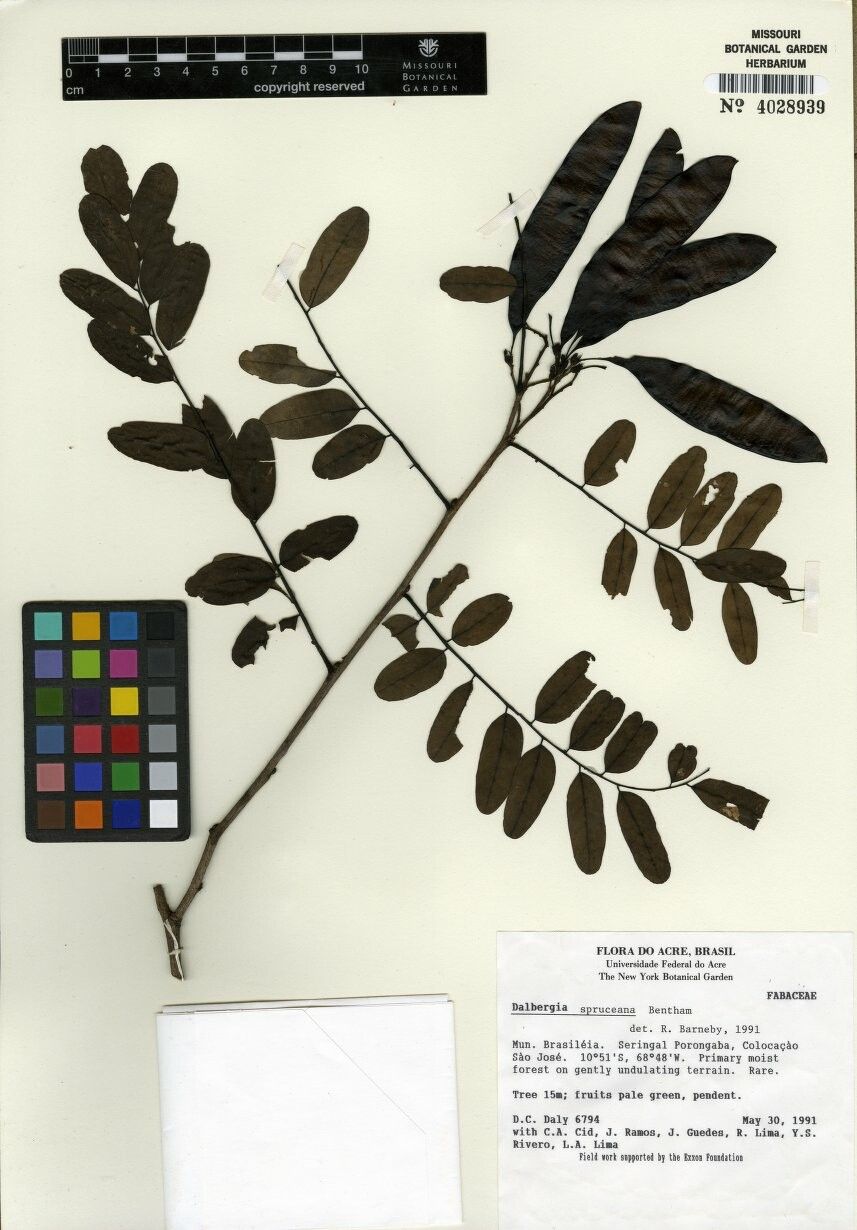
Oh, hello there! Grab a mug, let’s chat about Dalbergia spruceana. You know, that gorgeous rosewood relative with the exquisite foliage and the promise of something really special in your garden. I’ve been growing and propagating these beauties for years, and let me tell you, watching a new plant emerge from a tiny cutting is one of the most satisfying feelings in the gardening world. It’s like unlocking a little bit of nature’s magic. Now, are they a walk in the park for absolute beginners? Honestly, a little bit of experience helps, but with a few key pointers, you’ll be well on your way. Don’t let that intimidate you!
The Best Time to Start
For Dalbergia spruceana, the absolute sweet spot is late spring or early summer. This is when the plant is in its most vigorous growth phase. You want to be working with what we call “semi-hardwood” cuttings. This means the stem is no longer brand new and soft, but it hasn’t completely hardened off and become woody either. Think of it as being firm but still a little pliable. That’s the stage where it’s most eager to root.
Supplies You’ll Need
Gathering your tools beforehand makes the whole process smoother, doesn’t it? Here’s what I always have on hand:
- Sharp, clean pruning shears or a sharp knife: This is crucial for making clean cuts to prevent disease.
- Rooting hormone: A powder or gel specifically designed for stem cuttings. It really does give them a helpful boost.
- Potting mix: A well-draining mix is non-negotiable. I like a blend of perlite, peat moss (or coco coir for a more sustainable option), and a bit of coarse sand. Roughly a 1:1:1 ratio usually works wonders for me.
- Small pots or propagation trays: Cleanliness is key here too!
- Plastic bags or a clear plastic dome: To create a humid environment for your cuttings.
- Watering can or spray bottle: Gentle watering is essential.
- Labels and a permanent marker: So you don’t forget what you planted!
Propagation Methods
While there are a few ways to go, I find stem cuttings to be the most reliable and rewarding for Dalbergia spruceana.
Taking Stem Cuttings:
- Select your parent plant: Make sure your Dalbergia spruceana is healthy and actively growing.
- Choose your stems: Look for new growth that is semi-hardwood. You’re aiming for cuttings that are about 4-6 inches long.
- Make the cut: Using your sharp pruning shears, make a clean cut just below a leaf node (where a leaf attaches to the stem). This is where a lot of rooting hormones and new root development happens.
- Prepare the cuttings: Gently remove the lower leaves from your cutting, leaving just a few leaves at the top. If the remaining leaves are very large, you can even trim them in half to reduce water loss.
- Apply rooting hormone: Dip the cut end of the stem into your rooting hormone, tapping off any excess.
- Plant your cuttings: Fill your pots or trays with your well-draining potting mix. Make a small hole with your finger or a pencil and insert the treated end of the cutting. Gently firm the soil around the stem.
- Water gently: Water the soil thoroughly but very gently. You don’t want to dislodge the cuttings.
Water Propagation (with a caveat!):
You can try placing cuttings in water, but I find it a bit trickier for Dalbergia spruceana. If you do, ensure no leaves are submerged. This is a big one, as submerged leaves will rot, and that’s a sure way to kill your cutting. Roots that form in water can also be more fragile and might struggle to adapt to soil. I reserve this for plants I’m more familiar with.
The “Secret Sauce” (Pro Tips)
After years of trial and error, I’ve picked up a few tricks that make a real difference:
- Bottom Heat is Your Friend: If you can, place your pots on a propagation mat or a warm windowsill. This gentle warmth from below encourages root development like nothing else. It tricks the plant into thinking it’s time to sprout roots!
- The Humidity Tent: Those plastic bags or domes aren’t just for show. They are vital for creating a mini-greenhouse effect. Mist the inside of the bag or dome occasionally to keep humidity high, but open it up for an hour or so each day to allow for air circulation and prevent fungal issues.
- Patience with the Potting Mix: Resist the urge to overwater! That well-draining mix is designed to let excess moisture escape. Allowing the top inch of soil to dry out slightly between waterings is usually the sweet spot.
Aftercare & Troubleshooting
Once you see signs of new growth – tiny leaves unfurling or a bit of vigor returning – you know roots are forming!
- Gradual Acclimatization: Don’t yank that plastic bag off immediately! Slowly introduce your new plant to drier air over a week or two by opening the dome or bag for longer periods each day.
- Continue Gentle Watering: Keep the soil consistently moist but not soggy.
- Watch for Signs of Trouble: The biggest culprit for propagating failures is rot. If your cutting turns black and mushy, or if you see mold developing on the soil, it’s a sign of too much moisture and not enough air circulation. Unfortunately, once rot sets in, it’s usually game over. Don’t beat yourself up; learn from it. Another sign is a cutting that just shrivels up and looks completely limp; this can mean it’s not getting enough humidity or isn’t taking up water.
A Little Encouragement
Seeing a Dalbergia spruceana cutting flourish is a joy. It takes a bit of patience and a watchful eye, but the rewards are so worth it. Don’t be discouraged if your first few attempts aren’t perfect. Every gardener has had those moments! Just keep tending them with care, and soon you’ll have brand new, flourishing plants to enjoy. Happy propagating!
Resource:
https://identify.plantnet.org/k-world-flora/species/Dalbergia%20spruceana%20Benth./data