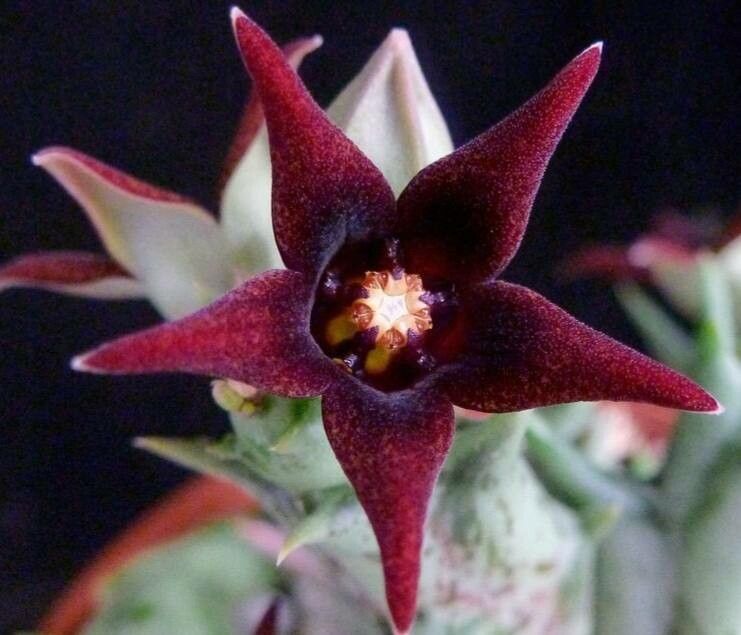
Hey there, fellow plant lovers! Today, I want to chat about a real gem from the desert plains: Orbea semitubiflora. If you’re drawn to succulents with a bit of quirky charm, this one’s for you. Its star-shaped, velvety flowers are a welcome sight, especially considering they can bloom for quite a while. Propagating them is, I’ll be honest, not the absolute easiest for a complete newbie, but with a little care and attention, it’s absolutely achievable and incredibly rewarding to watch a new life spring from your efforts.
The Best Time to Start
For Orbea semitubiflora, my go-to time for propagation is spring or early summer. This is when the plant is actively growing and has the most energy to dedicate to developing new roots. You’ll want to take cuttings from a healthy, mature stem that isn’t flowering or producing seed pods.
Supplies You’ll Need
Here’s what you’ll want to have on hand before you start:
- Sharp pruners or a clean knife: For making clean cuts.
- Well-draining potting mix: A cactus or succulent mix is perfect, or you can make your own by combining potting soil with perlite and coarse sand.
- Rooting hormone (optional but recommended): This can give your cuttings a little boost.
- Clean pots or trays: Small ones are ideal for cuttings.
- Spray bottle: For gentle watering.
- Gravel or perlite: For drainage at the bottom of pots.
- Gloves: Some succulents can have a slightly sticky sap.
Propagation Methods
Let’s get our hands dirty! I’ve found two primary methods work best for Orbea semitubiflora.
Stem Cuttings
This is my favorite and generally most successful method.
- Select and Cut: Choose a healthy stem about 4-6 inches long. Make a clean cut just above a leaf node.
- Callus Over: This is crucial! Lay the cutting in a dry, shaded spot for at least 2-3 days, or even up to a week, until the cut end has completely calloused over. This prevents rot. If you skip this, you’re inviting trouble!
- Dip (Optional): If you’re using rooting hormone, lightly dip the calloused end into the powder.
- Planting: Fill your small pots with your well-draining mix. You can add a layer of gravel or perlite at the very bottom for extra drainage. Poke a hole in the soil with your finger or a pencil, deep enough for the cutting to stand upright.
- Insert: Gently place the calloused end of your cutting into the hole and firm the soil around it.
- Water Sparingly: Wait a couple of days after planting before giving it its first light watering. Don’t drench it. A light misting is often enough initially. Place the pot in bright, indirect light.
Water Propagation (Use with Caution!)
While some succulents do well in water, Orbea can be a bit more finicky. If you try this, be extra vigilant.
- Cut and Callus: Follow steps 1 and 2 for stem cuttings.
- Place in Water: Put the calloused cutting in a clean jar or glass filled with fresh water. Make sure only the cut end touches the water. Crucially, ensure no leaves are submerged. They will rot very quickly.
- Change Water Regularly: Change the water every few days to keep it fresh and prevent bacterial growth.
- Monitor for Roots: You should see tiny white roots emerge from the cut end within a few weeks.
- Pot Up: Once the roots are about an inch or two long, carefully transfer the cutting to its well-draining soil mix, following steps 5 and 6 from the stem cutting method.
The “Secret Sauce” (Pro Tips)
Here are a few tricks I’ve picked up over the years:
- Bottom Heat is Your Friend: If you can provide a little bottom heat (like a seedling heat mat left on low), it really encourages root development. Just place your pots on top of it. It mimics the warmth of the soil in its natural habitat.
- Don’t Rush the Watering: This is probably the most common mistake. Be patient! Overwatering at this stage is a death sentence. Let the soil dry out slightly between waterings.
- Airflow is Key: Good air circulation around your cuttings helps prevent fungal issues. Don’t crowd them too much and avoid overly humid environments where they’re just starting.
Aftercare & Troubleshooting
Once you see signs of new growth (a tiny stem emerging or leaves unfurling), or if you gently tug and feel resistance, your cutting has rooted!
- Gradual Acclimation: Begin to water a bit more regularly, allowing the soil to dry out between waterings. Move it to a spot with more direct sunlight gradually.
- Common Problems: The biggest enemy is rot. If you see your cutting becoming mushy, turning black, or developing a foul smell, it’s likely rotted. If you catch it early, you might be able to salvage a healthy section above the rot and start the callusing process again. Lack of roots after a long time often means the cutting just didn’t take, and it’s best to try again.
Let’s Get Growing!
Propagating plants is a journey, and sometimes it’s a lesson in patience. Don’t be discouraged if your first try isn’t perfect. Each attempt teaches you something new. Take joy in the process of nurturing life, and before you know it, you’ll have a whole new collection of these charming Orbeas to admire! Happy gardening!
Resource: