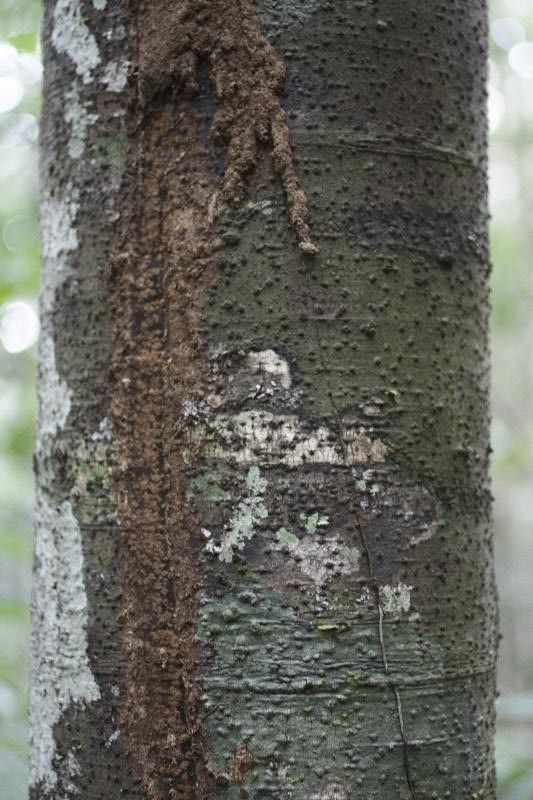
Oh, Ocotea canaliculata! If you’ve ever admired those glossy, deep green leaves and the subtle, elegant form of this beauty, you’re not alone. It’s a real charmer, isn’t it? And the absolute joy of coaxing a brand new plant into existence from a tiny piece of its parent is something special. For some plants, it’s a breeze; for Ocotea canaliculata, let’s just say it’s a rewarding project that might take a little more patience than, say, a pothos. But don’t let that deter you! It’s absolutely doable with the right approach.
The Best Time to Start
Timing is everything, as any gardener knows! For Ocotea canaliculata, you’ll have the best luck propagating from stem cuttings in the late spring or early summer. This is when the plant is actively growing and all systems are go for producing new roots. Look for stems that are semi-hardwood, meaning they are no longer brand new and floppy, but also not super woody and stiff. They should snap cleanly when bent, rather than squishing.
Supplies You’ll Need
Gathering your supplies makes the whole process smoother. Here’s what I always have on hand:
- Sharp Pruning Shears or a Clean Knife: For making clean cuts.
- Rooting Hormone: A powdery or gel type will work.
- Well-Draining Potting Mix: I like a blend of peat moss, perlite, and a bit of compost. You can also buy specific succulent or cactus mixes.
- Small Pots or Containers: Clean ones are crucial! Yogurt cups with drainage holes poked in the bottom work in a pinch.
- Clear Plastic Bag or Dome: To create a mini-greenhouse.
- Watering Can with a Fine Rose: For gentle watering.
- Optional: Heat Mat: This can really speed things up.
Propagation Methods: Stem Cuttings
Stem cuttings are generally the most successful way to go for Ocotea canaliculata.
- Take Your Cuttings: Using your sharp shears or knife, take cuttings from healthy, vigorous stems. Aim for pieces that are 4-6 inches long. Remove the lower leaves, leaving just a few at the top.
- Prepare the Cutting: Gently dip the cut end of the stem into your rooting hormone, tapping off any excess. This step isn’t strictly mandatory, but it definitely gives your cutting a helping hand.
- Plant Your Cuttings: Fill your clean pots with your well-draining potting mix. Make a small hole with your finger or a pencil, and insert the cutting, firming the soil gently around it. You can put a few cuttings in one pot, as long as they don’t touch.
- Create a Humid Environment: Water the soil lightly until it’s evenly moist, but not soggy. Then, cover the pot with a clear plastic bag or a humidity dome. If using a bag, secure it with a rubber band, making sure the leaves aren’t pressed against the plastic. You can also just rest it loosely over the top.
The “Secret Sauce” (Pro Tips)
Here are a few things I’ve learned over the years that make a real difference:
- Cleanliness is King: Before you even slice a stem, sterilize your tools with rubbing alcohol. This prevents introducing any nasty pathogens that can kill your precious cuttings before they even have a chance.
- Location, Location, Location: While your cuttings are rooting, keep them in a bright spot with indirect light. Direct sun will scorch those tender new leaves. If you’re using a heat mat, that’s a game-changer for encouraging root development from the bottom up.
- Don’t Drown Them! It’s tempting to water a lot when you’re anxious for roots, but overwatering is the fastest way to rot your cuttings. The soil should be consistently moist, not waterlogged. The plastic bag helps maintain this moisture level without constant watering.
Aftercare & Troubleshooting
Once you start to see signs of new growth at the top – little leaves unfurling – that’s a great indicator that roots are forming! You can give a gentle tug; if there’s resistance, you’ve got roots.
- Acclimatize Gradually: When roots have formed, start slowly introducing your new plant to normal humidity by opening the plastic bag a little more each day for about a week.
- Watch for Rot: The most common sign of trouble is mushy, dark stems or leaves turning yellow and falling off without any apparent cause. This almost always points to too much moisture and poor air circulation, leading to fungal rot. If you see this, unfortunately, that cutting is likely lost. It’s a tough lesson, but it happens. Just try again with better attention to moisture and air!
So there you have it! Propagating Ocotea canaliculata is a process that rewards patience and a watchful eye. Don’t be discouraged if your first few attempts aren’t perfect. Every cutting you try, every bit of warmth and light you provide, is a learning experience. Enjoy the journey of growing your own beautiful plants – it’s truly one of gardening’s greatest pleasures. Happy propagating!
Resource:
https://identify.plantnet.org/k-world-flora/species/Ocotea%20canaliculata%20(Rich.)%20Mez/data