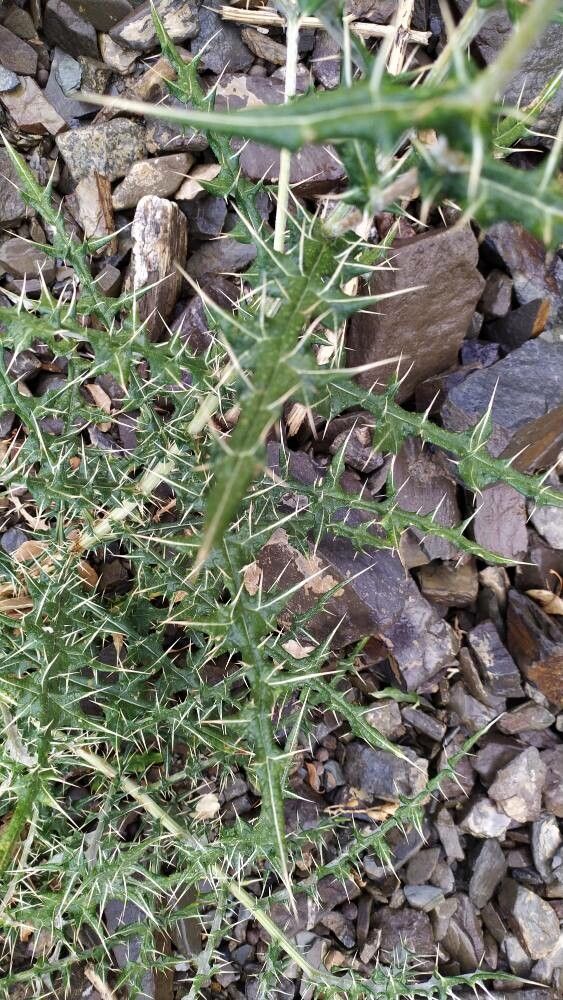
Oh, hello there! Come on in, pull up a chair. I’ve got a fresh pot of coffee brewing. So, you’ve fallen for the charm of Echinops cornigerus, have you? I don’t blame you one bit. Those spiky, globe-like blooms are just delightful, aren’t they? They add such a sophisticated, almost architectural flair to the garden, and they are fantastic for attracting pollinators. If you’re looking to expand your collection or share these beauties with friends, propagating them yourself is incredibly rewarding. Now, let me tell you, Echinops cornigerus isn’t the most finicky plant when it comes to propagation, and I think even a beginner can have a good go at it with a little guidance.
The Best Time to Start
For the highest success rate with Echinops cornigerus, I always find late spring or early summer to be the sweet spot. This is when the plant is actively growing and has plenty of energy to put into producing new roots. Look for healthy, non-flowering shoots. Trying to propagate from very old, woody stems or during the heat of mid-summer can be a bit more challenging.
Supplies You’ll Need
Here’s what you’ll want to have on hand:
- Sharp pruning shears or a clean, sharp knife: For making clean cuts.
- Potting mix: A well-draining blend is crucial. I like to use a mix of equal parts peat moss, perlite, and compost. You can also buy a good quality seed starting mix.
- Small pots or trays: Make sure they have drainage holes!
- Rooting hormone (optional but helpful): A powder or gel can really give your cuttings a boost.
- Watering can with a fine rose or a spray bottle: For gentle watering.
- Plastic bags or a propagator: To create a humid environment for your cuttings.
- Labels: Because trust me, you will forget what you planted where!
- A sunny windowsill or a warm, bright location: Out of direct, scorching sun.
Propagation Methods
Let’s get our hands dirty with the two methods I find most reliable for Echinops cornigerus:
Stem Cuttings
This is my go-to method for many plants, and it works beautifully for our spiky friends.
- Take your cuttings: In late spring or early summer, find a healthy, vigorous stem. Using your sharp pruning shears or knife, take a cutting that’s about 4-6 inches long. Make the cut just below a leaf node (where a leaf attaches to the stem).
- Prepare the cuttings: Gently remove the lower leaves from the cutting, leaving just a couple at the top. If your cutting has any flower buds, pinch those off too – we want all the plant’s energy going into root development.
- Apply rooting hormone (if using): Dip the bottom of the cutting into water, then into the rooting hormone powder or gel. Tap off any excess.
- Pot them up: Fill your small pots or trays with your prepared potting mix. Make a small hole in the center of the mix with your finger or a pencil.
- Insert the cuttings: Place the prepared cutting into the hole, ensuring the bottom leaf nodes are below the soil surface. Gently firm the soil around the base to secure it.
- Water gently: Water the soil thoroughly but gently, making sure not to disturb the cuttings.
- Create humidity: Cover the pots or trays with a plastic bag or place them in a propagator. This is essential for keeping the cuttings from drying out. Make sure the plastic doesn’t touch the leaves too much. You might need a few small stakes to prop it up.
- Provide warmth and light: Place the pots in a bright location, but avoid direct, hot sunlight, especially in the afternoon. A warm windowsill is usually perfect.
Division
This is a fantastic method if you already have a mature Echinops cornigerus plant and it’s looking a bit crowded.
- Dig up the plant: The best time for division is also late spring or early autumn when the weather is cooler and the plant is either starting its growth spurt or winding down. Gently dig around the base of the plant, being careful not to damage the roots. Lift the entire clump out of the ground.
- Examine the root ball: You’ll often see that the clump can be easily pulled apart into smaller sections. If it’s a bit stubborn, you can use a clean, sharp spade or knife to cut through the root ball.
- Prepare the divisions: Ensure each division has plenty of healthy roots and at least one or two shoots. Remove any dead or damaged material.
- Pot them up or replant: You can pot each division into its own container or replant them directly into amended garden soil. Water them in well.
The “Secret Sauce” (Pro Tips)
Here are a couple of things I’ve learned over the years that can make a big difference:
- Don’t be afraid of airflow! While humidity is key for cuttings, you also need to occasionally lift the plastic cover for a few minutes each day to allow for air circulation. This helps prevent fungal diseases, which are the bane of many a propagation attempt.
- Bottom heat is your friend. If you have a heating mat designed for propagation, it can really speed up root development, especially if your potting area isn’t naturally very warm. The slight warmth encourages those roots to get going.
Aftercare & Troubleshooting
Once you see signs of new growth – a little leaf unfurling or a tiny bit of resistance when you gently tug on the cutting – that’s a good sign roots are forming!
- Gradually acclimate: Once roots are established (you might see them peeking out of the drainage holes), slowly remove the plastic cover over a few days to let the new plants get used to regular humidity.
- Watering: Continue to water gently. Let the top inch of soil dry out slightly between waterings. Overwatering is a common mistake that can lead to rot.
- Transplanting: Once the new plants are a good size and have a decent root system, you can transplant them into larger pots or their permanent spots in the garden.
Troubleshooting? The most common issue you’ll face is rot. If a cutting turns mushy and black, it’s usually a sign of too much moisture and not enough air. Don’t be discouraged; just pull it out and try again with a slightly drier mix and better airflow. Another sign of failure is a cutting that simply shrivels up and dies. This often means it’s drying out too quickly.
A Encouraging Closing
Propagating plants is a journey, and it’s one that’s filled with learning and small victories. Be patient with your Echinops cornigerus cuttings. Some might take off faster than others, and that’s perfectly normal. Enjoy the process of nurturing these new lives, and soon you’ll have a garden bursting with those charming spiky globes. Happy gardening!
Resource:
https://identify.plantnet.org/k-world-flora/species/Echinops%20cornigerus%20DC./data