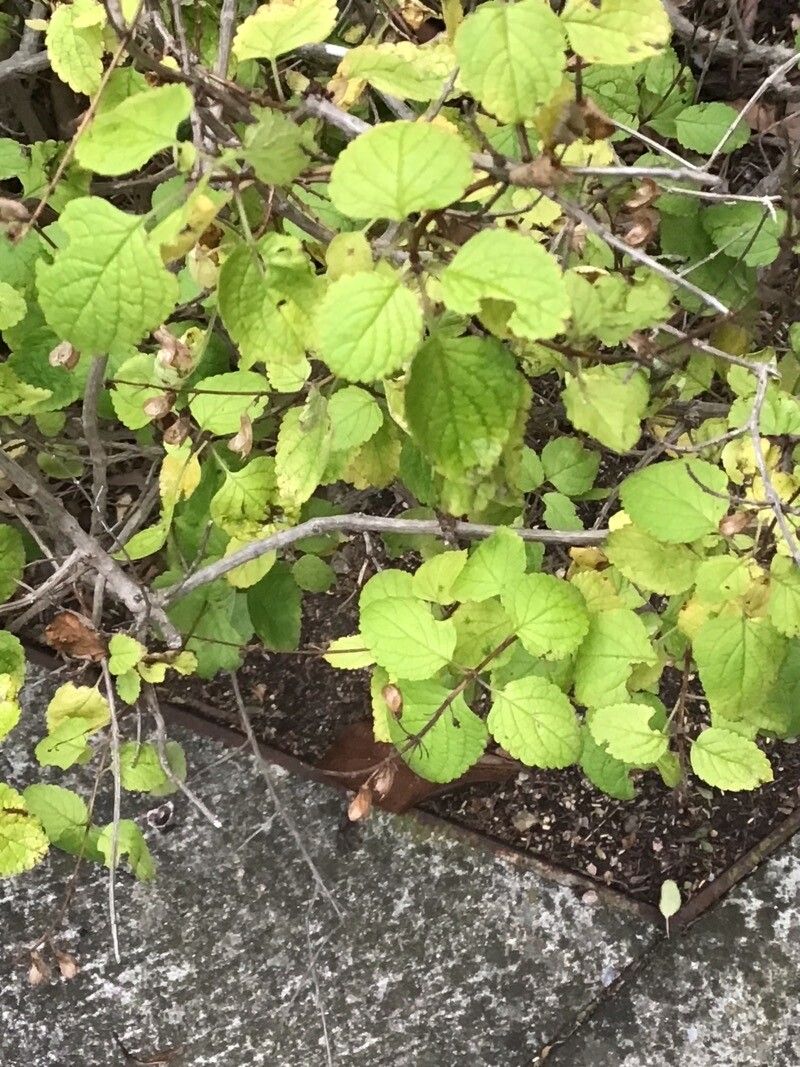
Hello, fellow green thumbs! I’m so excited to chat with you today about a plant that truly captures my heart: Ocimum labiatum, or as many of us lovingly call it, Velvet Basil. Its velvety leaves and subtle, sweet aroma are just delightful. Plus, propagating it is immensely rewarding. Watching a tiny cutting transform into a flourishing plant is one of gardening’s finest gifts. Now, I won’t sugarcoat it – this beauty is a little more particular than your average basil, but with these tips, even beginners can achieve success.
The Best Time to Start
For the absolute best results, I always aim to propagate Ocimum labiatum in late spring or early summer. This is when the plant is in its active growth phase, meaning it’s full of energy and eager to sprout new roots. You’ll want to take cuttings from healthy, non-flowering stems. Look for stems that are vibrant and supple, not woody or brittle.
Supplies You’ll Need
Before we dive in, let’s gather our tools. A little preparation goes a long way!
- Sharp Pruning Shears or Scissors: Clean cuts are crucial to prevent disease.
- Rooting Hormone (Optional but Recommended): A dip in rooting hormone significantly speeds up root development.
- Small Pots or Seed Trays: Something to house your cuttings.
- Well-Draining Potting Mix: I love a mix of equal parts peat moss and perlite for fantastic aeration.
- Watering Can with a Fine Rose: To gently moisten the soil.
- Clear Plastic Bag or Humidity Dome: To create a microclimate.
- Small Pebbles or Grit (for water propagation): To hold cuttings upright.
Propagation Methods
There are a couple of ways to go about this, and I’ve found both to be effective with Ocimum labiatum.
1. Stem Cuttings (My Preferred Method)
This is generally the most successful route for Velvet Basil.
- Take Your Cuttings: Select a healthy stem that’s about 4-6 inches long. Using your clean shears, make a cut just below a leaf node (where a leaf attaches to the stem). Remove the leaves from the bottom half of the cutting, leaving just a few at the very top.
- Dip in Rooting Hormone: If you’re using it, gently dip the cut end into your rooting hormone powder. Tap off any excess.
- Plant Them Up: Fill your small pots with your well-draining potting mix. Make a small hole with your finger or a pencil and insert the cutting. Gently firm the soil around the stem to ensure good contact.
- Water Gently: Water thoroughly but gently until the soil is evenly moist.
- Create Humidity: This is key! Place the potted cuttings inside a clear plastic bag, forming a mini greenhouse. You can also use a humidity dome. Just make sure the leaves don’t touch the plastic.
2. Water Propagation
Sometimes, you just want to watch those roots appear!
- Prepare the Cuttings: Similar to stem cuttings, take 4-6 inch cuttings from healthy stems, removing leaves from the bottom half.
- Find a Jar: Use a clean glass jar or bottle. Fill it with clean water.
- Place the Cuttings: You can add a few small pebbles or grit to the bottom of the jar to help keep the cuttings upright. Submerge the bottom inch or so of the cuttings in the water.
- Location: Place the jar in a bright spot with indirect sunlight.
- Change the Water: Change the water every few days to keep it fresh and prevent bacterial growth.
The “Secret Sauce” (Pro Tips)
Here are a couple of things I’ve learned from years of getting my hands dirty.
- Bottom Heat is Your Friend: For stem cuttings, placing your tray or pots on a gentle heat mat can significantly speed up root development. It mimics the warmth of summer soil and really encourages those roots to form.
- Don’t Drench, but Don’t Dry Out: This is a delicate balance. For stem cuttings, the soil should be consistently moist but not waterlogged. Overwatering is the quickest way to invite rot. For water propagation, the key is fresh water, not necessarily a lot of it.
Aftercare & Troubleshooting
Once you see those lovely white roots emerging (you might even see them through the drainage holes if you used clear pots, or gently peek at the bottom of your water-propagated cuttings), it’s time for a little extra care.
- For Stem Cuttings: Gradually begin to acclimate your new plants to drier air by opening the plastic bag for increasing periods over a few days. Once they’re robust, water them as you would a mature Ocimum labiatum.
- For Water Propagation: When the roots are about an inch long, it’s time to pot them up into your well-draining soil mix. Handle the roots carefully!
- Signs of Trouble: The most common issue is rot. If the stem turns mushy or black, it’s usually a sign of too much moisture. If your cuttings brown and shrivel, they might be too dry or not getting enough humidity. Don’t be discouraged if a few don’t make it; it’s part of the learning process!
A Small Step for a Plant, A Giant Reward for You!
Propagating Ocimum labiatum is a journey, and like any good journey, it requires a little patience. Don’t get discouraged if your first few attempts aren’t perfect. Keep trying, enjoy the process, and soon you’ll have a whole collection of these velvety beauties to share (or keep all to yourself!). Happy propagating!
Resource:
https://identify.plantnet.org/k-world-flora/species/Ocimum%20labiatum%20(N.E.Br.)%20A.J.Paton/data