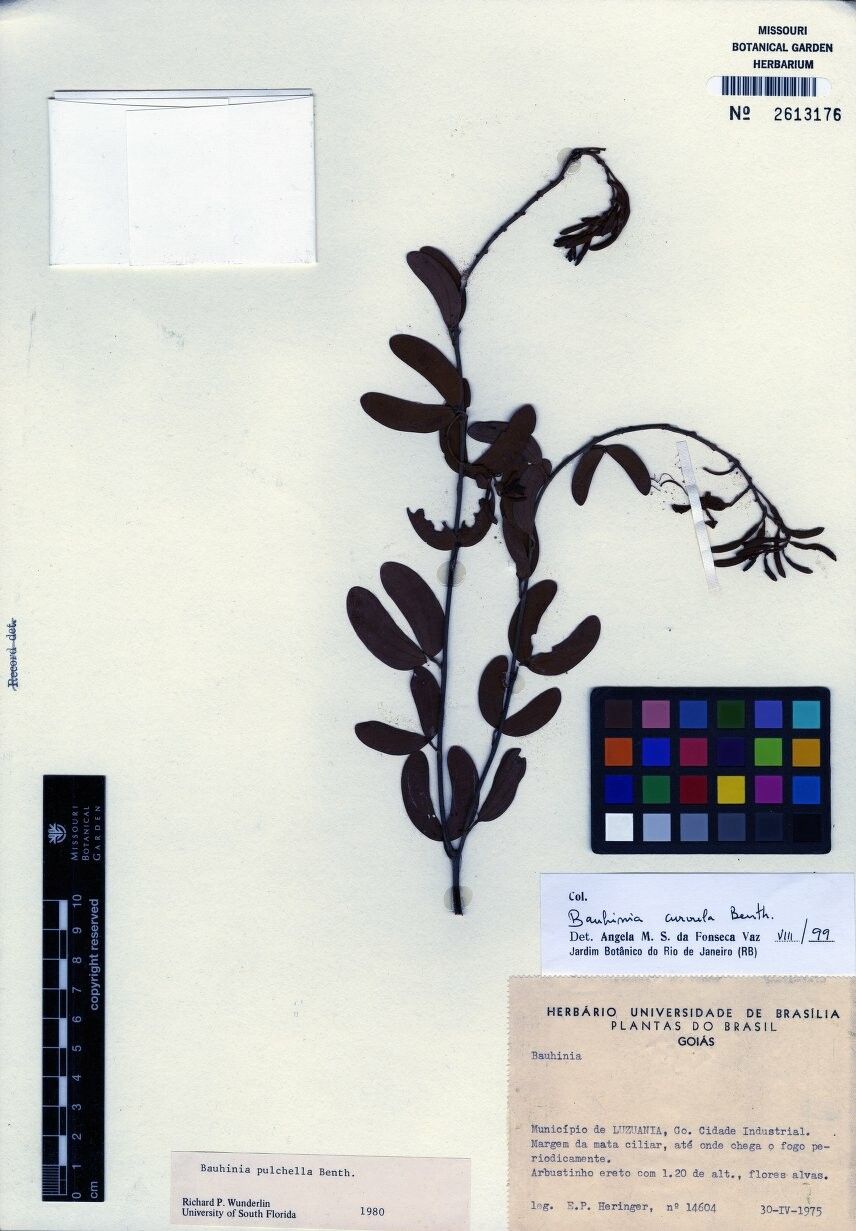
Ah, the Bauhinia curvula! What a stunner. Those orchid-like flowers, pure white and delicate, just brings a touch of elegance to any garden. It’s a plant that truly rewards your attention, and there’s a special kind of joy in coaxing a new life from an existing one. If you’re considering propagating your Bauhinia, you’re in for a treat. While it’s not the absolute simplest plant to get going, it’s far from impossible, especially if you give it a little TLC. Think of it as a rewarding challenge rather than a daunting task.
The Best Time to Start
For the highest success rate with Bauhinia curvula propagation, aim for late spring or early summer. This is when the plant is in its most vigorous growth phase. You’re looking for stems that are semi-hardwood – not brand new and floppy, but not old and woody either. They should be flexible yet have a bit of structure to them. This timing provides ample warmth and light, two crucial ingredients for root development.
Supplies You’ll Need
Ready to get your hands dirty? Here’s what you’ll want to have on hand:
- Sharp Pruning Shears or a Knife: Cleanliness is key to preventing disease.
- Rooting Hormone: A powdered or liquid rooting hormone will significantly boost your chances.
- Potting Mix: I like a well-draining mix. A blend of perlite, vermiculite, and peat moss works beautifully, or you can use a specific seedling starting mix.
- Small Pots or Trays: Clean pots with good drainage holes are essential.
- Plastic Bags or a Propagation Dome: To create a humid environment.
- Watering Can or Mister: For gentle watering.
- Optional: Bottom Heat Mat: This can really speed up root formation.
Propagation Methods
Let’s get to the heart of it! We’ll focus on the most reliable method for Bauhinia curvula: stem cuttings.
Stem Cuttings
This is my go-to for multiplying my Bauhinia collection.
- Take Your Cuttings: Select healthy stems that are semi-hardwood. You want to take cuttings that are about 4-6 inches long. Make your cut just below a leaf node (where a leaf attaches to the stem). This is where the magic of rooting hormones and new root growth often happens.
Remove the lower leaves from your cutting, leaving just a few at the top. - Prepare the Cutting: Dip the cut end of your stem into rooting hormone, ensuring it’s coated thoroughly. Tap off any excess.
- Plant Your Cuttings: Fill your small pots with your prepared potting mix. Make a hole in the center with a pencil or your finger, then gently insert the cutting. Firm the soil around the base of the stem.
- Create a Humid Environment: Water the soil lightly and then cover the pot with a plastic bag or a propagation dome. Make sure the leaves of your cutting don’t touch the plastic. If they do, gently prop it up with a stick.
- Find Them a Home: Place your potted cuttings in a warm spot with bright, indirect light. Avoid direct sun, which can scorch the delicate cuttings.
The “Secret Sauce” (Pro Tips)
Here are a few little tricks I’ve picked up over the years that can make a big difference:
- Sterilize, Sterilize, Sterilize! Before you even touch your plant, make sure your pruning shears or knife are thoroughly cleaned with rubbing alcohol. This small step can drastically reduce the risk of introducing a fungal disease that can doom your cuttings.
- Bottom Heat is Your Friend: If you’re not seeing much action, consider placing your pots on a bottom heat mat. This gentle warmth mimics the ideal soil conditions for root development and can significantly speed up the rooting process.
- Don’t Overwater! This is such a common mistake. While humidity is crucial, soggy soil is the enemy of cuttings. Allow the top layer of soil to dry out slightly between waterings. It’s better to slightly underwater than to overwater and risk rot.
Aftercare & Troubleshooting
Once your cuttings have been planted, be patient! It can take anywhere from 4 to 8 weeks, sometimes even longer, to see signs of rooting. You’ll know they’re ready when you gently tug on the cutting and feel resistance, or better yet, when you see new leaf growth.
If you notice leaves wilting and turning yellow, it could be a sign of too much water or not enough light. If the stem starts to turn black and mushy, that’s usually a sign of rot, which often stems from overwatering. Discard those cuttings and try again, making sure your soil is well-draining and you’re not keeping them too wet.
A Encouraging Closing
Growing new plants from cuttings is such a rewarding experience. It connects you more deeply to your garden and offers the joy of sharing your passion with others. Don’t be discouraged if your first attempt isn’t perfect. Every gardener has lost a cutting or two! Just keep experimenting, observe your plants, and most importantly, enjoy the process of nurturing new life. Happy propagating!
Resource:
https://identify.plantnet.org/k-world-flora/species/Bauhinia%20curvula%20Benth./data