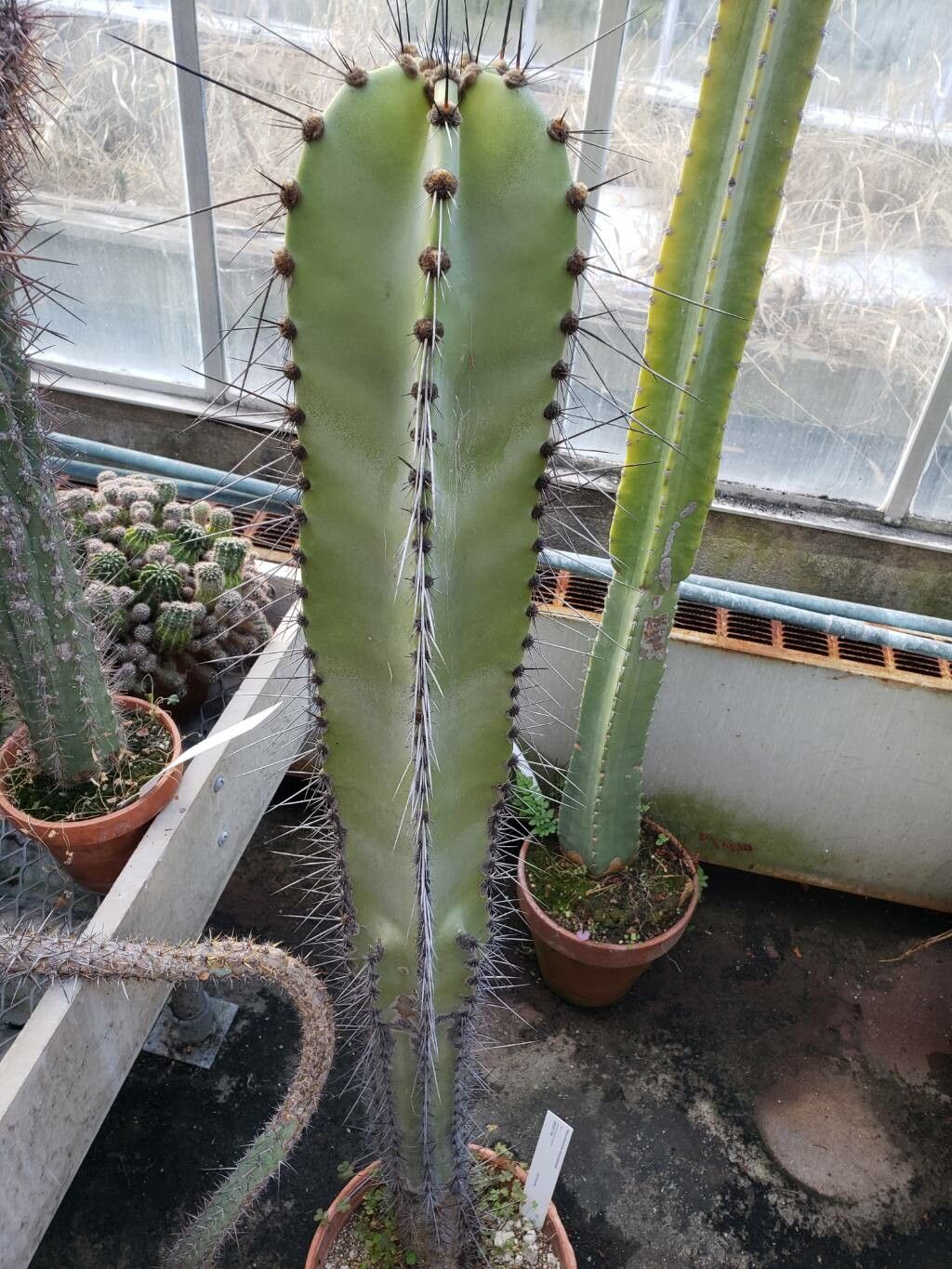
Hey there, fellow plant lovers! Today, we’re diving into the wonderful world of propagating Neoraimondia arequipensis. If you’ve ever admired this striking cactus, with its ribbed body and surprisingly delicate flowers, you’re in for a treat. For me, growing new plants from existing ones is one of the most magical parts of gardening. It’s a way to share the beauty, save a little money, and honestly, just feel that deep connection to the natural world.
Now, full disclosure: Neoraimondia arequipensis can be a bit of a diva when it comes to propagation. It’s not quite a “stick it in water and watch it grow” kind of plant, but with a little patience and the right approach, you’ll be rewarded with a whole new cactus family.
The Best Time to Start
For Neoraimondia arequipensis, the sweet spot for propagation is during its active growing season. Think late spring through summer. This is when the plant has plenty of energy to put into developing roots. Trying to propagate when it’s dormant in the cooler months is like asking someone to run a marathon after a long nap – they just won’t have the get-up-and-go!
Supplies You’ll Need
- Sharp, sterile pruning shears or a clean knife: For making precise cuts. Sterilize with rubbing alcohol between cuts to prevent disease spread.
- Cactus/succulent potting mix: A well-draining mix is non-negotiable. You can buy pre-made or create your own with equal parts potting soil, perlite, and coarse sand.
- Rooting hormone (optional but recommended): Helps speed up the root development process. Look for liquid or powder forms.
- Small pots or trays: With drainage holes, of course!
- Gloves: Some cacti can be prickly!
- Watering can with a fine rose or spray bottle: For gentle watering.
- A warm, bright location: Indirect sunlight is best for newly formed cuttings.
Propagation Methods: Stem Cuttings – My Go-To
For Neoraimondia arequipensis, taking stem cuttings is generally the most successful method. Here’s how I do it:
- Taking the Cutting: Choose a healthy, mature stem. Using your sterilized pruners or knife, make a clean cut. Aim for a section that’s about 4-6 inches long.
- Letting it Callus: This is a crucial step for cacti! Place the cutting in a dry, well-ventilated spot for at least a week, sometimes two. You want the cut end to dry out and form a protective callus. This prevents rot when you go to pot it up. It’ll look like a dry scab.
- Applying Rooting Hormone (Optional): Once callused, dip the callused end into your rooting hormone powder or liquid. Tap off any excess.
- Potting Up: Fill your small pots with your well-draining cactus mix. Make a small hole in the center with your finger or a pencil.
- Inserting the Cutting: Gently place the callused end of the cutting into the pot. Make sure it’s firm enough to stand on its own. You don’t need to bury it too deep, just enough to stabilize it.
- Initial Watering: Wait a few more days after potting before watering. When you do water, do it sparingly. The goal is to provide just enough moisture to encourage root growth without waterlogging the soil.
The “Secret Sauce” (Pro Tips)
- Don’t Rush the Callus: I cannot stress this enough! If you pot up a cutting without a good callus, you’re inviting rot. Be patient. Sometimes it takes longer than you think.
- Bottom Heat is Your Friend: Once potted, placing the pot on a gentle heat mat designed for seedlings can significantly speed up root formation. It mimics the warmth of the soil in their native habitat. Just make sure it’s not too hot!
- Observe, Don’t Poke: Resist the urge to constantly dig up your cuttings to check for roots. The best indicator is seeing new growth at the tip or edges of the stem. If you must check, do so very gently after several weeks.
Aftercare & Troubleshooting
Once your cutting shows signs of new growth (little buds or a slightly plumper look), it’s a good sign roots are forming. Gradually increase watering, allowing the soil to dry out completely between waterings. You can slowly introduce it to brighter light, but avoid direct, harsh sun for the first few months.
Common problems to watch for:
- Rot: This is the big one. If your cutting turns mushy, black, or smells bad, it’s likely succumbed to rot. Unfortunately, there’s usually no saving a rotted cactus cutting. This is why the callus and well-draining soil are so important.
- Shriveling: If the cutting shrivels up but isn’t mushy, it might mean it’s not getting enough moisture, despite your care. Try slightly increasing watering frequency, but still let the soil dry out.
A Little Patience Goes a Long Way
Propagating Neoraimondia arequipensis might take a little extra care and a lot of patience, but the feeling of success is absolutely worth it. Watch your little cactus grow and thrive – it’s a rewarding journey. So, grab your tools, find a healthy specimen, and give it a try. Happy propagating!
Resource: