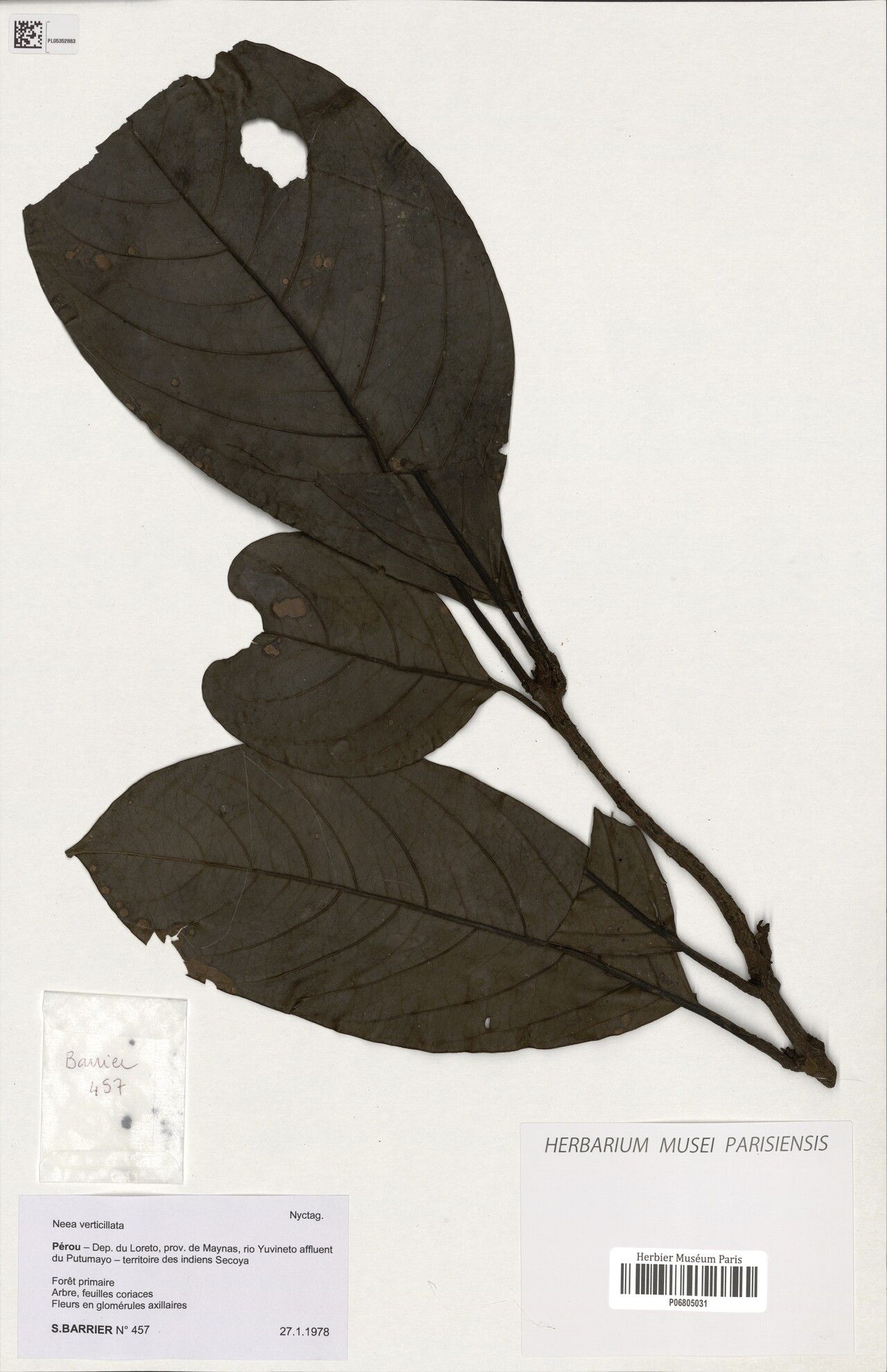
Hey green thumbs! If you’ve ever admired the lush, cascading foliage of Neea verticillata and thought, “I wish I had more of that!” – you’re in for a treat. This gorgeous plant, with its delicate, whorled leaves, is a joy to behold. And the best part? Propagating it is not only possible but incredibly rewarding. You get to double your green, share the plant love, and experience that little thrill of creating new life. For most gardeners, Neea verticillata is a pretty welcoming plant to propagate, so don’t be shy!
When to Get Your Hands Dirty
The sweet spot for propagating Neea verticillata is during its active growing season. Think late spring through early fall. This is when the plant is putting out fresh growth and has the energy to focus on developing roots. You’ll find the most success with semi-hardwood cuttings, which are stems that have started to firm up but are still somewhat flexible. Avoid taking cuttings from brand-new, floppy growth or from older, woody stems.
Your Propagation Toolkit
Gathering the right supplies makes all the difference. Here’s what I usually have on hand:
- Sharp Pruning Shears or a Craft Knife: Clean, sharp tools are non-negotiable for clean cuts.
- Potting Mix: A well-draining mix is crucial. I like a blend of equal parts perlite and peat moss or coco coir. You can also add a bit of orchid bark for extra aeration.
- Small Pots or Seed Starting Trays: These should have drainage holes!
- Rooting Hormone: While not strictly necessary for Neea verticillata, it can give your cuttings a helpful boost. Look for one with IBA.
- Plastic Bags or a Propagation Dome: To create a humid environment for your cuttings.
- Watering Can or Spray Bottle: For gentle watering.
- Labels and a Permanent Marker: To keep track of your propagated babies!
- (Optional) Bottom Heat Mat: This can speed up root development.
Let’s Get Propagating!
Neea verticillata is quite agreeable when it comes to propagation, and stem cuttings are my go-to method.
Stem Cuttings
This is where the magic happens!
- Select Your Cutting: Find a healthy stem that has some firm growth. Look for a piece that’s about 4-6 inches long. Make your cut just below a leaf node (where the leaves attach to the stem). This is where roots are most likely to form.
- Prepare the Cutting: Gently remove the leaves from the bottom half of the cutting. You want to expose those nodes. If your cutting has large leaves, you can even cut them in half to reduce water loss.
- Dip in Rooting Hormone (Optional): If you’re using rooting hormone, dip the cut end into the powder or gel, tapping off any excess.
- Planting Time: Fill your small pots with your prepared, moist potting mix. Poke a hole in the center with a pencil or your finger. Gently insert the cutting into the hole, ensuring the bottom nodes are buried in the soil. Firm the soil around the stem.
- Create Humidity: Water the soil gently, then cover the pot with a plastic bag or place it under a propagation dome. Make sure the leaves don’t touch the plastic if possible.
- Find a Spot: Place your pots in a bright location, but out of direct sunlight. If you have a bottom heat mat, now’s the time to use it!
My “Secret Sauce” for Success
Beyond the basics, here are a few things I’ve learned that really help:
- Don’t Overwater: This is probably the biggest mistake people make. The soil should be consistently moist, but never soggy. Soggy soil leads to rot, and nobody wants that. I like to check the soil moisture by feel, or by lifting the pot to gauge its weight.
- Air Exchange is Key: Even though we want humidity, your cuttings still need a bit of fresh air. If using a plastic bag, open it up for a few minutes each day to allow for some air circulation. This also helps prevent fungal issues.
- Patience, My Friend: Some plants root quickly, others take their sweet time. Neea verticillata is usually pretty cooperative but can sometimes be a bit leisurely. Don’t get discouraged if you don’t see roots immediately.
Welcoming Your New Babies & What to Watch For
After a few weeks, you should start to see signs of new growth. You can gently tug on a cutting to feel for resistance – that’s a good sign of roots!
Once your cuttings have established a healthy root system (you might even see roots peeking out the bottom of the pot), it’s time to transition them to their own small pots or a larger space. Continue to keep them in bright, indirect light and maintain consistent moisture.
Watch out for rot. If the stem turns mushy and black at the soil line, or if leaves start to yellow and drop excessively without any new growth, it’s likely a sign of overwatering or a fungal infection. Remove any rotting material immediately and adjust your watering habits.
So there you have it! Propagating Neea verticillata is a wonderfully achievable task. Take your time, enjoy the process, and celebrate each new little plant that you bring into the world. Happy growing!
Resource:
https://identify.plantnet.org/k-world-flora/species/Neea%20verticillata%20Ruiz%20&%20Pav./data