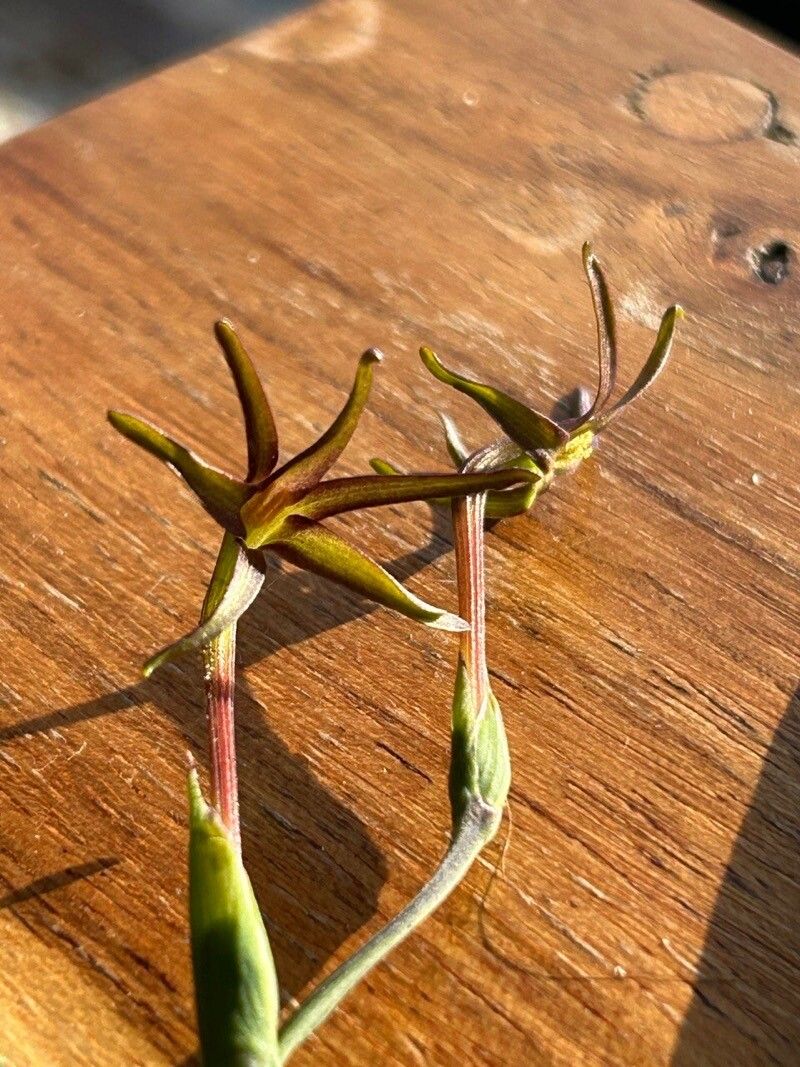
Hello, fellow garden enthusiasts! I’m so glad you’re here. Today, we’re going to dive into the charming world of Narcissus viridiflorus, that wonderfully unusual daffodil with its striking green blooms. I’ve spent two decades with my hands in the soil, and I can tell you, there’s a special kind of joy in coaxing new life from an existing plant. Propagating Narcissus viridiflorus is a bit of a treasure hunt, and while it might present a few more steps than your average bedding plant, the reward of seeing those unique green beauties unfurl from your own efforts is absolutely worth it. It’s a project that will definitely test your patience, but don’t let that deter you!
The Best Time to Start
When it comes to our green daffodils, timing is everything. The absolute best time to propagate Narcissus viridiflorus is right after flowering has finished, usually in late spring or early summer. This is when the bulbs are still plump with energy from the past season, and they’re about to enter their dormancy period. You want to work with them when they’re full of stored goodness, making them more resilient to the process.
Supplies You’ll Need
Let’s gather our tools before we get our hands dirty:
- Healthy Narcissus viridiflorus bulbs: The source of our new green treasures.
- A sharp, clean knife or trowel: For careful division.
- A well-draining potting mix: I like a blend of coir, perlite, and a bit of compost for my bulbs.
- Small pots or trays: To house your new divisions.
- Optional: Rooting hormone: While not strictly necessary for bulbs, some gardeners find it gives an extra boost.
- Watering can or spray bottle: For gentle hydration.
- Gloves: If you’re sensitive to daffodil sap.
Propagation Methods: Gentle Division is Key
For Narcissus viridiflorus, the most reliable method is bulb division. This is where we gently separate the offsets, or baby bulbs, that naturally form around the parent bulb.
- Carefully dig up the bulbs: Once the foliage has completely yellowed and died back (this is crucial!), gently dig around the base of the plant with your trowel or knife. Lift the entire clump out of the soil.
- Clean off the soil: Gently brush away excess soil. You’ll start to see the main bulb and smaller bulbs attached to its sides.
- Separate the offsets: Using your clean knife or fingers, carefully twist or slice away any offsets that are about half the size of the parent bulb or larger. Make sure each offset has at least a few basal roots attached. It’s okay if a little bit of the parent bulb’s tissue is attached to the offset.
- Inspect and trim: Check for any signs of damage or disease on both the parent bulb and the offsets. Trim away any bruised or mushy bits.
- Repot the parent bulb: Replant the main bulb in its original spot or a new location.
- Pot up the offsets: Plant your new divisions in pots filled with your well-draining potting mix. Plant them about 2-3 inches deep, similar to how you would plant a regular daffodil bulb. Space them out so they have room to grow.
The “Secret Sauce” (Pro Tips)
Here are a few things I’ve learned over the years that can really make a difference:
- Let them dry slightly: After you’ve divided your bulbs and before potting them up, let them sit in a cool, dry, airy place for a day or two. This helps any cuts to callous over, reducing the risk of rot.
- Don’t rush the planting: While you want to get them potted up relatively soon after division, avoid the temptation to plant them immediately if the soil is very wet. Wait until it’s workable.
- Think about their natural rhythm: Narcissus viridiflorus bulbs actually flower in the autumn/winter. So, when you plant your divisions in summer, you’re essentially setting them up for their next blooming cycle.
Aftercare & Troubleshooting
Once your divisions are potted, give them a gentle watering. Keep the soil lightly moist but never soggy. A good rule of thumb is to water when the top inch of soil feels dry. Place the pots in a cool, shaded spot for the summer. As autumn approaches, you can slowly introduce them to more light.
The most common issue you might encounter is rot. This is almost always due to overwatering or poorly draining soil. If you notice a bulb becoming mushy, discolored, or smelling foul, it’s likely lost. Remove it immediately to prevent it from affecting others. If a division doesn’t show signs of growth in the autumn, don’t despair! Bulbs can take a season to establish themselves.
Keep Blooming!
Propagating Narcissus viridiflorus is a journey. It requires observation, a gentle touch, and a good dose of patience. But as you watch those little green shoots emerge and, eventually, those unique flowers unfurl, you’ll feel an immense sense of satisfaction. So, embrace the process, enjoy the quiet moments with your plants, and happy gardening!
Resource:
https://identify.plantnet.org/k-world-flora/species/Narcissus%20viridiflorus%20Schousb./data