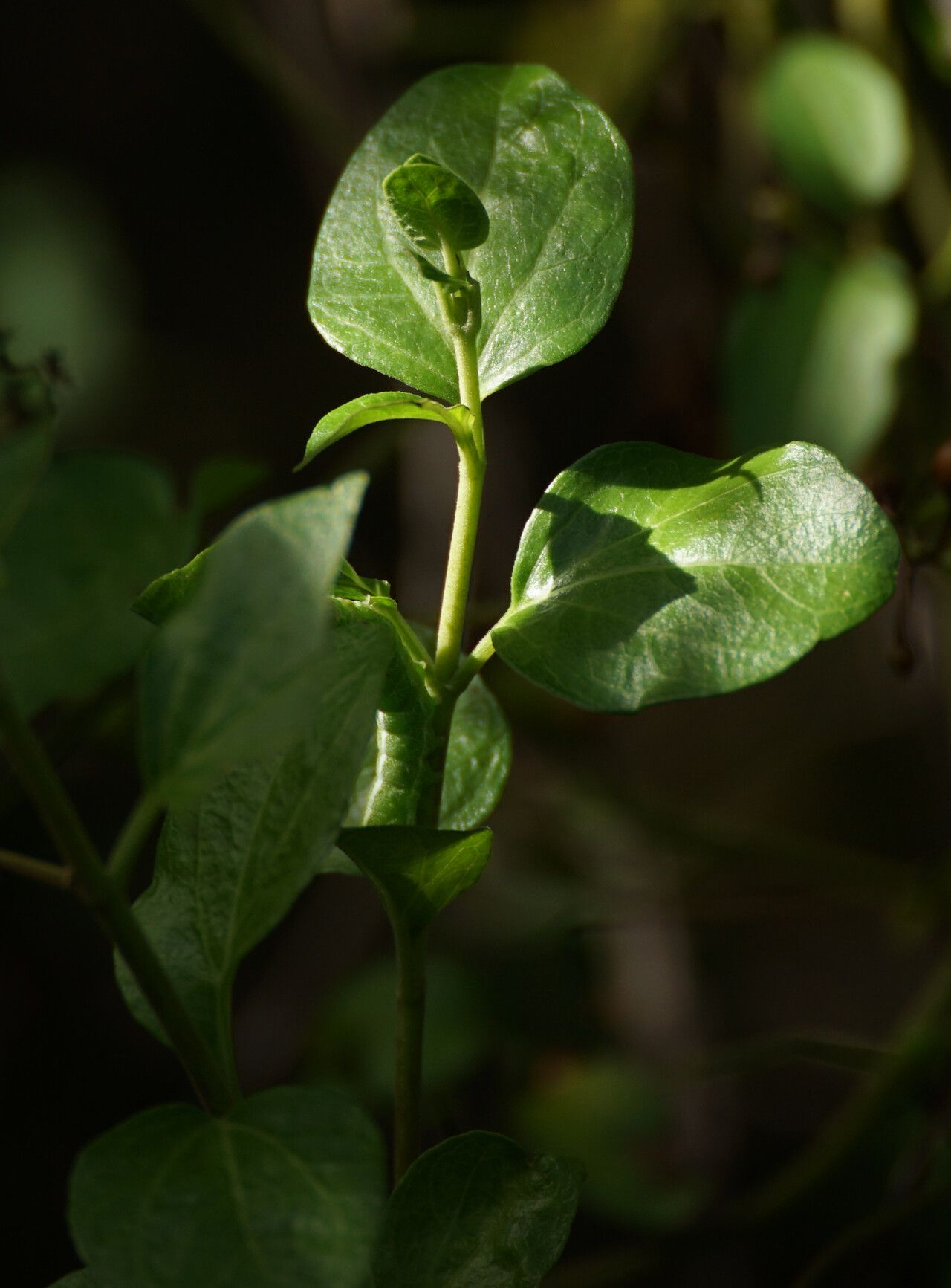
Oh, hello there! Come on in, grab a mug. Let’s chat about a plant that’s really captured my heart over the years – Chromolaena integrifolia. You might know it by its common names, like “Eupatorium” or sometimes even “Joe Pye weed,” though there are many different species in that family. This one, though, integrifolia, has such a lovely, airy presence in the garden. Its delicate clusters of white or pale pink flowers bloom later in the season, providing a delightful splash of color when many other things are winding down. And the best part? It’s surprisingly easy to share! Propagating Chromolaena integrifolia is a truly rewarding experience, and I think even if you’re just starting your gardening journey, you’ll find success here.
The Best Time to Start
My advice? Mid-spring to early summer is your sweet spot. This is when the plant is actively growing, brimming with energy. You’ll be taking cuttings from healthy, vigorous shoots that have emerged after the winter chill has passed. Waiting until the plant has put on some new growth gives you the best chance for those cuttings to root quickly and strongly.
Supplies You’ll Need
You don’t need anything too fancy, thankfully. Here’s what I always have on hand:
- Sharp Pruning Shears or a Clean Knife: For making clean cuts. We don’t want to crush those delicate stems!
- Rooting Hormone (Optional but Recommended): A little powdered or gel magic can give your cuttings a real boost.
- Well-Draining Potting Mix: I usually go for a 50/50 mix of perlite and peat moss or coco coir. Good aeration is key.
- Small Pots or Seed Trays: About 4-inch pots are perfect for a few cuttings. Make sure they have drainage holes.
- Plastic Bags or a Propagation Dome: To maintain humidity.
- Watering Can with a Fine Rose: For gentle watering.
- Labels: Don’t forget to label your creations!
Propagation Methods
There are a couple of ways to go about this, but my favorite is by stem cuttings. It’s straightforward and gives you a high success rate.
Here’s how I do it:
- Take Your Cuttings: Using your sharp shears, snip pieces of stem that are about 4-6 inches long. Look for stems that are actively growing but not yet flowering. Make your cut just below a leaf node (where the leaf joins the stem).
- Prepare the Cuttings: Gently remove the lower leaves from the cutting, leaving just a couple of leaves at the top. This prevents them from rotting in the soil. If your leaves are really large, you can even cut them in half horizontally to reduce water loss.
- Dip in Rooting Hormone: If you’re using rooting hormone, dip the cut end of the stem into the powder or gel. Tap off any excess.
- Plant Your Cuttings: Fill your pots with your prepared, moist potting mix. Make a small hole with your finger or a pencil, and insert the cut end of the stem about an inch deep. Gently firm the soil around it.
- Water Gently: Give the soil a good, gentle watering. You want it moist but not waterlogged.
- Create a Humid Environment: Pop the pots into a plastic bag or cover them with a propagation dome. Make sure the leaves aren’t touching the plastic if possible. Place them in a bright location, but out of direct sunlight.
Water Propagation (A Simpler Alternative): If you’re feeling extra cautious or just want to see the roots develop, you can try water propagation. Simply place the prepared cuttings (again, with lower leaves removed) in a jar or vase of water, making sure the leaf nodes are submerged. Change the water every few days. Once you see roots about an inch long, you can plant them in soil.
The “Secret Sauce” (Pro Tips)
Here are a couple of things I’ve learned over the years that really make a difference:
- Don’t Let Those Leaves Touch Water: Whether in soil or in a water propagation jar, any submerged leaves are an invitation for rot. Pinch them off! It’s better to have fewer leaves than to lose the whole cutting.
- Bottom Heat is Your Friend: If you have a heat mat designed for seedlings or cuttings, placing your pots on it can really speed up rooting. It mimics the warmth of spring soil and encourages those roots to get going. You’ll be amazed at the difference!
- Take Multiple Cuttings: Not every single cutting will make it. It’s just the nature of the game. So, take more than you think you’ll need! That way, even if a few don’t root, you’ll still have plenty of lovely new plants to enjoy.
Aftercare & Troubleshooting
Once you start to see new leaf growth on your cuttings – that’s a great sign that roots are forming! You can gently tug on a plant to feel for resistance.
Keep them in that humid environment for a few more weeks, slowly acclimating them to drier air by opening the bag or dome for increasing periods each day. Once they’re clearly growing well and have a good root system, you can transplant them into their own pots filled with regular potting soil.
The most common issue you’ll encounter is rot. If you see stems turning mushy and black, it’s usually a sign of too much moisture and not enough air circulation. If this happens, try to remove the affected parts immediately and ensure your soil is draining well. Sometimes, insufficient humidity can cause cuttings to wilt and dry out. Don’t despair if it happens; remember that “secret sauce” of taking extra cuttings.
A Encouraging Closing
Watching a new plant emerge from a simple stem cutting is one of gardening’s true joys. Be patient with your Chromolaena integrifolia – they might take a little time, but the reward of seeing those roots develop and new growth appear is absolutely worth it. Enjoy the process, and soon you’ll have plenty of these beautiful plants to share with friends or fill your own garden! Happy propagating!
Resource: