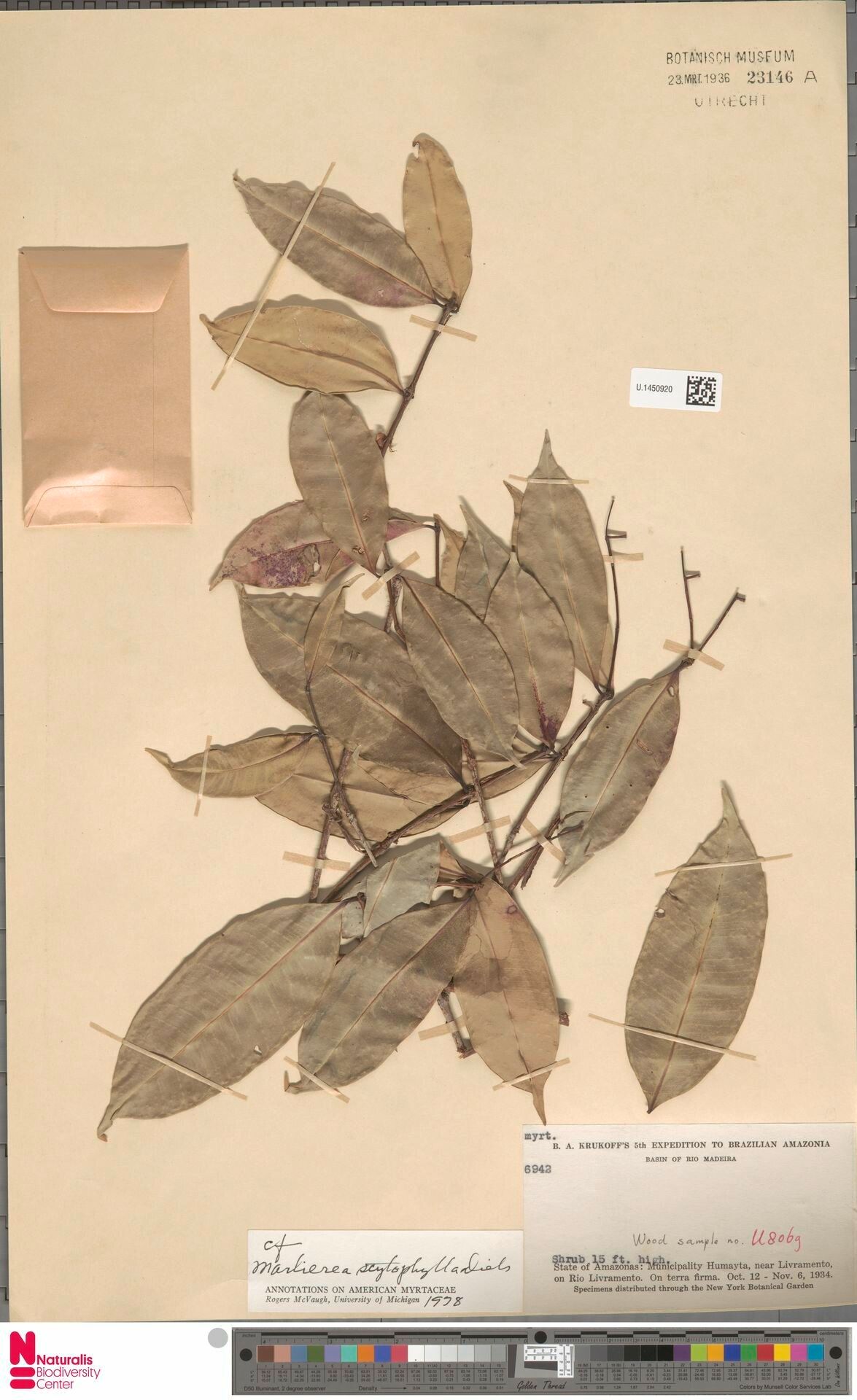
Hey there, fellow garden lovers! It’s wonderful to have you here. Today, we’re diving into the delightful world of propagating Myrcia scytophylla. If you’ve ever admired this plant’s glossy, leathery leaves and its subtle, elegant beauty, you’re in for a treat. Getting more of these beauties for yourself or to share with friends is incredibly rewarding. Now, I’ll be honest, Myrcia scytophylla can be a bit of a discerning lady when it comes to propagation, but don’t let that deter you. With a little care and attention, you’ll be well on your way to success.
The Best Time to Start
For Myrcia scytophylla, the sweet spot for propagation is definitely during its active growing season. Think late spring through summer. This is when the plant has plenty of energy to put into developing those crucial new roots. You’ll want to select healthy, new growth that’s not quite woody – it should be flexible but not flimsy.
Supplies You’ll Need
Ready to get your hands dirty? Here’s what you’ll want to have on hand:
- Sharp, clean pruning shears or a sharp knife: For making clean cuts.
- A light, well-draining potting mix: I often use a blend of equal parts peat moss, perlite, and coarse sand. You could also find pre-made cactus or succulent mixes that work well.
- Rooting hormone powder or gel: This isn’t strictly necessary for all plants, but it gives our Myrcia scytophylla cuttings a significant boost.
- Small pots or seed trays: With drainage holes, of course!
- A mister or small watering can: For gently moistening the soil.
- Plastic bags or a propagation dome: To create a humid environment.
- Optional: A heat mat for bottom heat.
Propagation Methods: Stem Cuttings
This is where we’ll focus our efforts for Myrcia scytophylla. It’s tried and true for this particular plant.
- Take Your Cuttings: Find a healthy stem from your mature plant. Look for new growth that’s about 4-6 inches long. With your clean shears, make a clean cut just below a leaf node. A leaf node is where a leaf grows from the stem – this is where roots are most likely to form. Remove the leaves from the bottom half of your cutting, leaving just a few at the top. This prevents them from rotting in the soil.
- Apply Rooting Hormone: Dip the cut end of your stem into the rooting hormone, tapping off any excess. This little step makes a big difference.
- Potting Up: Fill your small pots or trays with your prepared potting mix. Moisten the mix thoroughly so it’s damp but not soggy.
- Plant Your Cuttings: Make a small hole in the soil with your finger or a pencil and insert the cut end of the stem. Gently firm the soil around the base to ensure good contact.
- Create a Humid Environment: This is key! Cover the pot loosely with a plastic bag or place it under a propagation dome. Make sure the leaves aren’t touching the plastic if you can help it. This traps moisture and keeps your cuttings from drying out.
- Placement: Find a bright spot with indirect light. Avoid direct sun, which can scorch those tender new cuttings. If you have a heat mat, place the pots on it.
The “Secret Sauce” (Pro Tips)
Here are a couple of things I’ve learned over the years that really give Myrcia scytophylla cuttings a better chance:
- Don’t Drench the Soil: While you want the soil to be moist, overwatering is the quickest way to rot your cuttings. The goal is consistently damp, not waterlogged. I like to err on the side of slightly too dry rather than too wet.
- Bottom Heat Works Wonders: If you can manage it, using a gentle heat mat underneath your pots will significantly speed up root development. It mimics the warmth of spring soil and encourages those roots to emerge much faster. You’re aiming for a soil temperature of around 70-75°F (21-24°C).
Aftercare & Troubleshooting
Once your cuttings have been in their humid homes for a few weeks, you’ll want to start checking for roots. Gently tug on a cutting – if there’s resistance, you’re likely to have roots!
- Introduce Gradually: Once you see a good amount of roots, begin to gradually acclimate them to lower humidity. Poke a few holes in the plastic bag or lift the dome for a few hours each day.
- Watering: Continue to water sparingly, allowing the top inch of soil to dry out before watering again.
- Signs of Trouble: The most common issue is rot. If your cutting looks mushy, turns black, or easily pulls out of the soil without resistance, it’s likely rotted. This is usually due to overwatering and poor air circulation. If you catch it early, you might be able to salvage a clean section of the stem higher up.
A Encouraging Closing
Propagating plants is a journey, and sometimes there are a few detours. Be patient with your Myrcia scytophylla cuttings. Nature has its own pace, and with a bit of consistent care and these tips, you’ll soon be admiring your very own new little stars. Enjoy the process and the satisfaction of nurturing life!
Resource: