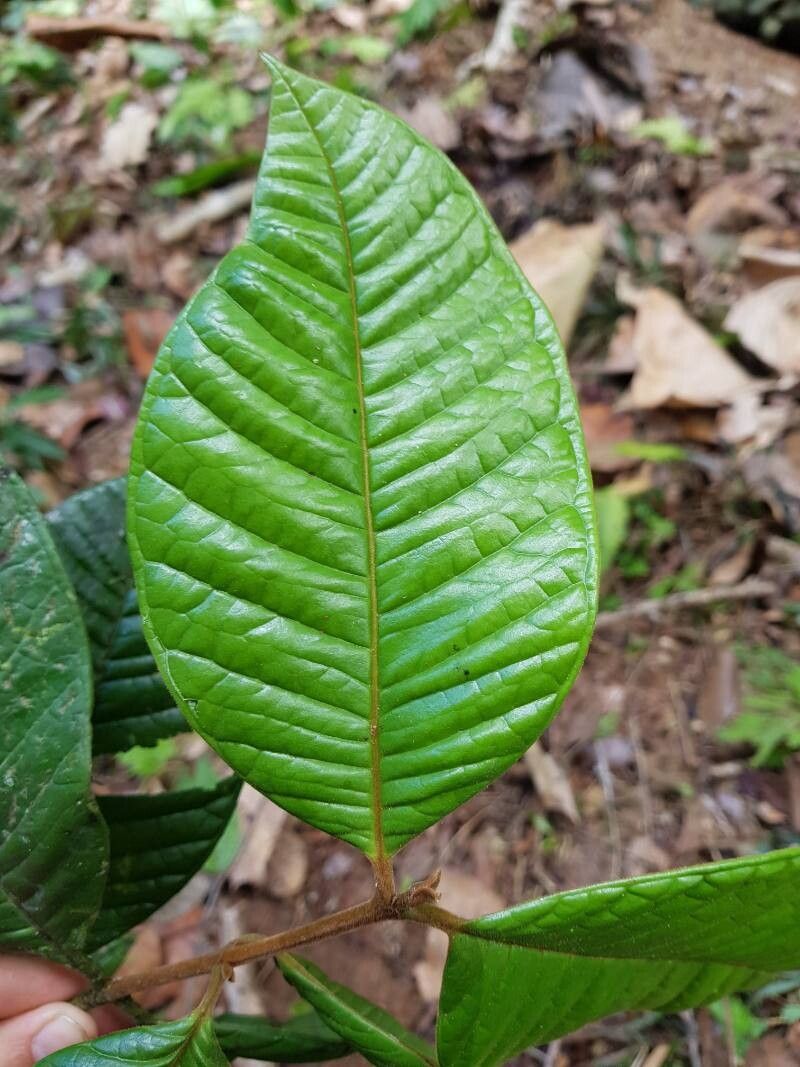
Hello, fellow garden enthusiasts! Today, I want to chat about a plant that has really captured my heart: Myrcia riverae. You might know it by its common names, like the Brazilian guava or river guava. This beautiful shrub or small tree offers lovely foliage and, if you’re lucky and conditions are right, some incredibly delicious fruit. For me, the real joy comes from seeing a tiny cutting unfurl its first new leaves, a testament to nature’s resilience. Propagating Myrcia riverae isn’t something I’d call “beginner-impossible,” but it definitely falls into the “requires a little patience and attention” category. But trust me, the reward of nurturing this plant from a sliver of itself is more than worth the effort!
The Best Time to Start
The absolute sweet spot for propagating Myrcia riverae from cuttings is when the plant is in a vigorous growing phase. For most of us, this means late spring through summer. You’re looking for semi-hardwood cuttings. These are stems that are no longer brand new and floppy, but also not yet woody and old. Think of a stem that bends a bit but doesn’t snap – that’s your sweet spot. Starting during this active growth period gives your cuttings the best chance to put on roots quickly.
Supplies You’ll Need
Gathering your supplies is half the battle, isn’t it? Having everything at the ready makes the whole process much smoother. Here’s what I always have on hand:
- Sharp, clean pruning shears or a razor blade: For making clean cuts.
- Rooting hormone (powder or gel): This is really helpful for encouraging root development.
- Sterile potting mix: A good blend for propagation is crucial. I like a mix of peat moss, perlite, and a bit of compost. A 50/50 peat/perlite mix works wonders too.
- Small pots or propagation trays: Make sure they have drainage holes!
- Plastic bags or a propagator lid: To create a humid environment.
- Watering can with a fine rose: For gentle watering.
- Labels and a pen: So you don’t forget what you’ve planted!
Propagation Methods: Stem Cuttings
This is my go-to method for Myrcia riverae. It’s reliable and you can get multiple plants from a single parent.
- Take Your Cuttings: Find those semi-hardwood stems. Using your clean shears, take cuttings that are about 4-6 inches long. Make the cut just below a leaf node, which is where a leaf attaches to the stem. This is where the magic happens for rooting!
- Prepare the Cuttings: Gently remove the lower leaves, leaving just two or three at the very top. If you have particularly large leaves, you can even cut them in half to reduce water loss.
- Apply Rooting Hormone: Dip the cut end of each cutting into your rooting hormone, tapping off any excess.
- Plant Your Cuttings: Fill your pots or trays with your prepared potting mix. Make a hole in the center with your finger or a pencil. Insert the prepared cutting into the hole, ensuring the leaf nodes that were below the soil line are covered. Gently firm the soil around the base of the cutting.
- Water Gently: Water the mix thoroughly so it’s evenly moist but not waterlogged.
- Create Humidity: Cover the pots with a plastic bag or place them in a propagator with a lid. Secure it so it traps moisture but allows a little air flow.
The “Secret Sauce” (Pro Tips)
Over the years, I’ve picked up a few tricks that have really boosted my success rates. Here are a couple I swear by for Myrcia riverae:
- Bottom Heat is Your Friend: If you can find a way to provide gentle warmth from below, your cuttings will thank you! A heated propagator or even placing the pots on top of a gently warm appliance (like a router that’s not in constant use) can significantly speed up root formation. It mimics the warmth of summer soil and encourages those roots to sprout.
- Think About Air Circulation: While humidity is vital, you don’t want stagnant, wet air. Periodically open the propagator or bag for a few minutes each day to allow for fresh air exchange. This helps prevent fungal diseases, which can be a real bummer for cuttings.
Aftercare & Troubleshooting
Once your cuttings are nestled in their moist environment, the waiting game begins! Keep the soil consistently moist but never soggy. You’ll know your cuttings are happy when they start to look plump and healthy, and importantly, show no signs of wilting.
When you see new leaf growth emerging from the tips, that’s a fantastic sign! It means roots are likely forming. Gently tug on a cutting; if you feel resistance, you’ve got roots! At this point, you can gradually acclimatize your new plants to normal room humidity, slowly opening the propagator lid or plastic bag over a week or two.
Now, for the not-so-fun part: troubleshooting. The most common challenge is rot. If you see stems turning mushy or black at the base, it’s usually a sign of too much moisture and not enough air. Unfortunately, rotten cuttings usually can’t be saved. Another sign of struggle is prolonged wilting even after being watered. This might mean the cutting isn’t taking up water, perhaps because it hasn’t rooted or the conditions aren’t right. Don’t be discouraged if some don’t make it – it’s part of the learning process!
A Encouraging Closing
Propagating Myrcia riverae is a journey, and like any good garden endeavor, it requires a bit of patience. Don’t get discouraged if your first attempt isn’t a runaway success. Observe your cuttings, learn from any setbacks, and celebrate every bit of progress. The satisfaction of watching your own little Myrcias grow from something so small is truly wonderful. Happy propagating, and enjoy the green rewards!
Resource: