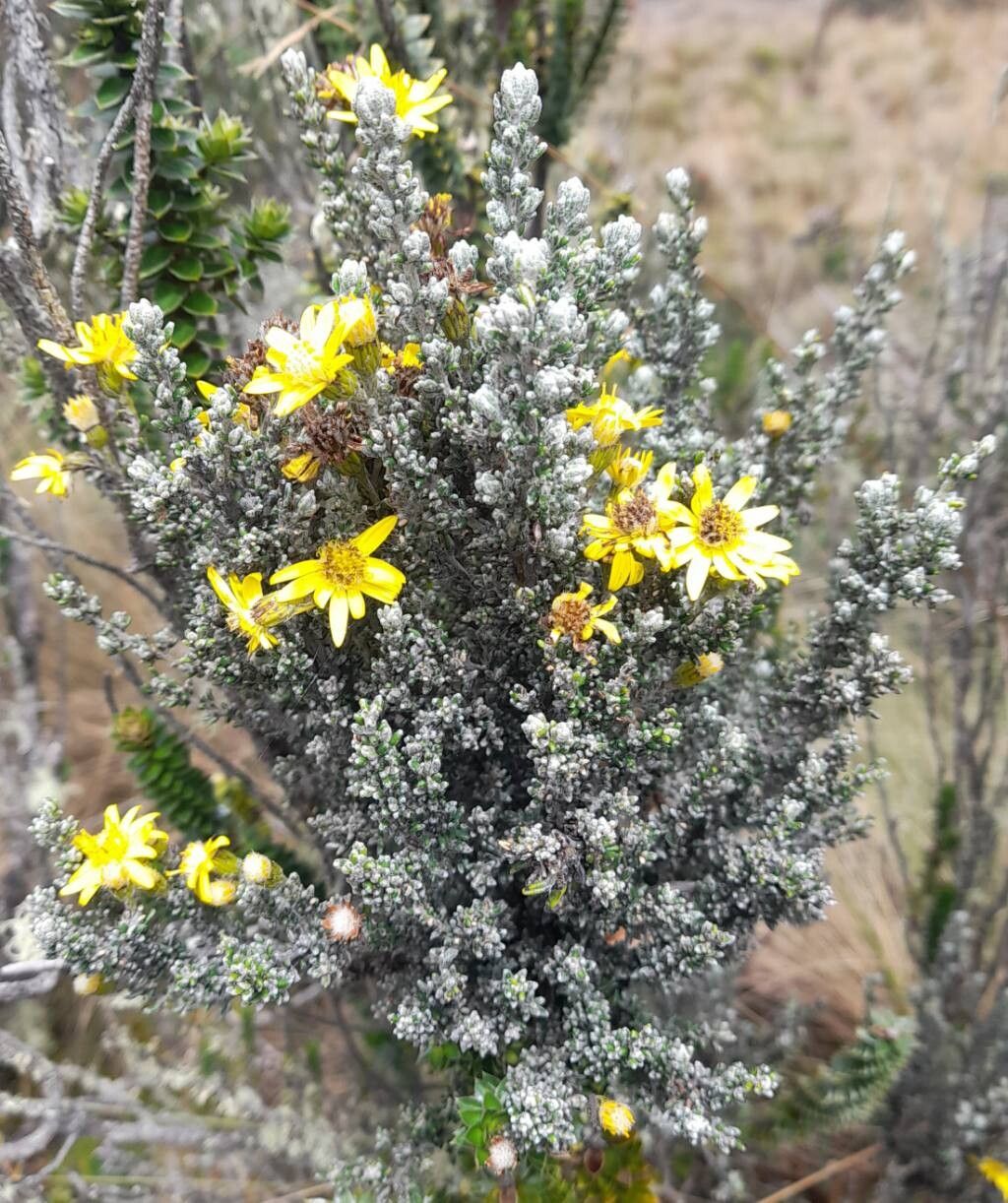
Oh, hello there! Come on in, pull up a chair. Let’s chat about a plant that’s stolen a piece of my heart over the years and one that’s a real joy to start from scratch: Monticalia peruviana, often known as the Peruvian Daisy or the Climbing Aster.
Why You’ll Love Propagating Monticalia peruviana
There’s something truly special about coaxing a new plant into existence. With Monticalia peruviana, it’s especially rewarding because this plant is a riot of cheerful, daisy-like flowers that bloom for ages, especially in milder climates. Plus, it has this lovely rambling, vine-like habit that can spill out of containers or climb up a trellis. Watching those tiny roots form, knowing you’ve helped create another one of these beauties, is just… well, it’s pure gardening magic. And the best part? It’s surprisingly not difficult to propagate, even for those of you just dipping your toes into the world of plant-making.
The Best Time to Start
For the absolute highest success rate, I always reach for my pruning shears in the late spring or early summer. This is when the plant is actively growing and has plenty of energy to put into forming new roots. You’re looking for stems that are semi-hardwood – not brand new, floppy green growth, but not old, woody material either. Think of it like a pencil in thickness, firm but still a little pliable.
Supplies You’ll Need
Here’s what I like to have on hand before I get started:
- Sharp Pruning Shears or a Clean Knife: You want to make a clean cut to avoid damaging the stem.
- Potting Mix: A light, well-draining mix is key. I often use a blend of peat moss, perlite, and a bit of compost. A succulent or cactus mix works nicely too.
- Small Pots or Seedling Trays: Clean ones, please! This helps prevent diseases.
- Rooting Hormone (Optional but Recommended): This gives your cuttings a fantastic head start. Look for one formulated for softwood or semi-hardwood cuttings.
- Plastic Bags or a Propagation Dome: To create a humid environment for your cuttings.
- Water: For the water propagation method.
- Small Pebbles or Gravel (for water propagation): To help support the cuttings.
Propagation Methods
Let’s get our hands dirty! Here are a couple of tried-and-true ways to multiply your Monticalia peruviana.
Stem Cuttings (My Go-To Method)
- Take Your Cuttings: Select healthy, non-flowering stems and cut them into 4-6 inch lengths. Make sure each cutting has at least two sets of leaves.
- Prepare the Cuttings: Gently remove the lower leaves, leaving just one or two sets at the top. This prevents them from rotting when they’re in the soil.
- Dip in Rooting Hormone: If you’re using it, moisten the cut end of the stem and dip it into the rooting hormone powder, tapping off any excess.
- Potting Up: Fill your small pots with your prepared potting mix. Make a small hole in the center with your finger or a pencil.
- Insert the Cuttings: Gently place the cutting into the hole, firming the soil around it. You can usually fit 2-3 cuttings per small pot.
- Water Gently: Give the soil a light watering.
- Create Humidity: Cover the pot with a clear plastic bag (like a mini greenhouse!) or place it under a propagation dome. Ensure the leaves don’t touch the plastic – you can use stakes to hold the bag up.
Water Propagation
This is a wonderfully visual way to propagate!
- Take Your Cuttings: Same as above – 4-6 inch lengths with at least two sets of leaves.
- Remove Lower Leaves: Again, get rid of those lower leaves.
- Place in Water: Fill a clean jar or glass with room-temperature water.
- Add Support (Optional): You can add a few small pebbles to the bottom of the jar to help your cuttings stand up, or just rest them against the sides.
- Change Water Regularly: This is crucial! Change the water every 2-3 days to keep it fresh and prevent bacteria buildup.
- Location, Location, Location: Place the jar in bright, indirect light.
The “Secret Sauce” (Pro Tips)
Here are a couple of little tricks I’ve picked up over the years that can make a big difference:
- Bottom Heat is Your Friend! Especially for stem cuttings, providing gentle bottom heat can dramatically speed up root formation. A seedling heating mat works wonders. It encourages roots to develop faster because the soil temperature is slightly warmer than the ambient air.
- Don’t Be Afraid to Be Ruthless (But Gentle): When taking cuttings, don’t just grab any old stem. Choose firm, healthy ones. And if you see any signs of yellowing or wilting on your cuttings while they’re trying to root, remove them promptly. It’s better to lose one struggling cutting than to risk it affecting others or introducing rot.
- “Callusing” for Cuttings: Sometimes, especially with slightly older stems (but still healthy!), letting the cut end sit exposed to the air for an hour or two before dipping in rooting hormone can help it “callus” over. This can sometimes reduce the risk of rot.
Aftercare & Troubleshooting
Once you start seeing pearly white roots peeking out from the drainage holes of your pots or looking healthy in the water jar – hooray!
For stem cuttings that have rooted, it’s time to transplant them into their own small pots. Continue to keep them in bright, indirect light and water them whenever the top inch of soil feels dry. Gradually introduce them to more light over a few weeks.
For water-propagated cuttings, once the roots are about an inch long, you can carefully pot them up into your well-draining soil mix. Treat them as you would the rooted stem cuttings.
What to watch out for: The most common issue is rot. If your cuttings turn mushy and black, or the leaves start to yellow and drop off rapidly, it’s usually a sign of too much moisture and not enough airflow. If using stem cuttings, ensure your soil is free-draining. If propagating in water, change the water frequently.
Keep Growing!
Propagating Monticalia peruviana is a journey, and like any good garden project, it requires a little patience. Don’t get discouraged if a few don’t make it – it happens to all of us! Just keep trying, enjoy the process, and soon you’ll have even more of these delightful blooming beauties to share. Happy growing!
Resource: