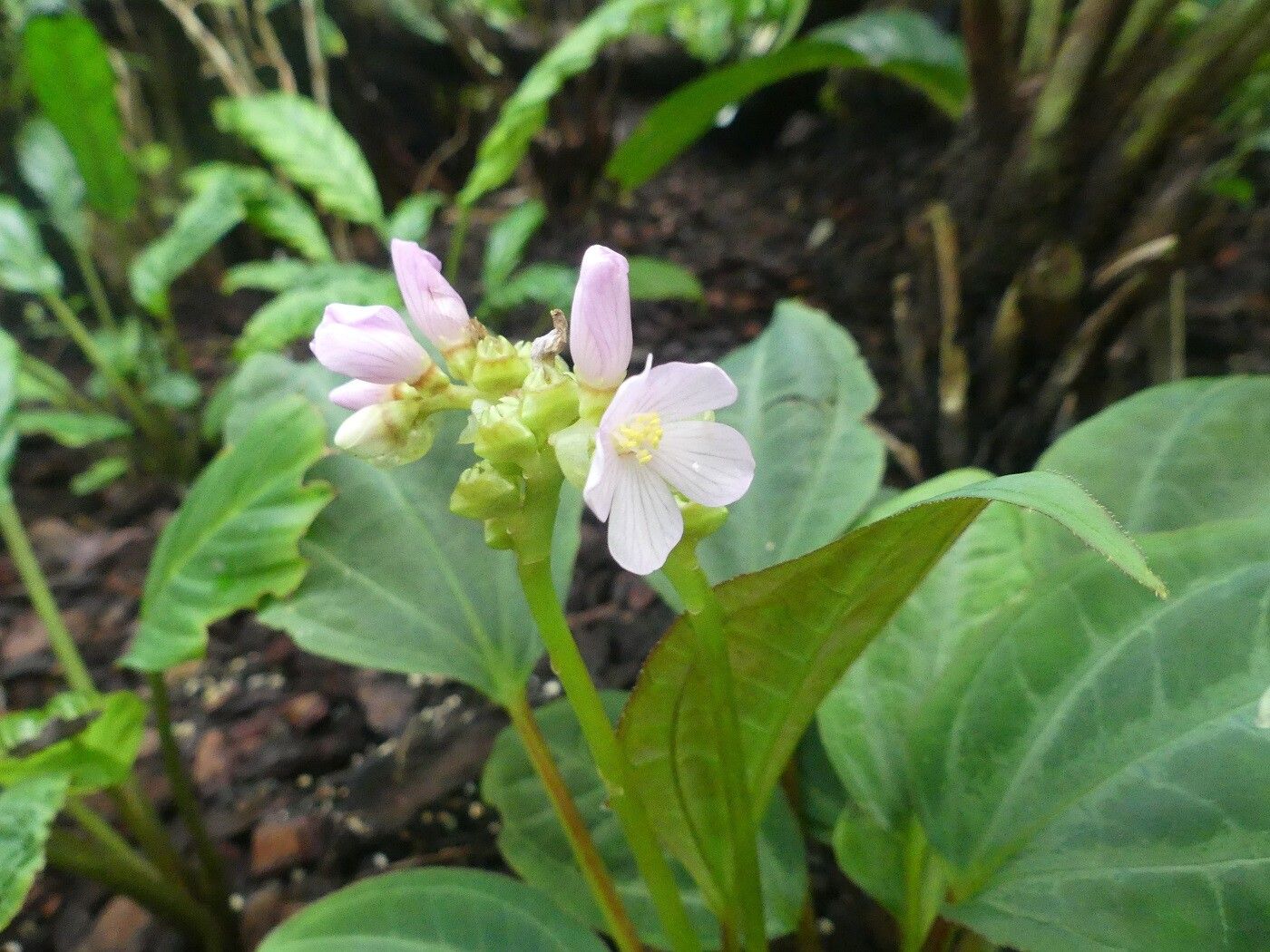
Hello fellow plant lovers! It’s so wonderful to connect with you again. Today, we’re diving into the delightful world of Monolena primuliflora. If you haven’t met this beauty yet, imagine delicate, star-shaped blooms in shades of pink and white, often appearing in charming clusters. They have this sweet, unassuming elegance that just brings a smile to my face. Propagating them? Well, that’s one of those little victories in the garden that feels just right. It’s a chance to multiply that joy and share it too!
Now, about that “beginner-friendly” question. Monolena primuliflora isn’t exactly the plant you’d hand to someone who’s never touched a trowel before. It’s got a bit of a thoughtful nature. But with a little attention to detail and some patience, I promise, you can absolutely master it. It’s a rewarding challenge, and that’s what makes it so special, don’t you think?
The Best Time to Start
For Monolena primuliflora, spring is your best friend. As the plant wakes up from its winter slumber and bursts into active growth, it’s brimming with vigor. This is when its stems are most pliant and have the highest likelihood of rooting successfully. Look for new, healthy growth that hasn’t yet started to get woody. Think of it as capturing that youthful energy for your new plant babies.
Supplies You’ll Need
Gathering your supplies beforehand makes the whole process so much smoother. Here’s what I always have on hand:
- Sharp, clean pruning shears or a sharp knife: Cleanliness is crucial for preventing disease.
- Small pots or propagation trays: Anything from tiny terracotta pots to recycled yogurt cups with drainage holes will work.
- A good potting mix: I like a blend that’s well-draining. A mix of peat moss, perlite, and a little bit of compost is my go-to. The perlite keeps things airy.
- Rooting hormone (optional but recommended): This gives your cuttings a helpful boost.
- A clear plastic bag or propagation dome: This creates a humid microclimate, which is essential for cuttings.
- A spray bottle filled with water: For misting.
- Labels: Trust me, you’ll thank yourself later!
Propagation Methods
I’ve found success with a couple of methods for Monolena primuliflora, but division is often the most straightforward for this plant.
Division
This is my favorite for Monolena because it’s essentially splitting the parent plant into smaller, independent units.
- Gently remove the parent plant from its pot. If it’s in the ground, carefully dig around it.
- Inspect the root ball. You’ll often see natural divisions where new shoots have emerged from the base.
- Carefully tease apart the root ball with your fingers. If the roots are really tangled, you might need to use a clean knife or trowel to make the cuts. Aim for divisions that have at least a few leaves and some healthy-looking roots.
- Pot up each division into its own small pot filled with your well-draining potting mix.
- Water gently to settle the soil around the roots.
- Place the pots in a bright spot but out of direct, harsh sunlight.
Stem Cuttings
This method takes a bit more finesse, but it’s immensely satisfying when it works.
- Take cuttings: In spring, select healthy stems that are about 3-4 inches long. Use your sharp shears to make a clean cut just below a leaf node (where a leaf attaches to the stem).
- Prepare the cuttings: Remove the lower leaves, leaving just a couple at the top. This prevents them from rotting once planted. If you’re using rooting hormone, dip the cut end into it now.
- Plant the cuttings: Fill your small pots with your potting mix and make a hole with a pencil or your finger. Gently insert the cutting so that the leaf nodes you removed are below the soil line. Firm the soil around the stem.
- Water lightly.
- Create humidity: Cover the pot with a clear plastic bag or place it inside a propagation dome. Make sure the leaves aren’t touching the plastic if possible.
- Place in indirect light.
The “Secret Sauce” (Pro Tips)
Here are a few little tricks that have made all the difference for me:
- The Magic of Bottom Heat: If you’re doing stem cuttings, placing your pots on a gentle heat mat can dramatically speed up root development. It mimics the warmth of spring soil and gives those roots a lovely incentive to grow.
- Don’t Drown Your Cuttings: Overwatering is the quickest way to kill a cutting. Let the top inch of soil dry out slightly between waterings. The humidity from the cover will help keep the leaves hydrated.
- Patience is a Virtue (Especially with these beauties): Don’t despair if you don’t see roots immediately. For stem cuttings, it can take several weeks. It’s better to wait and let them establish than to disturb them too soon.
Aftercare & Troubleshooting
Once you see signs of new growth – a tiny leaf unfurling or the cutting resisting a gentle tug – you know roots are forming!
- Gradual Acclimation: If you used a plastic bag, start gently airing out the cuttings by opening the bag for a few hours each day. This helps them adjust to normal humidity levels. Once they’re looking robust, you can remove the cover completely.
- Keep Watering Consistently: Continue to water when the top inch of soil feels dry, but avoid waterlogging.
- Potting Up: When the new plants have a good root system and are actively growing, you can pot them up into slightly larger containers with fresh potting mix.
The biggest pitfall you’ll likely encounter is rot. If a cutting turns mushy, black, or just wilts entirely, it’s usually a sign of too much moisture and not enough air circulation. If you see this, remove the affected cutting immediately to prevent it from spreading.
A Little Encouragement
Propagating Monolena primuliflora is such a rewarding journey. It teaches you to observe closely and to be patient with nature’s pace. Don’t be discouraged if your first attempt isn’t perfect. Every plant, every cutting is a learning experience. So, gather your tools, find a sunny spot, and enjoy the process of creating new life. Happy growing, everyone!
Resource:
https://identify.plantnet.org/k-world-flora/species/Monolena%20primuliflora%20Hook.f./data