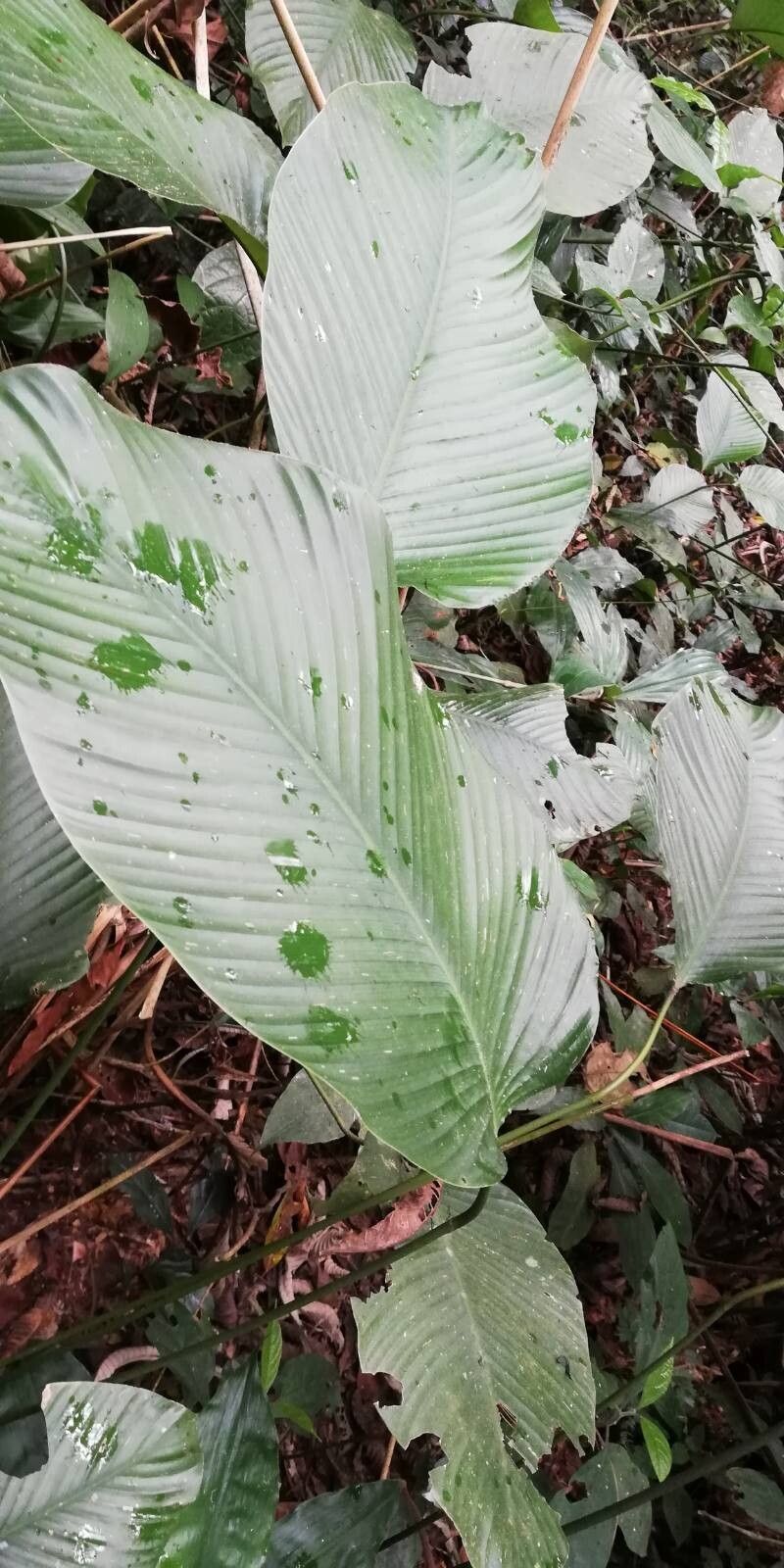
Hello fellow plant enthusiasts! Today, we’re diving into the wonderful world of coaxing new life from one of my favorite, albeit less common, beauties: Megaphrynium macrostachyum. If you’ve ever admired its lush, sculptural foliage and those unique, almost alien-looking flower spikes, you’re not alone! Propagating this particular gem can be an incredibly rewarding experience. It’s not one of those plants that sprouts new babies from every fallen leaf, but with a little know-how, you’ll be well on your way to a whole collection.
While it might sound intimidating, I’d say Megaphrynium macrostachyum falls into the intermediate category for propagation. It’s not as foolproof as a pothos, but definitely manageable for anyone who’s tried taking a cutting or two before. The satisfaction of seeing your own new plant unfurl is absolutely worth the little extra effort.
The Best Time to Start
For the highest success rate, I always aim to propagate Megaphrynium macrostachyum during its active growing season. Think late spring into summer. The plant is drawing a lot of energy at this time, making it more receptive to forming new roots. You want to be starting with healthy, vigorous material – no leggy or stressed-out stems. Look for stems that are firm and have a good amount of healthy leaf surface.
Supplies You’ll Need
Gathering your supplies before you begin is half the battle won! Here’s what I usually have on hand:
- Sharp Pruning Shears or a Clean Knife: For taking clean cuts, which helps prevent disease.
- Rooting Hormone (Optional but Recommended): A powder or gel can significantly boost your success rate, especially with trickier plants.
- Well-Draining Potting Mix: A good blend for me is about 50% perlite and 50% peat moss or coco coir. Some growers even like to add a bit of orchid bark for extra aeration.
- Small Pots or Propagation Trays: Clean pots are a must! Anything from 3-4 inch pots will work.
- Clear Plastic Bags or Cloches: For creating a mini-greenhouse environment.
- Watering Can or Spray Bottle: For gentle watering.
- Labels and a Pen: To keep track of what you’ve propagated and when.
Propagation Methods: Stem Cuttings
This is hands-down my favorite and most reliable method for Megaphrynium macrostachyum.
- Select Your Cutting: Look for a healthy stem that’s at least 4-6 inches long and has a few nodes (where leaves attach to the stem). If the stem has any flowers, it’s best to gently pinch them off to redirect the plant’s energy to root formation.
- Make the Cut: Using your clean shears or knife, make a cut just below a node. This is where the magic happens, as this is where new roots are most likely to emerge.
- Prepare the Cutting: Remove the lower leaves from the cutting, leaving about two pairs of leaves at the top. This prevents leaves from rotting when submerged or buried.
- Apply Rooting Hormone (Optional): If you’re using rooting hormone, dip the cut end of the stem into the powder or gel. Tap off any excess.
- Potting Up: Fill your clean pots with your well-draining potting mix. Make a hole in the center with your finger or a pencil.
- Insert the Cutting: Gently insert the cut end of the stem into the hole, ensuring the nodes are below the soil surface. Firm the soil gently around the base of the cutting.
- Water Gently: Water the soil thoroughly but avoid waterlogging. You want the soil to be consistently moist, but not soggy.
- Create a Humid Environment: This is crucial! Place the potted cutting inside a clear plastic bag (tent it loosely over the pot) or cover it with a cloche. Make sure the leaves aren’t touching the sides of the bag if possible. This traps humidity, which is essential for root development.
The “Secret Sauce” (Pro Tips)
You asked for it, and it’s my pleasure to share a couple of things I’ve learned over the years that make a real difference:
- Bottom Heat is Your Friend: If you have a heating mat, placing your propagation pots on top of it can significantly speed up root formation. The warmth encourages the plant to send out those new root cells. Think of it as a cozy incubator for your cuttings.
- “Air Layering” for the Bold: For a more advanced, but incredibly effective, method, try air layering. Find a healthy, mature stem and carefully make a small incision (don’t cut all the way through!). Pack moist sphagnum moss around the incision and wrap it tightly with plastic wrap. Once roots are visible through the plastic, you can carefully cut the stem below the roots and pot it up as a new plant. This method often yields larger, more established plants right from the start.
Aftercare & Troubleshooting
Once you start seeing new leaf growth emerging from the top of your cutting, it’s a good sign that roots are forming! You can gently tug on the cutting; if there’s resistance, roots have likely taken hold.
- Gradually Acclimate: Slowly introduce your new plant to ambient humidity. You can gradually open the plastic bag over a week or two.
- Continue Watering: Keep the soil consistently moist but not waterlogged.
- Provide Bright, Indirect Light: Just like the parent plant, your new sprout will appreciate bright, filtered light.
Now, let’s talk about what might go wrong. The most common issue you’ll face is rot. This usually happens when the cuttings are kept too wet or the humidity is too high without enough air circulation. If you notice mushy, blackened stems, it’s a sign of rot, and unfortunately, that cutting may not be salvageable. Don’t despair! Remove the affected cutting immediately. It’s often better to start with more cuttings than you think you need, knowing that not all of them will make it. This is part of the learning process!
A Little Patience Goes a Long Way
Propagating Megaphrynium macrostachyum is a journey, not a race. Be patient, observe your cuttings closely, and celebrate every little sign of progress. There’s such a joy in nurturing a plant from a tiny fragment of its parent, and soon you’ll have the immense satisfaction of seeing your own beautiful Megaphrynium specimens thriving. Happy propagating!
Resource: