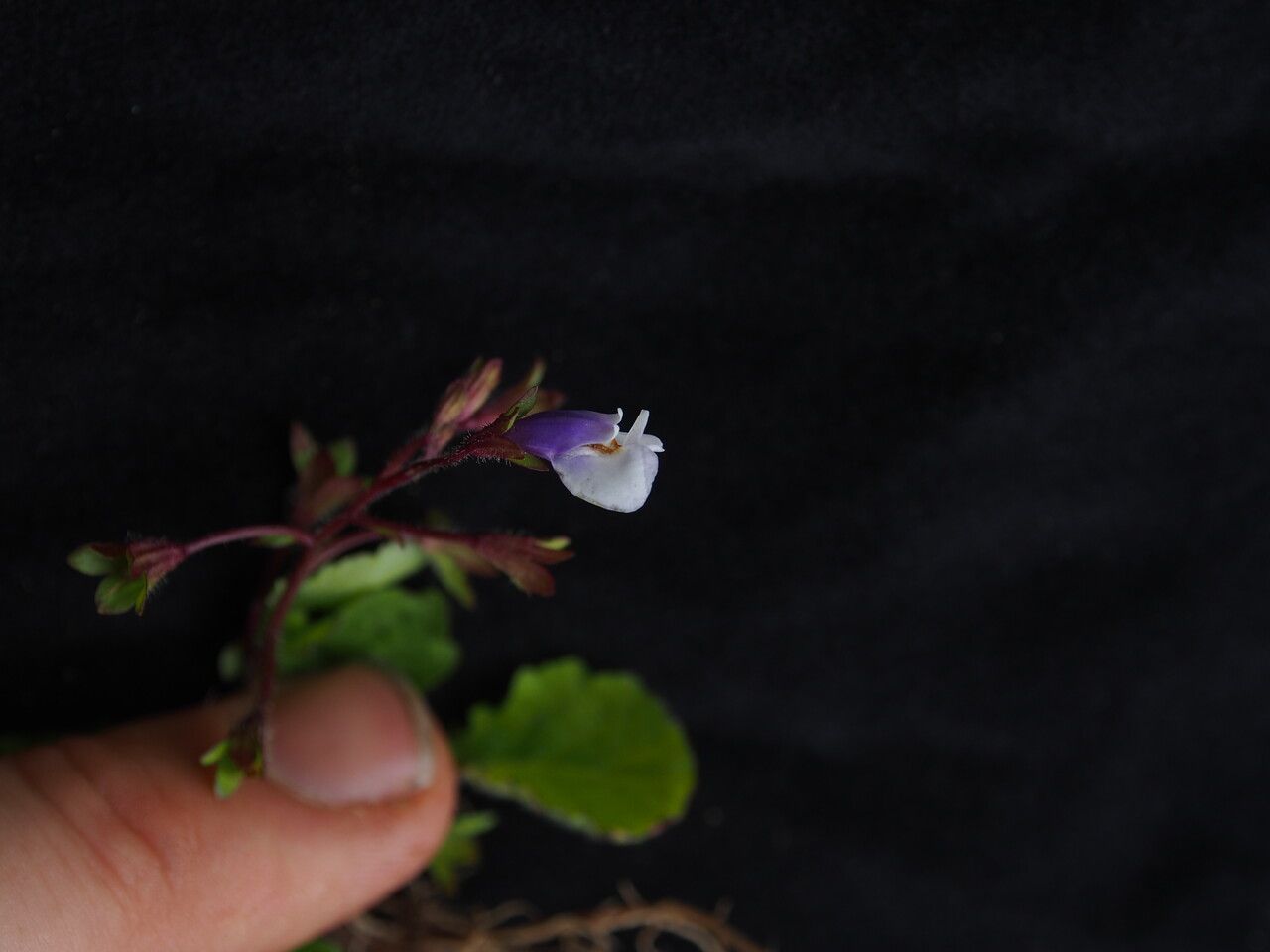
Oh, hello there! I’m so glad you’re thinking about propagating Mazus dentatus. It’s one of those unsung heroes in the garden, isn’t it? I’ve been growing it for years, and its dainty, little blue flowers that pop up in spring and early summer just make me smile. Plus, the way it spreads to form a lovely, low-growing carpet is just delightful. And the best part? It’s wonderfully easy to propagate! Even if you’re just dipping your toes into the world of plant propagation, Mazus will be a delightful friend to start with.
The Best Time to Start
Honestly, Mazus is pretty forgiving, but to get the absolute best results, I like to do my propagating in late spring or early summer. This is when the plant is actively growing and has the energy to produce new roots quickly. You want to catch it when it’s feeling vigorous!
Supplies You’ll Need
Gathering your supplies before you start makes the whole process so much smoother. Here’s what I usually have on hand:
- Sharp pruning shears or a clean knife: For making those precise cuts.
- Small pots or trays with drainage holes: Terracotta is nice, but plastic works fine, too.
- A good quality potting mix: I like a mix that’s light and drains well, maybe something with a bit of perlite or sand.
- Rooting hormone (optional but helpful): A powder or gel can really give cuttings a boost.
- Watering can with a fine rose: To water gently without disturbing things.
- A label and pen: Don’t underestimate the power of labeling your new babies!
Propagation Methods
Mazus is incredibly versatile, and I’ve had success with a couple of methods.
1. Stem Cuttings: My Favorite Go-To
This is my personal favorite because it’s so straightforward.
- Locate healthy stems: Look for non-flowering stems that are about 3-4 inches long. They should be firm but still a little flexible.
- Make the cut: Using your sharp shears or knife, cut just below a leaf node. A leaf node is where a leaf attaches to the stem. This is where the magic happens, where new roots will emerge.
- Prepare the cutting: Gently remove the lower leaves from the stem, leaving just a few at the top. This helps the cutting conserve energy and prevents leaves from rotting when buried.
- Dip in rooting hormone (if using): Lightly dip the cut end into your rooting hormone. Tap off any excess.
- Plant the cutting: Make a small hole in your potting mix with a pencil or your finger. Gently insert the cutting into the hole, making sure the leaf nodes you removed are below the soil line. Firm the soil gently around the base of the stem.
- Water gently: Water your cuttings thoroughly but carefully.
- Provide a humid environment: I often pop a clear plastic bag over the pot, secured with a rubber band, to create a mini-greenhouse. Make sure the leaves don’t touch the plastic.
2. Division: For Established Plants
If you have an older, well-established clump of Mazus, division is a fantastic way to increase your plant count.
- Gently lift the plant: In spring or early summer, carefully dig around the base of your Mazus and gently lift the entire plant out of the ground.
- Separate the root ball: You can often tease the root ball apart with your hands. If it’s quite dense, use a clean spade or two forks to gently pull it into sections. Aim for sections that have both roots and shoots.
- Replant immediately: Plant the divisions as you would a new plant, in prepared soil. Water them in well.
The “Secret Sauce” (Pro Tips)
Here are a couple of things I’ve learned over the years that seem to make a difference:
- Don’t let the leaves touch the water (for water propagation): While you can propagate Mazus in water, I find stem cuttings in soil are more successful. If you do try water, make sure only the stem is submerged, not the leaves. Leaves in the water will just rot and invite trouble.
- Bottom heat is your friend: If you’re doing stem cuttings and have a heat mat, placing your pots on one can really speed up root development. Mazus, like many plants, loves a bit of warmth from below as it’s getting established.
- Patience is key with variegation: If you’re propagating a variegated variety of Mazus, don’t panic if the first tiny leaves aren’t perfectly patterned. It can take a little while for the variegation to develop fully as the plant matures.
Aftercare & Troubleshooting
Once your cuttings have rooted – and you’ll know they have when you see new growth or gentle resistance when you tug on them – it’s time for a little extra TLC.
- Acclimatize gradually: If you used a plastic bag for humidity, start by removing it for a few hours each day, then leave it off entirely.
- Transplant when ready: When your new plants have a decent root system, you can transplant them into their own individual pots or directly into their garden spot.
- Water consistently: Keep the soil consistently moist but not waterlogged. Overwatering is the quickest way to spell disaster.
- Watch for rot: The biggest sign of failure is rotting. If your cuttings turn mushy, black, or develop fuzzy mold, it’s usually a sign of too much moisture or poor air circulation. Sometimes, you can salvage a cutting if you catch it early by trimming away the rotted parts and repotting in fresh, drier soil, but often it’s best to start again.
A Encouraging Closing
And there you have it! Propagating Mazus dentatus is a truly rewarding experience. It’s a chance to learn, to multiply your beautiful plants, and to share them with friends. Be patient with the process, celebrate every little success, and most importantly, have fun with it! Happy gardening!
Resource:
https://identify.plantnet.org/k-world-flora/species/Mazus%20dentatus%20Wall.%20ex%20Benth./data