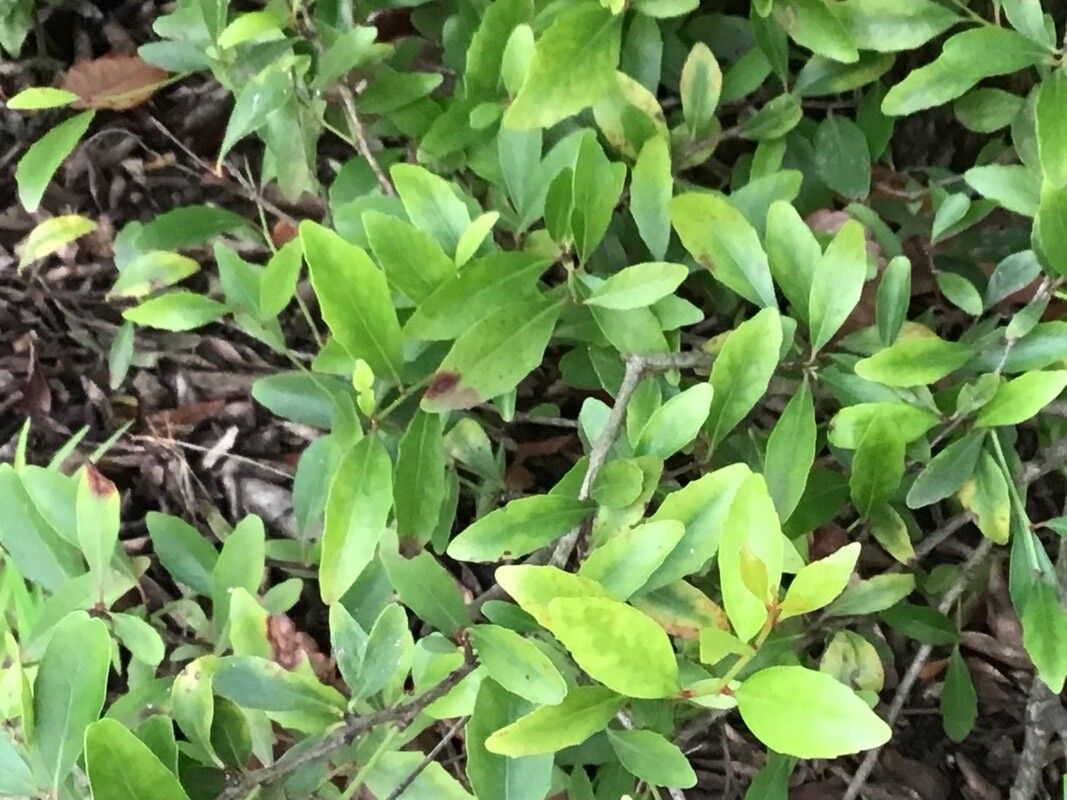
Hello there, fellow plant enthusiasts! It’s so wonderful to connect with you all today. I’ve been digging in the dirt and sharing my gardening joys for two decades now, and I’m always thrilled to chat about plants that bring a bit of charm and resilience to our lives. Today, we’re going to talk about a fantastic shrub – the Maytenus umbellata, also known as the Boxwood Dogwood or simply Mayten.
Why Propagate Maytenus umbellata?
Maytenus umbellata is a real beauty. Its glossy, evergreen leaves offer a lovely backdrop year-round, and in the spring, it surprises us with delicate, often fragrant, white flowers that eventually turn into small, attractive berries. It’s a tough plant, happy in a variety of conditions, which makes it a real workhorse in the garden. Propagating it is incredibly rewarding. Imagine filling your garden with more of these beauties, or sharing them with friends and family! For beginners, I’d say Maytenus is moderately easy to propagate. It’s not quite as foolproof as a pothos, but with a little attention, you’ll be successful.
The Best Time to Start
The ideal time to take cuttings from your Maytenus umbellata is during its active growing season. This usually falls in late spring to early summer. You’re looking for stems that are not the brand new, bright green growth (too soft) nor the old, woody growth (too hard). The perfect cuttings are semi-hardwood, meaning they have a bit of flexibility but are firm to the touch. Think of them as being halfway between a new shoot and a mature branch.
Supplies You’ll Need
Gathering your supplies beforehand makes the whole process smoother. Here’s what you’ll want to have on hand:
- Sharp Pruning Shears or a Knife: Cleanliness is key to prevent disease.
- Rooting Hormone: This is a powder or gel that helps cuttings develop roots. Not strictly essential, but it boosts your success rate.
- Small Pots or Trays: 4-inch pots are usually a good size. Make sure they have drainage holes!
- Potting Mix: A well-draining mix is crucial. I like to use a blend of equal parts peat moss or coco coir, perlite, and compost. This provides aeration and moisture retention without becoming waterlogged.
- Plastic Bag or Humidity Dome: To create a mini-greenhouse effect.
- Watering Can or Spray Bottle: For gentle watering.
- Labels: To mark your cuttings with the date and variety if you have them.
Propagation Methods
The most reliable way to propagate Maytenus umbellata is through stem cuttings. Here’s how we’ll do it:
- Taking the Cuttings: Select healthy, non-flowering shoots. Using your sharp shears, cut stems about 4-6 inches long. Make the cut just below a leaf node (where a leaf attaches to the stem).
- Preparing the Cuttings: Gently remove the leaves from the bottom half of each cutting. You want to expose the nodes where roots will form. You can leave 2-3 leaves at the top to help with photosynthesis. If the remaining leaves are quite large, you can cut them in half to reduce water loss.
- Applying Rooting Hormone: Dip the cut end of each cutting into the rooting hormone. Tap off any excess.
- Planting the Cuttings: Fill your pots with the prepared potting mix. Make a small hole in the center with your finger or a pencil. Insert the prepared cutting into the hole, making sure to get the rooting hormone-coated end into the soil. Gently firm the soil around the base of the cutting.
- Watering and Covering: Water the soil thoroughly but gently. You want it to be moist, not soggy. Then, cover the pot with a clear plastic bag or a humidity dome. This will trap moisture and create the humid environment cuttings need.
The “Secret Sauce” (Pro Tips)
Over the years, I’ve learned a few little tricks that can make a big difference:
- The “Heel” Trick: Sometimes, when taking cuttings, you’ll find a slightly older, barkier bit of stem attached to your successful cutting. This is called a “heel.” If you can gently pull a cutting that includes a small piece of this older wood, the roots tend to form more readily. Don’t stress if you don’t get one, but it’s a little bonus!
- Bottom Heat is Your Friend: While not absolutely mandatory, placing your potted cuttings on a heated seed-starting mat can significantly speed up root formation. It mimics the warmth of spring soil and encourages those roots to get going.
- Avoid Overcrowding: Give your cuttings a little breathing room in the pot. Overcrowding means less air circulation, which can invite fungal issues. You can always transplant them into individual pots later.
Aftercare & Troubleshooting
Once your cuttings are planted, place them in a bright, indirect light location. Avoid direct sunlight, especially through the plastic, as it can scorch the delicate leaves. Keep the soil consistently moist but not waterlogged. Mist the leaves periodically, especially if you’re not using a closed dome.
You’ll know your cuttings are rooting when you see new leaf growth or feel a slight tug when you gently wiggle the stem. This usually takes 4-8 weeks, sometimes longer. Be patient!
The most common sign of failure is wilting and browning leaves consistently, or if the stem starts to feel mushy and rotten, especially at the soil line. This usually indicates too much moisture and poor air circulation. If you see this, try removing affected cuttings, reducing watering slightly, and ensuring good ventilation.
Once your cuttings have a good root system, you can gradually acclimate them to lower humidity by lifting the plastic bag or dome for increasing periods over a week. Then, you can transplant them into individual pots into a regular potting mix.
Happy Propagating!
There you have it! Propagating Maytenus umbellata is a wonderfully satisfying process. It takes a little patience and a watchful eye, but the reward of creating new life from a simple stem is truly special. Don’t be discouraged if every single cutting doesn’t make it – that’s part of gardening! Just enjoy the journey and celebrate your successes. Happy planting, and may your Maytens flourish!
Resource:
https://identify.plantnet.org/k-world-flora/species/Maytenus%20umbellata%20(R.Br.)%20Mabb./data