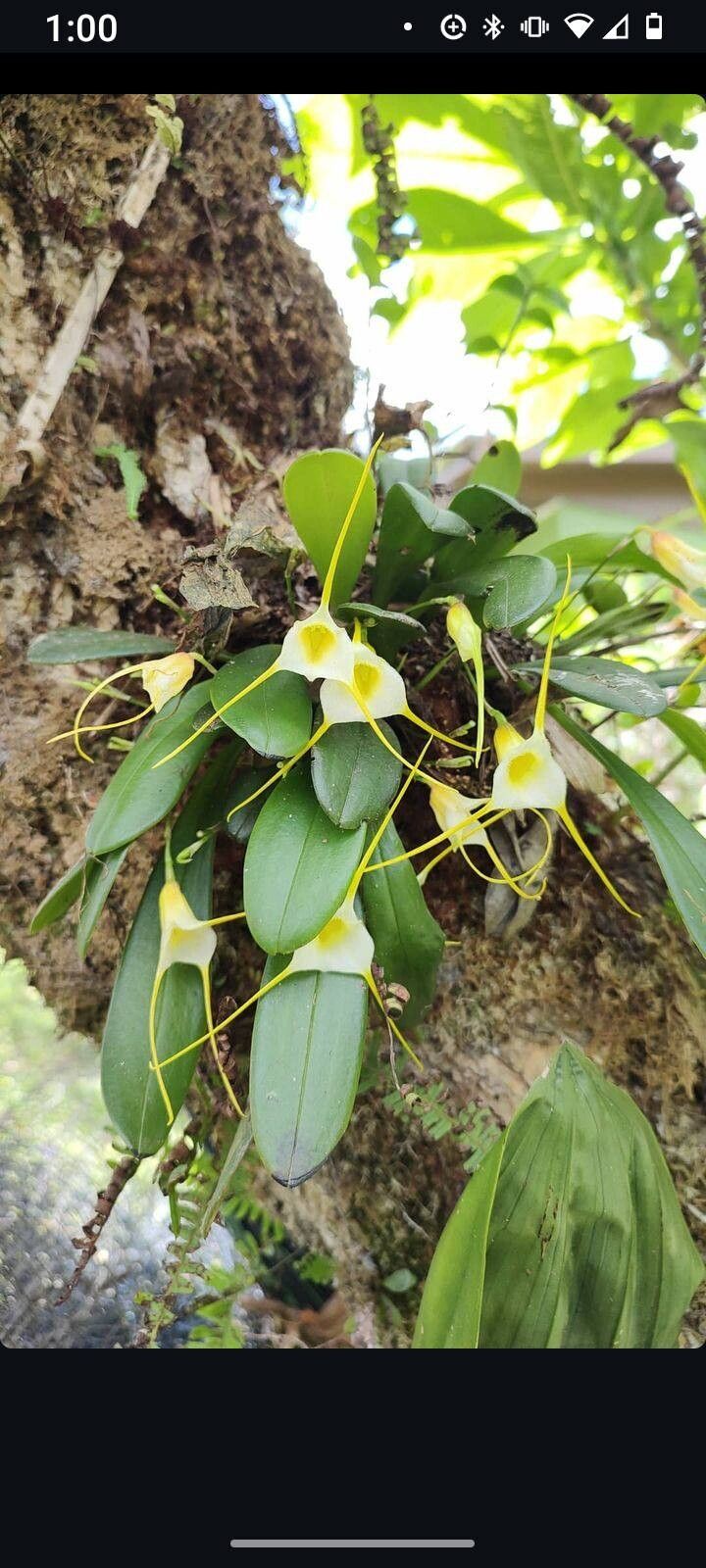
Hello fellow plant enthusiasts! It’s so lovely to have you join me for a chat over a warm cup of something delicious. Today, we’re diving into the enchanting world of Masdevallias, specifically the beautiful Masdevallia attenuata. If you’ve ever admired their delicate, trumpet-shaped blooms, often adorned with intricate markings, you know they’re a true delight. And the joy of propagateing them yourself? Absolutely priceless! Now, I won’t sugarcoat it – Masdevallias can be a little particular. They aren’t exactly the “set it and forget it” kind of orchid, so propagating them might be a bit of a challenge for absolute beginners. But don’t let that deter you! With a bit of care and attention, it’s a deeply rewarding endeavor.
The Best Time to Start
My personal favorite time to embark on propagation journeys is when things are actively growing. For Masdevallias, this usually means spring or early summer. You’ll notice new growth emerging, and the plant generally has more energy to invest in making babies. I find that trying to propagate during dormancy or periods of stress – like the heat of mid-summer or the chill of winter – just doesn’t yield the best results. Patience is key here; wait for that burst of new life!
Supplies You’ll Need
Gathering your tools before you begin makes the whole process so much smoother. Here’s what I always have on hand:
- Sharp, sterile pruning shears or a clean razor blade: For making precise cuts. I like to keep a bottle of rubbing alcohol nearby to sterilize as I go.
- Small, well-draining pots: Terracotta pots are excellent for orchids because they breathe.
- A specialized orchid potting mix: For Masdevallias, I lean towards a mix with good aeration. Think fine to medium bark, perlite, and a bit of sphagnum moss. Avoid anything too heavy or water-retentive.
- Rooting hormone (optional but helpful): A powder or gel can encourage root development.
- Clear plastic bags or a small propagation box/dome: This creates a humid environment, which is crucial.
- Water: Clean, room-temperature water. Many of my orchid friends swear by rainwater or distilled water.
Propagation Methods
Masdevallias aren’t typically propagated by seed, so our main game is division. It’s the most common and successful way to get a new Masdevallia attenuata from an established plant.
Division
This is like giving your mature plant a refreshing haircut and letting it produce offspring!
- Gently remove your Masdevallia from its pot. If it’s been in the same pot for a while, you might need to carefully ease it out. You can even gently rinse away some of the old potting mix to get a better look at the root structure.
- Inspect the rhizome. This is the fleshy, creeping stem that connects the different growths (or “ramicauls”) of your orchid. You’re looking for segments that have at least two or three healthy leaves and a good root system attached.
- Using your sterile shears or razor blade, carefully cut the rhizome. Make sure each section you create has plenty of healthy roots and at least two pseudobulbs/ramicauls with leaves. If the rhizome is stubborn, you might need to gently tease it apart with your fingers or a small, blunt tool. Sanitize your tool between each cut to prevent disease spread.
- Trim away any dead or damaged roots. This helps the new divisions focus their energy on healthy growth.
- Pot up your new divisions. Place each division into its own small pot filled with your pre-moistened orchid mix. Ensure the rhizome is sitting at the surface of the mix, not buried too deeply. The leaves should be pointing upright.
- Water them in gently. You want the potting medium to be moist but not soggy.
The “Secret Sauce” (Pro Tips)
Here are a few little tricks I’ve learned over the years that really make a difference:
- Don’t let the leaves touch the water directly. When you’re misting or watering your newly divided plants that are under a plastic bag, try to aim the water at the potting mix. Standing water on foliage can be an invitation for fungal issues, which is the last thing we want for our delicate Masdevallias.
- Bottom heat is your friend! If you can provide a gentle warmth from below – think a seedling heat mat set on a low setting – it can really encourage root formation. It mimics the warmth of a tropical environment and gives those roots a nice cozy place to start growing. Just make sure the heat isn’t overwhelming; you don’t want to cook the roots!
- Provide high humidity, but good air circulation is vital too. That plastic bag or propagation dome is great for retaining moisture, but don’t seal it up completely if you’re not using a setup with built-in ventilation. Occasionally opening the bag for a few minutes each day can prevent stale air and potential fungal problems, while still keeping humidity levels nice and high.
Aftercare & Troubleshooting
Once your divisions are potted, the real waiting game begins. Keep them in a brightly lit spot, but out of direct sunlight. Maintain that high humidity you’ve created. For the first few weeks, I mist lightly every couple of days, or whenever the surface of the potting mix starts to look dry.
What if things go wrong? The most common culprit for new orchid divisions is rot. If you notice the leaves turning yellow and mushy, or see black spots developing on the pseudobulbs, it’s usually a sign of too much moisture or poor air circulation. In this case, I would gently unpot the plant, trim away all the rotting tissue with sterilized shears, let it air dry for a day or two, and then repot into fresh, slightly drier mix.
You’ll know your division is starting to take off when you see new leaf growth or plump, white roots emerging from the potting mix! This can take anywhere from a few weeks to a few months, so again, patience is key.
A Warm Encouraging Closing
And there you have it! Propagating Masdevallia attenuata is a journey, a bit like tending to a precious little seedling. There will be moments of excitement and perhaps a few small hiccups along the way. But trust your instincts, offer them the right environment, and be patient. Watching those delicate new blooms eventually appear on a plant you’ve helped create is one of the most heartwarming rewards gardening has to offer. Happy propagating, my friends!
Resource:
https://identify.plantnet.org/k-world-flora/species/Masdevallia%20attenuata%20Rchb.f./data