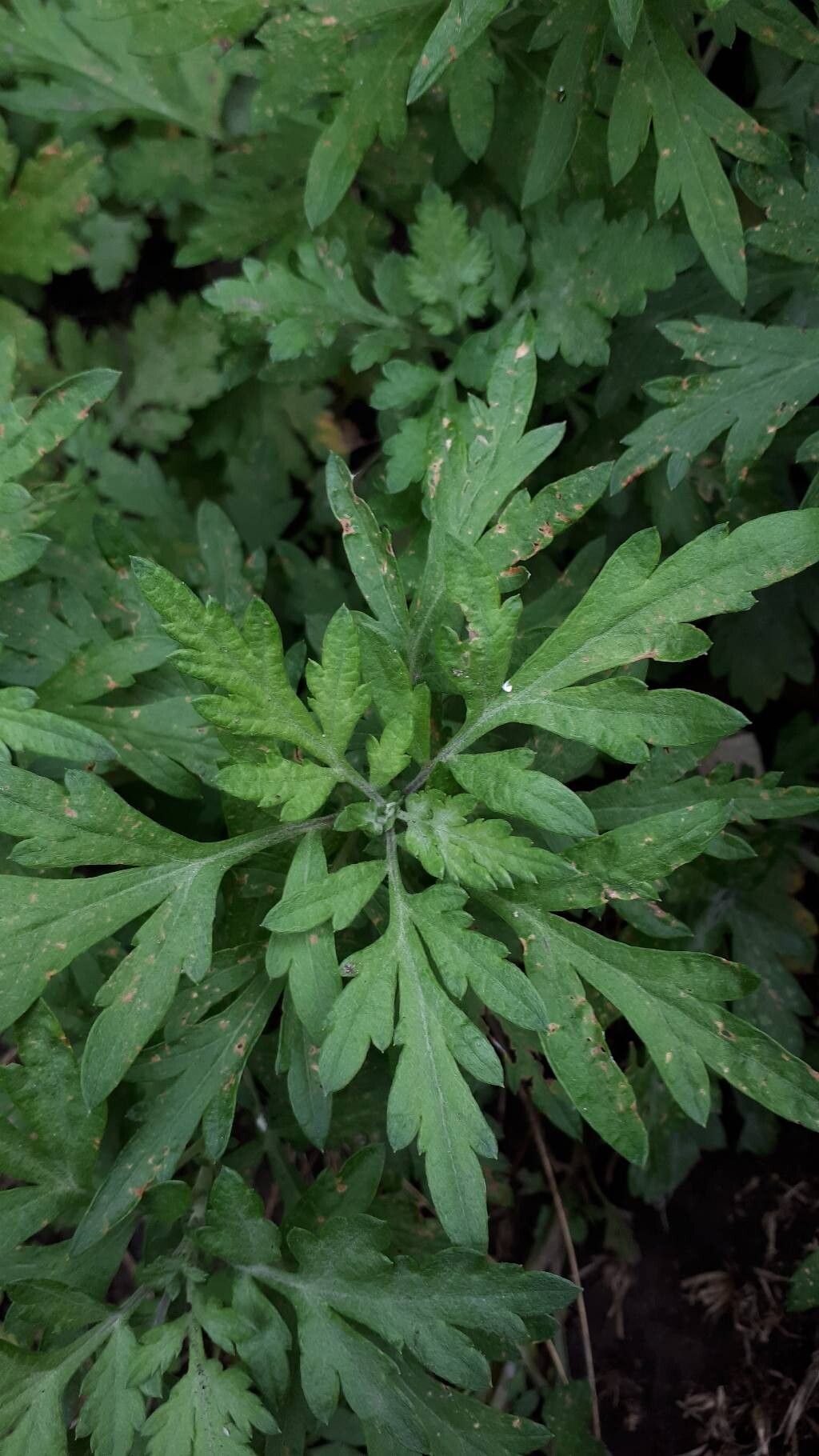
Ah, Artemisia indica. What a wonderfully fragrant and versatile plant! Its feathery silver foliage and pleasant aroma make it a favorite in many gardens. And the best part? It’s surprisingly easy to propagate, making it a perfect project for even those dipping their toes into the gardening world for the first time. Being able to create more of these beauties from just one plant is truly a rewarding experience.
When to Get Your Hands Dirty
For the highest success rate with Artemisia indica, the sweet spot is generally late spring to early summer. This is when the plant is in full swing, actively growing, and has plenty of healthy new shoots to work with. You can also have success with cuttings taken in early autumn, but spring cuttings tend to root more vigorously.
Your Propagation Toolkit
Before we dive in, let’s gather our essential supplies. Think of it like packing for a gardening adventure!
- Sharp Pruning Shears or a Clean Knife: For making clean cuts.
- Potting Mix: A good seedling or propagation mix is ideal. You can also mix your own with equal parts peat moss or coco coir and perlite or coarse sand. We want something that drains well.
- Small Pots or Trays: With drainage holes, of course!
- Rooting Hormone (Optional but Recommended): A powder or gel can give your cuttings a helpful boost.
- Plastic Bags or a Propagation Dome: To create a humid environment.
- Watering Can or Spray Bottle: For gentle watering.
- Labels and a Pen: To keep track of your efforts!
Bringing New Artemisia to Life
Artemisia indica is a generous plant, and there are a couple of tried-and-true methods for propagation.
Stem Cuttings: The Most Popular Route
This is my go-to method for Artemisia. It’s efficient and usually very successful.
- Select Your Cuttings: Look for healthy, non-flowering shoots that are about 4-6 inches long. They should be firm, not woody, but also not too soft and bendy.
- Take the Cuttings: Using your clean shears, make a fresh cut just below a leaf node. A leaf node is where the leaves join the stem. This is where the magic of rooting hormones happens.
- Prepare the Cuttings: Gently remove the lower leaves from the cutting, leaving just the top few leaves. If the remaining leaves are very large, you can even cut them in half to reduce water loss.
- Apply Rooting Hormone: Dip the cut end of the stem into your rooting hormone, tapping off any excess. If you don’t have hormone, don’t fret; the plant can still root without it, it just might take a little longer.
- Plant Your Cuttings: Fill your small pots with your prepared potting mix. Make a small hole in the center of the soil with your finger or a pencil. Insert the cut end of the stem into the hole, ensuring the node is buried. Gently firm the soil around the stem.
- Water Gently: Water the soil lightly to settle it around the cutting.
- Create Humidity: Place a plastic bag over the pot, securing it with a rubber band, or place the pots inside a propagation dome. This traps moisture and creates the humid environment cuttings crave. Make sure the leaves don’t touch the sides of the bag if possible.
Division: For Established Plants
If you have a more mature Artemisia indica clump, dividing it is another excellent way to multiply your plants.
- Dig Up the Plant: In spring or early autumn, carefully dig up the entire plant.
- Examine the Roots: Gently shake off excess soil. You’ll see the root ball.
- Divide: Using your hands or a clean spade, gently split the root ball into smaller sections. Each section should have both roots and some leafy shoots. If a section feels too large or has weak roots, it might be best to discard it or try to split it further if it’s very overgrown.
- Replant: Immediately replant the divided sections into well-prepared soil, either back in their original spot (if you want to keep them there and just thin out the clump) or in new locations. Water them in well.
My Little “Secret Sauce” Tips
Here are a few things I’ve learned over the years that make a big difference:
- Bottom Heat is Your Friend: If you have the option, placing your pots on a heated propagation mat can significantly speed up the rooting process. It mimics the warmth of spring soil.
- Don’t Overwater! This is crucial. Soggy soil is the fastest way to invite rot. The goal is evenly moist but not waterlogged soil. I like to water thoroughly once, then rely on the humidity created by the bag or dome for a while. Check the soil moisture with your finger before watering again.
- Air Them Out: Once a day, lift the plastic bag or open the dome for a few minutes to allow for some air circulation. This helps prevent fungal diseases and encourages stronger growth.
Aftercare: Nurturing Your New Sprouts
Once you start seeing new leaf growth on your cuttings, that’s a great sign that roots are forming!
- Acclimatize: Gradually introduce your cuttings to drier air over a week or two. Start by removing the bag for longer periods each day.
- Potting Up: Once the roots have filled the small pot (you might see them peeking out the drainage holes), it’s time to pot them up into slightly larger containers with good quality potting soil.
- Watering: Continue to water when the top inch of soil feels dry. They still need consistent moisture as they establish.
- Troubleshooting: The most common issue you’ll encounter is rot. If a cutting turns black and mushy, it’s likely rotted. This usually points to too much moisture and not enough air circulation. Unfortunately, there’s not much you can do for a rotted cutting, but it gives you a good learning opportunity for your next batch! Yellowing leaves can sometimes indicate insufficient light or overwatering.
There you have it! Propagating Artemisia indica is a wonderfully accessible way to fill your garden with more of this lovely plant. Be patient with the process – gardening is all about that; nature has its own rhythm. Enjoy watching those tiny roots develop and your new plants thrive! Happy propagating!
Resource:
https://identify.plantnet.org/k-world-flora/species/Artemisia%20indica%20Willd./data