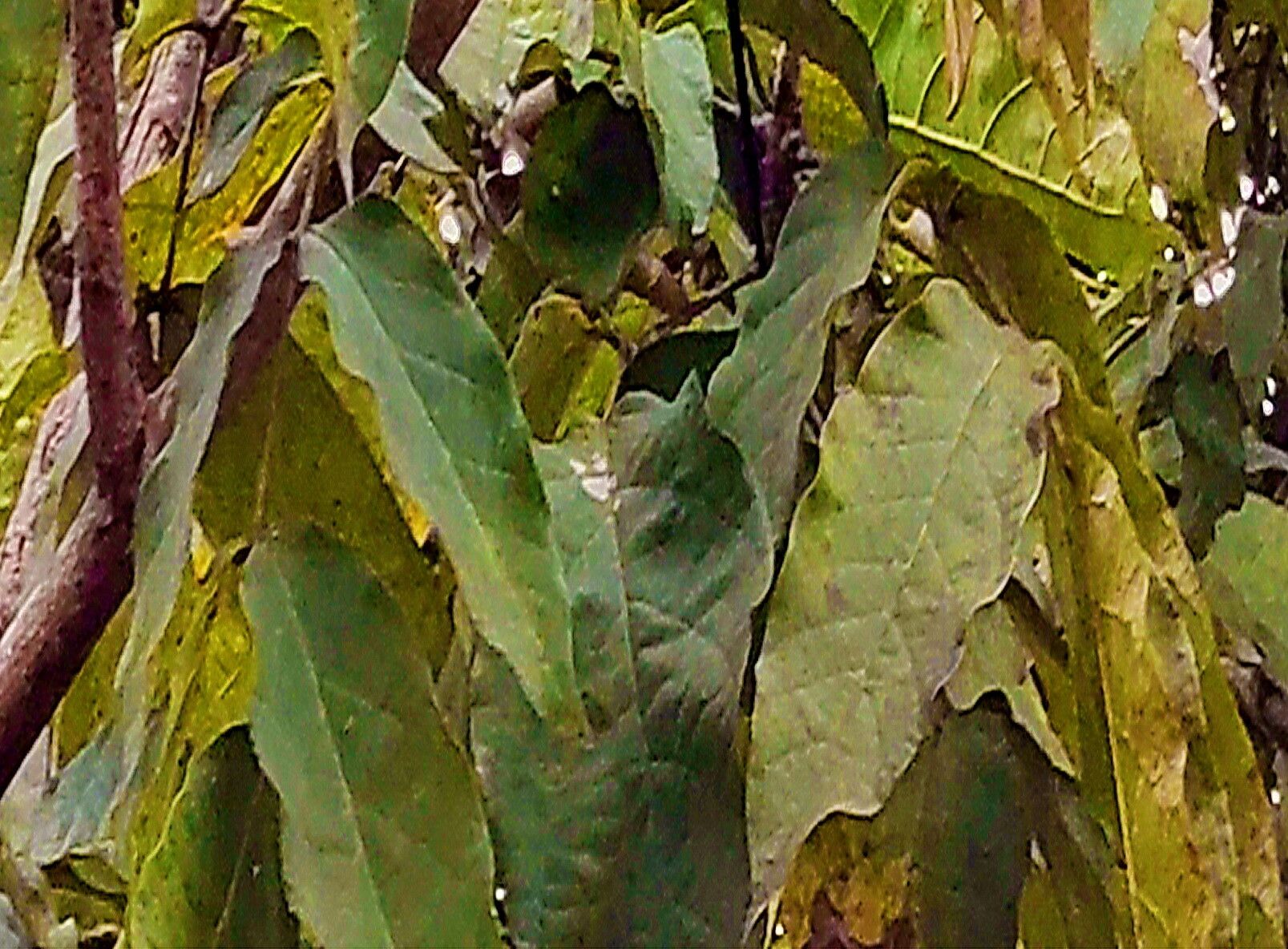
Oh, hello there! Pull up a chair and let’s chat about a truly gorgeous plant – Markhamia stipulata. If you’ve ever seen this beauty with its trumpet-shaped, vibrant yellow flowers cascading down, you know why it’s such a treasure. Growing your own from a cutting is incredibly satisfying, like a secret handshake with nature. And guess what? It’s quite forgiving, making it a wonderful project for even those just starting their plant-parenting journey.
The Best Time to Start
For the best shot at success with your Markhamia, I like to take cuttings in late spring or early summer. This is when the plant is actively growing, full of vigor, and generally more receptive to forming new roots. You’re essentially capturing its energetic boom time.
Supplies You’ll Need
To get started on this rewarding endeavor, here’s what I always have on hand:
- Sharp Pruning Shears or a Knife: Clean cuts are crucial for healthy rooting.
- Rooting Hormone: While not strictly essential for Markhamia, it definitely gives your cuttings a helpful boost. I prefer the powder kind.
- Well-Draining Potting Mix: A blend of equal parts peat moss (or coco coir) and perlite works wonderfully. You can also use a commercial “seed starting” or “cutting” mix.
- Small Pots or Containers: Clean yogurt cups with drainage holes poked in the bottom are perfect too!
- Clear Plastic Bag or a Dome Lid: This creates a mini-greenhouse effect to keep humidity high.
- Watering Can or Spray Bottle: For gentle watering.
Propagation Methods
Let’s get our hands dirty! The most reliable way to propagate Markhamia stipulata is through stem cuttings. Here’s how I do it:
- Select Your Cuttings: Look for healthy, semi-hardwood stems on your existing Markhamia. You want stems that are not too soft and green, nor too old and woody. Around pencil thickness is a good gauge.
- Make the Cut: Using your clean shears or knife, take a cutting that is about 6-8 inches long. Make a clean, angled cut just below a leaf node (the spot where a leaf attaches to the stem). This is where roots love to emerge.
- Prepare the Cutting: Gently remove the lower leaves from the cutting, leaving just two to four leaves at the top. This prevents them from rotting in the soil.
- Apply Rooting Hormone (Optional but Recommended): Dip the cut end of the stem into your rooting hormone, tapping off any excess.
- Potting Up: Fill your small pots with your prepared potting mix. Make a hole in the center with your finger or a pencil. Insert the cut end of your Markhamia cutting into the hole, ensuring the leaf nodes are buried. Gently firm the soil around the stem.
- Water Gently: Water the pot thoroughly but gently, allowing excess water to drain away.
- Create a Humid Environment: Place the potted cutting into a clear plastic bag (propping it up with skewers if needed so the leaves don’t touch the plastic) or cover it with a dome lid. This traps humidity, which is key for rooting.
The “Secret Sauce” (Pro Tips)
Here are a couple of things I’ve learned over the years that can really make a difference:
- Bottom Heat is Your Friend: If you have a heat mat designed for plants, placing your pots on it can significantly speed up root development. Markhamia loves a bit of warmth from below.
- Don’t Over-Water the Mix Initially: While humidity is vital, soggy soil can lead to rot before roots even form. The mix should feel moist, not waterlogged. I’ll often water it well once after potting, and then rely on the humidity in the bag for a while.
Aftercare & Troubleshooting
Once your cuttings are potted, place them in a bright, indirect light location. Avoid direct sun, which can scorch the leaves and dry out the cutting too quickly. Be patient! It can take anywhere from 4 to 8 weeks, sometimes longer, for roots to form.
You’ll know it’s time to check for roots by giving the cutting a very gentle tug. If you feel resistance, you’ve got roots! At this point, you can carefully remove the plastic bag and gradually introduce it to normal room humidity. Continue to water when the top inch of soil feels dry.
The most common problem you might encounter is rot. If your cutting looks mushy, black, or fallen over completely, it’s likely rotted. This usually happens from too much moisture in the soil or insufficient air circulation. If you catch it early, you might be able to salvage a healthy section and try again.
A Encouraging Closing
Propagating plants is a journey, and each success brings such joy. With Markhamia stipulata, you have a wonderful opportunity to expand your garden and share this beauty with others. Be patient with your little cuttings, keep an eye on them, and enjoy the magical process of watching roots emerge. Happy propagating!
Resource:
https://identify.plantnet.org/k-world-flora/species/Markhamia%20stipulata%20(Wall.)%20Seem./data