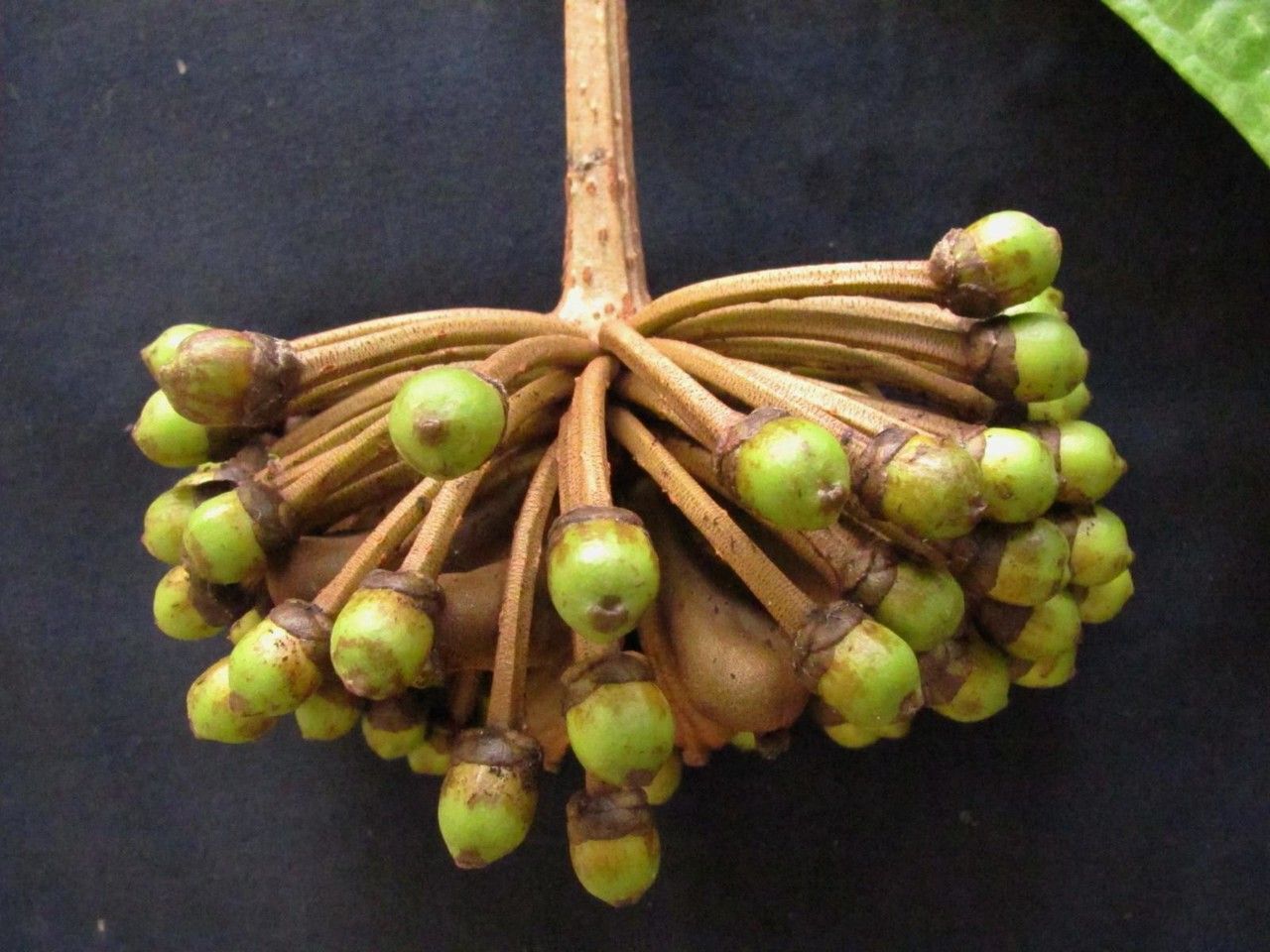
Hey there, fellow plant enthusiasts! Today, we’re diving into the wonderfully exotic world of Marcgravia roonii. If you’ve ever seen one of these beauties, you know just how captivating they are. With their unique, vining habit and often striking foliage, they really add a touch of the jungle to any space. And the best part? You can easily add more to your collection – or share them with friends – through propagation. It might sound fancy, but I promise, it’s more accessible than you think.
The Best Time to Start
For Marcgravia roonii, the spring and early summer are your golden ticket. This is when the plant is in its active growth phase. You’ll see new shoots and leaves unfurling, which means it has plenty of energy to put into developing roots. Trying to propagate when the plant is dormant or stressed is like asking a sleepy cat to do chores – it’s just not going to happen!
Supplies You’ll Need
Before we get our hands dirty, let’s gather our tools. It’s always good to be prepared!
- Sharp Pruning Shears or a Clean Knife: For making precise cuts.
- Well-Draining Potting Mix: I like a mix of orchid bark, perlite, and a bit of coco coir. This mimics their natural epiphytic (or climbing) habitat.
- Small Pots or Propagation Trays: Anything that can hold your cuttings and rooting medium.
- Rooting Hormone (Optional but Recommended): A powder or gel can give your cuttings a nice boost.
- Clear Plastic Bag or Propagator Lid: To maintain humidity.
- Spray Bottle: For misting.
- Small Stakes or Trellises (Optional): For supporting the eventual vine.
- Filtered Water or Distilled Water: Tap water can sometimes be too harsh.
Propagation Methods
There are a couple of ways to multiply your Marcgravia roonii. I find stem cuttings to be the most reliable.
Stem Cuttings
This is my go-to method for Marcgravia roonii.
- Select a Healthy Stem: Look for a piece of stem that has at least two or three nodes (where leaves emerge). A newer, flexible stem rather than a hard, woody one is ideal.
- Make the Cut: Using your sterilized pruning shears or knife, make a clean cut just below a node. You want a cutting that is roughly 4-6 inches long.
- Prepare the Cutting: Gently remove the lowest leaf or two. This exposes the nodes where roots will form. If your cutting has large leaves, you can cut them in half to reduce water loss.
- Apply Rooting Hormone (Optional): Dip the cut end into your rooting hormone powder or gel. Tap off any excess.
- Plant Your Cutting: Fill your small pot with your prepared, moist potting mix. Make a hole with your finger or a pencil and gently insert the cut end of the stem, ensuring the nodes are buried.
- Water Gently: Water the soil thoroughly but avoid waterlogging.
- Create a Humid Environment: Place the pot inside a clear plastic bag or cover it with a propagator lid. This traps moisture and creates that essential humid microclimate. You can use small stakes to keep the bag from touching the leaves.
- Find a Warm, Bright Spot: Place your covered pot in a location that receives bright, indirect light. Avoid direct sun, which can scorch the cuttings.
Water Propagation (With a Caveat)
You can try water propagation, but it’s a bit trickier for Marcgravia roonii.
- Prepare the Cutting: Similar to stem cuttings, take a 4-6 inch piece with at least two nodes, and remove the lowest leaves.
- Place in Water: Submerge the lower part of the cutting (with the nodes) in a jar of filtered or distilled water.
- The Crucial Step: Ensure no leaves are touching the water. This is vital! Leaves submerged will rot, and that’s a one-way ticket to failure.
- Change Water Regularly: Replace the water every few days to keep it fresh and oxygenated.
- Wait for Roots: You should see tiny white roots emerge from the nodes after a few weeks.
- Transplant Carefully: Once the roots are about an inch long, you can carefully transplant them into your well-draining potting mix. Be very gentle with those new roots.
The “Secret Sauce” (Pro Tips)
Here are a few tricks I’ve learned over the years that can really make a difference:
- Bottom Heat is Your Friend: Marcgravia roonii loves a bit of warmth from below. Placing your pots on a heated propagation mat can significantly speed up root development. Think of it like a little plant spa!
- Be Patient with Those Leaves: Don’t be tempted to remove all the leaves. Even if you have to cut them in half, leave at least one or two to help the cutting photosynthesize. It’s a delicate balance. A leaf that looks a bit sad is okay; it’s still working for the plant.
- Don’t Be Afraid of a Little “Green Scrape”: When preparing your cutting, you can gently scrape a tiny sliver of the outer skin off one side of a node. This exposes fresh tissue and can encourage faster rooting. Just a light touch is all you need!
Aftercare & Troubleshooting
Once you see those first signs of roots – perhaps a little tug on the cutting or new leaf growth – it’s time to adjust their care.
- Gradual Acclimation: Slowly reduce the humidity over a week or two. Start by opening the plastic bag for a few hours each day, then remove it entirely.
- Watering: Water when the top inch of soil feels dry. Avoid overwatering, as this is the quickest way to invite rot. Good drainage is key here.
- Light: Continue to provide bright, indirect light. As the plant establishes, you might be able to introduce it to slightly brighter conditions, but always observe its reaction.
Now, what if things don’t go as planned?
- Rotting Stem: Usually a sign of too much moisture and not enough air circulation, or using water that’s too cold. Make sure your soil drains well and try to keep the humidity consistent but not soggy.
- Wilting Leaves: This can happen if the cutting dries out too much, or sometimes if it’s been exposed to too much direct sun too soon. Ensure the humidity is maintained initially.
A Encouraging Closing
Propagating plants is a journey, and each success (and even the occasional setback) teaches us something new. Be patient with your Marcgravia roonii cuttings. They might take their time, but the reward of seeing a new plant emerge from a tiny cutting is absolutely magical. So, grab your supplies, get your hands a little dirty, and enjoy the process! Happy growing!
Resource:
https://identify.plantnet.org/k-world-flora/species/Marcgravia%20roonii%20S.Dressler/data