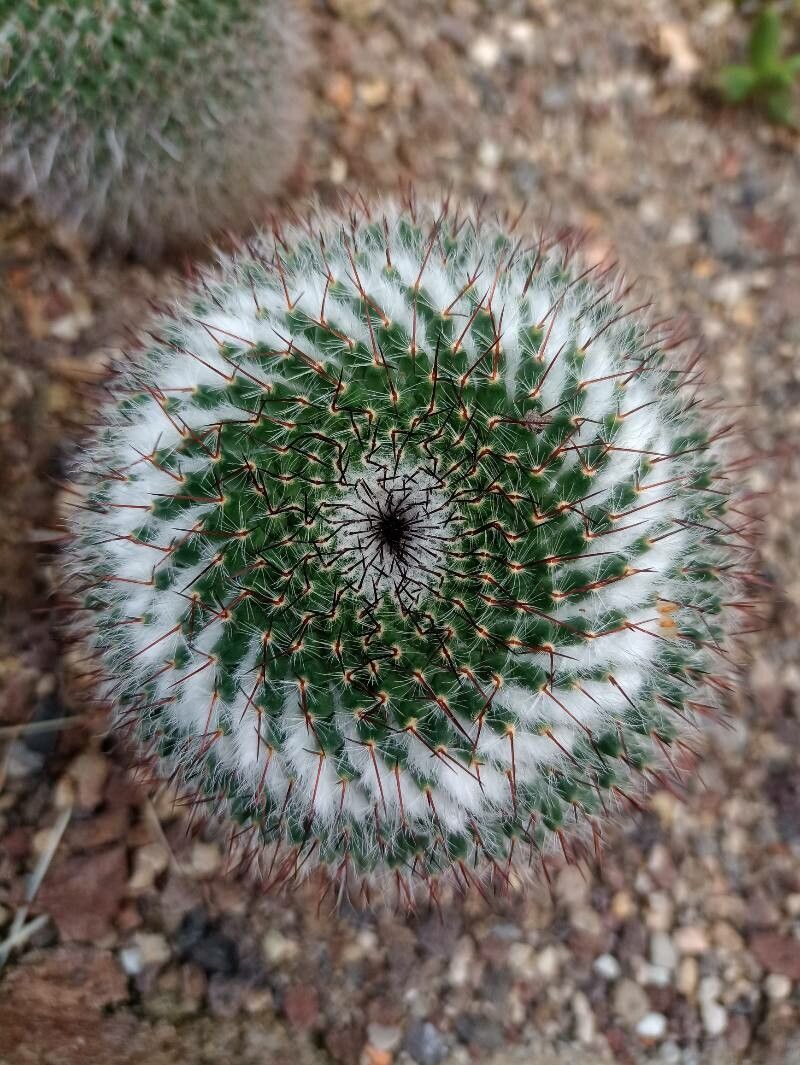
Hello, fellow plant enthusiasts! Today, we’re diving into the wonderful world of propagating Mammillaria flavicentra. This little cactus, with its crown of delicate golden spines and cheerful pink flowers, is a real gem in any collection. I’ve been growing and sharing these beauties for years, and let me tell you, propagating them is a truly satisfying endeavor. It’s like watching tiny miracles bloom right before your eyes!
Now, for the good news: Mammillaria flavicentra is quite forgiving, making it a fantastic choice for beginners looking to expand their cactus family. You don’t need to be a seasoned pro to succeed with these charming plants.
The Best Time to Start
The absolute sweet spot for propagating Mammillaria flavicentra is during its active growing season. This typically falls between late spring and early summer. You’ll know your plant is ready when it’s actively producing new growth and looking plump and healthy. Trying to propagate in the dead of winter, when the plant is dormant, is like trying to bake cookies with cold ingredients – it just won’t work as well!
Supplies You’ll Need
Gathering your tools beforehand makes the process so much smoother. Here’s what I always have on hand:
- Well-draining cactus and succulent soil mix: A blend of potting soil with plenty of perlite or pumice is ideal. You can also buy pre-made cactus mixes.
- Sharp, clean pruning shears or a sharp knife: Sterilize them with rubbing alcohol to prevent disease.
- Gloves: Those golden spines can be surprisingly sharp!
- Rooting hormone (optional but recommended): This can give your cuttings a helpful boost.
- Small pots or seedling trays: Make sure they have drainage holes.
- A spray bottle: For gentle watering.
- A shallow tray or saucer: For bottom watering.
- Perlite or coarse sand (for top dressing): Helps keep moisture levels consistent and spiky bits off the soil.
Propagation Methods
Mammillaria flavicentra is a master of producing offsets, which are essentially little baby cacti that sprout from the base of the mother plant. This is hands-down the easiest and most common way to multiply them.
Method 1: Offset Separation (The Easiest Way!)
- Gently remove the mother plant from its pot. You might need to tap the sides of the pot firmly to loosen the soil.
- Carefully inspect the base of the mother plant. You’ll see small baby cacti, often looking like little fuzzy knobs, attached to the main stem.
- Identify a good-sized offset that has a clear point of attachment.
- Using your sterilized knife or shears, gently twist or cut the offset away from the mother plant. Try to get it as close to the main stem as possible without damaging either plant.
- Let the offset ‘callus over’. This is super important! Place the newly separated offset in a dry, airy spot out of direct sunlight for 2-5 days. This allows the cut surface to dry and form a protective scab. Skipping this step is a recipe for rot.
- Prepare your small pot with the well-draining cactus mix.
- Gently press the callused offset into the soil, ensuring the cut end is making good contact. You don’t need to bury it deeply; just an inch or so is usually fine.
- Add a light top dressing of perlite or coarse sand around the base. This helps keep the stem dry.
- Do not water immediately. Wait about a week to give the offset any time to settle in and for any tiny remaining cuts to heal further.
Method 2: Stem Cuttings (A Bit More Advanced)
While offsets are the norm, sometimes you might want to take a piece of the main stem.
- Choose a healthy, mature stem that looks robust.
- Using your sterilized shears, make a clean cut.
- Allow the cutting to callus over for at least a week, or even two, until the cut end is completely dry and firm. This is critical to prevent rot.
- Once callused, plant the cutting into your prepared cactus mix as described in the offset separation method. Again, resist the urge to water right away.
The “Secret Sauce” (Pro Tips)
Here are a few things I’ve learned over the years that make a big difference:
- Don’t be afraid of the dryness. Cacti thrive on neglect, especially when they’re trying to root. Overwatering is the number one killer of new propagations. I mean it – err on the side of too dry.
- Bottom heat is your friend. If you’re struggling with rooting, especially in cooler weather, popping your pots on a seedling heat mat can significantly speed things up. It mimics the warmer soil temperatures that cacti love.
- Patience is key, especially with spines. When preparing offsets, I sometimes use a small stick to gently coax them away from the mother plant. Don’t try to hack them off if they seem stubbornly attached; a gentle twist is usually better.
Aftercare & Troubleshooting
Once your propagation starts showing signs of life – usually a tiny bit of new growth at the top or a slight plumping – it’s time for very gentle watering.
- Watering: Start by bottom watering. Place your pot in a shallow tray filled with about an inch of water. Let the soil wick up moisture for about 15-30 minutes, then remove the pot and let any excess drain away. Do this only when the soil is completely dry to the touch. A good rule of thumb is to water perhaps once every 2-3 weeks initially.
- Light: Place your new propagations in a bright, indirect light location. Avoid intense, direct sun for the first few weeks to prevent scorching.
- Signs of Failure: The biggest culprit is rot. If your propagation turns mushy, dark brown or black, or starts to collapse, it’s likely rotted. This is almost always due to too much moisture. If you catch it early, you might be able to cut away the rotted part, let the healthy section callus, and try again, but often it’s a lost cause. If your propagation just seems to shrivel and dry out, it might be too dry, or it just didn’t develop roots.
A Little Encouragement
Propagating Mammillaria flavicentra is a journey, and like any good garden adventure, it requires a little patience and observation. Don’t get discouraged if your first attempt isn’t perfect. Learn from it, adjust your approach, and try again. The joy of seeing those tiny offsets mature into beautiful, flowering cacti is absolutely worth the effort. Happy propagating!
Resource: