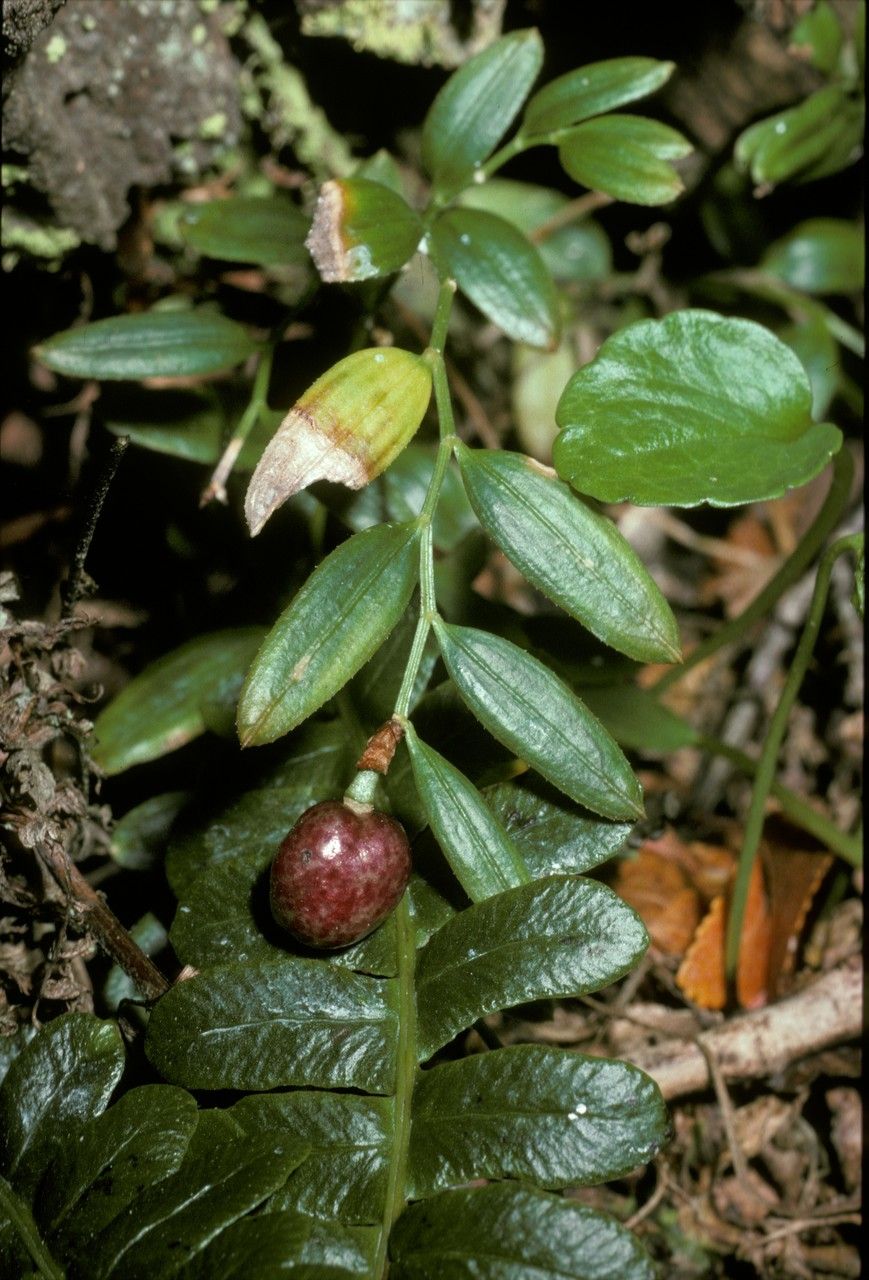
Ah, Luzuriaga marginata! You know, when I first discovered this lovely plant, I was smitten. Its delicate, bell-shaped flowers and the glossy, deep green leaves just have a way of brightening up any shady corner. And the best part? Propagating it is a truly rewarding experience. It’s not exactly a beginner’s walk in the park, but with a little patience and these tips, you’ll be well on your way to a whole new clutch of these beauties.
The Best Time to Start
For Luzuriaga marginata, spring is your golden ticket. That lush new growth you see emerging after the colder months? That’s exactly what we’re after. Aim to take cuttings when the plant is actively growing, but before it gets too leggy and stressed by summer heat. Early to mid-spring usually gives you the best chance for strong root development.
Supplies You’ll Need
Here’s what you’ll want to have handy:
- Sharp pruning shears or a clean knife: For making clean cuts.
- Rooting hormone powder or gel: This is a real game-changer, giving your cuttings a helpful boost. Look for one formulated for semi-hardwood cuttings.
- Well-draining potting mix: I like a blend of perlite, peat moss, and a bit of coir for my cuttings. A commercial seed-starting mix can also work well.
- Small pots or trays: Clean ones are a must!
- Plastic bags or a propagator lid: To keep humidity high.
- Perlite or gravel: For drainage in the bottom of pots.
- Watering can with a fine rose: Gentle watering is key.
Propagation Methods
I find that stem cuttings are the most reliable way to multiply Luzuriaga marginata. Here’s how I do it:
- Select your cuttings: Look for healthy, non-flowering stems that are about 4-6 inches long. You want stems that are somewhat firm but still bendy – not completely woody, but not alarmingly soft either. These are often called semi-hardwood cuttings.
- Make the cut: Using your clean shears or knife, make a clean cut just below a leaf node (where a leaf attaches to the stem). This is where the magic of root formation happens.
- Prepare the cutting: Gently remove the lower leaves from the cutting, leaving just a few leaves at the top. If the leaves are very large, you can even cut them in half to reduce water loss.
- Apply rooting hormone: Dip the cut end of the stem into your rooting hormone. Gently tap off any excess powder.
- Potting up: Fill your clean pots with your prepared potting mix. Make a small hole in the center of the soil with your finger or a pencil.
- Insert the cutting: Place the prepared cutting into the hole, ensuring the rooting hormone-coated end is in contact with the soil. Firm the soil gently around the stem to support it. I often pop a bit of perlite or gravel in the bottom of the pot first for extra drainage.
- Water gently: Water thoroughly but carefully with your fine-rose watering can. You don’t want to dislodge the cutting.
- Create a humid environment: Pop a plastic bag over the pot, securing it around the rim with a rubber band, or simply place a propagator lid over your tray. This traps humidity, which is crucial for cuttings to root.
The “Secret Sauce” (Pro Tips)
Here are a couple of my little tricks that have really helped me over the years:
- Don’t let leaves touch the water (if you decide to try water propagation, which I’m less keen on for this plant, but if you do): If any leaves dip into the water, they’ll just rot and can take the whole cutting down with them. Always aim to have the stem only in the water.
- Bottom heat is your friend: If you have a heated propagator mat, placing your pots on it can significantly speed up root development. It mimics the warmth of spring soil nicely. Just make sure the heat isn’t too intense – you don’t want to cook your cuttings!
- Sterilize, sterilize, sterilize: I can’t stress this enough. Cleanliness is paramount. Even a tiny bit of fungus can ruin your efforts.
Aftercare & Troubleshooting
Once your cuttings are potted, place them in a bright location out of direct sunlight. Keep the soil consistently moist but not waterlogged. That plastic bag or propagator lid should help maintain humidity.
You’ll know your cuttings have rooted when you see new growth appearing, or when you gently tug on a cutting and feel resistance. This can take anywhere from 4-8 weeks, sometimes longer. Once they’re well-rooted, you can gradually acclimatize them to lower humidity by opening the bag for short periods each day before removing it entirely.
The most common issue is rot. If you see your cuttings wilting, turning mushy, or developing black spots, it’s usually a sign of too much moisture and not enough air circulation. Unfortunately, once rot sets in, it’s hard to save them. This is why starting with clean tools, good drainage, and avoiding overwatering is so important.
A Encouraging Closing
Growing new plants from cuttings is such a rewarding journey. It takes a little bit of patience, a bit of observation, and maybe a few attempts before you perfect it. But trust me, the feeling of seeing those first tiny roots emerge from a cutting you nurtured is just wonderful. So, dive in, enjoy the process, and soon you’ll have more Luzuriaga marginata to share or simply to fill your own garden with their charm. Happy growing!
Resource: