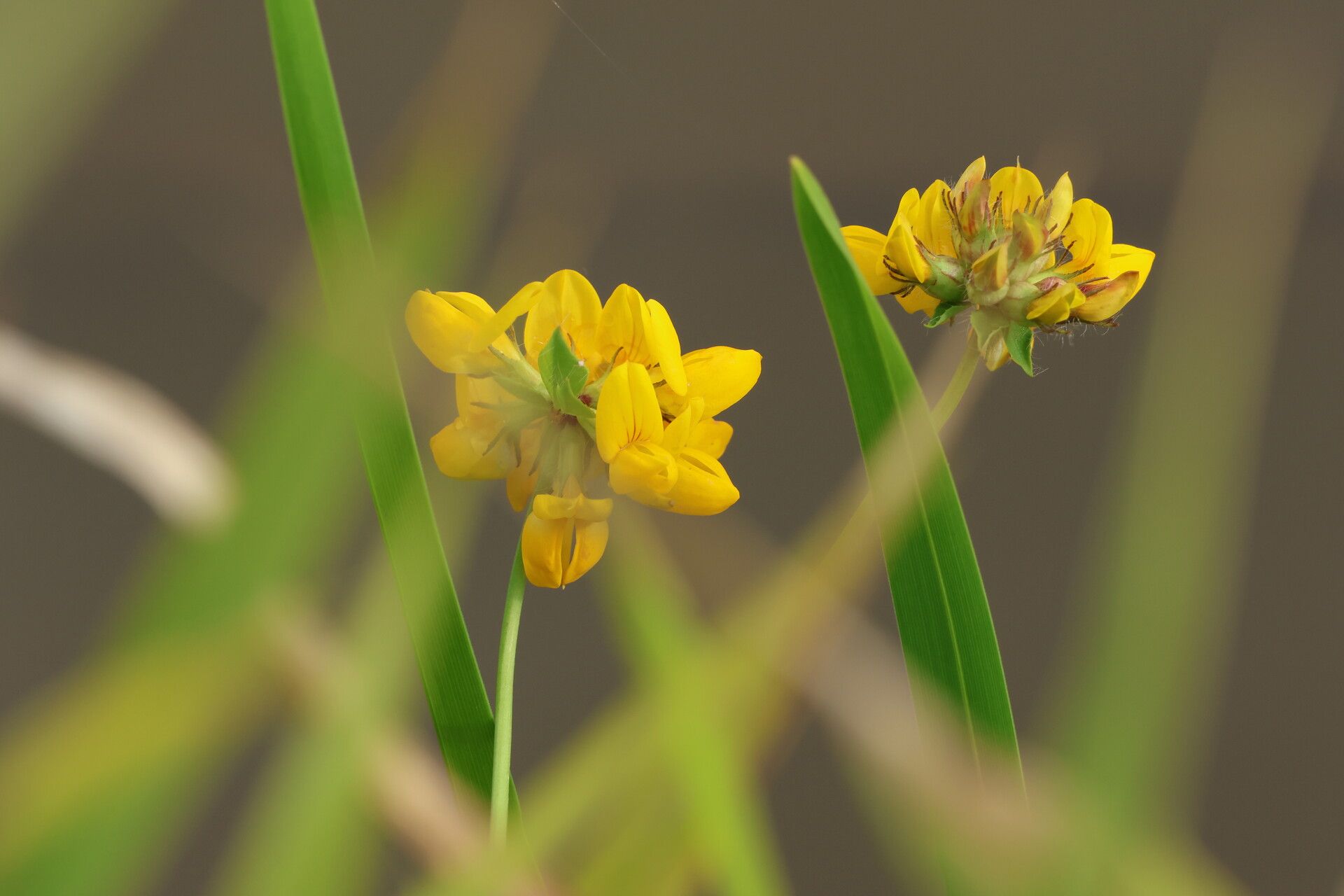
Hello fellow garden enthusiasts! Today, we’re diving into the magical world of propagating Lotus arenarius, also known as the Sand Lotus. If you’ve ever marveled at its delicate, papery flowers and intriguing seed pods, you know how much joy these plants bring. Creating more of these beauties from your existing ones is a truly rewarding experience. While it might sound a bit intimidating, I’ve found that with a little know-how and patience, Sand Lotus propagation is quite achievable, even for those of you who are still building your green thumbs.
The Best Time to Start
For the highest success rate when propagating Sand Lotus, late spring to early summer is your sweet spot. This is when the plant is in its active growing season and has plenty of energy to put towards developing new roots. You’ll want to work with healthy, mature plants that are showing strong signs of growth.
Supplies You’ll Need
Here’s a little kit to get you going:
- Sharp, sterile pruning shears or a sharp knife: For making clean cuts.
- A well-draining potting mix: I like a blend of compost, sand, and perlite for this.
- Small pots or trays: For your new cuttings or divisions.
- Rooting hormone (optional but helpful): Especially for cuttings.
- Watering can (with a fine rose attachment): To avoid disturbing delicate new plants.
- A spray bottle: For misting.
- A sunny windowsill or a warm propagation mat: To provide ideal conditions.
Propagation Methods
I’ve found two reliable ways to multiply your Sand Lotus:
Stem Cuttings
This is a fantastic way to get a jumpstart on new plants.
- Take your cuttings: On a bright, non-rainy morning, select a healthy stem that has at least two sets of leaves. Using your sterile shears, make a clean cut just below a leaf node (where a leaf attaches to the stem). Aim for cuttings that are about 4-6 inches long.
- Prepare the cutting: Gently remove the lower leaves from your cutting, leaving just the top two or three intact. If there are any flower buds or developing seeds, pinch them off – save that energy for rooting!
- Apply rooting hormone (optional): Dip the cut end into rooting hormone, tapping off any excess.
- Plant your cutting: Fill your small pot with your prepared potting mix. Make a little hole with your finger or a pencil and gently insert the cut end of your Sand Lotus stem. Firm the soil gently around it.
- Water and cover: Water the soil thoroughly but avoid waterlogging. You can cover the pot with a clear plastic bag or place it in a propagator to maintain humidity. This is crucial!
- Place in a warm spot: Find a bright, indirect light location.
Division
This method works best when your Sand Lotus plant is looking a bit overcrowded, typically after a few years.
- Prepare for division: Gently remove the entire Sand Lotus plant from its pot. If it’s in the ground, carefully dig around it to loosen the root ball.
- Examine the root ball: Gently shake off excess soil to get a good look at the roots and crowns. You’re looking for distinct sections that have their own roots and at least one healthy shoot or growing point.
- Make the cuts: Using your sharp knife or shears, carefully divide the plant into sections. Be as gentle as possible with the roots. Each division should have a good amount of roots and at least one viable shoot.
- Pot up the divisions: Plant each division into its own pot filled with your well-draining potting mix. Ensure the crown (where the stem emerges from the roots) is just at the soil surface.
- Water thoroughly: Water each potted division well.
The “Secret Sauce” (Pro Tips)
Here are a couple of things I’ve learned along the way that make a big difference:
- Don’t let the leaves touch the water: If you’re doing stem cuttings in water (which I sometimes do as a quick way to see root development), make sure the leaves are above the water line. Any submerged leaves will rot and can infect your cutting.
- Bottom heat is your friend: For stem cuttings, providing gentle bottom heat (around 70-75°F or 21-24°C) can significantly speed up root formation. A heat mat designed for propagation is perfect for this.
Aftercare & Troubleshooting
Once you see signs of rooting – usually small white nubs on the stem or new growth from a division – it’s time to adjust your care.
- Gradually introduce to less humidity: If you were using a plastic bag or propagator, start to open it up a bit each day to acclimate your new plant to normal air.
- Water consistently: Keep the soil evenly moist but not soggy. Let the top inch of soil dry slightly between waterings.
- Watch for signs of rot: The biggest culprit for failure is usually overwatering and poor drainage, leading to rot. If your cutting turns black and mushy, or if a division wilts and the stems feel soft and slimy, it’s likely succumbed to rot. Discard any affected material immediately to prevent it from spreading.
Keep Growing!
Propagating Sand Lotus is a journey, and like any good garden adventure, it requires a bit of patience. Don’t be discouraged if your first attempt isn’t a roaring success. Learn from it, adjust your approach, and celebrate each little victory – that first tiny root, that new leaf unfurling. Enjoy the process and soon you’ll be surrounded by even more of these lovely Sand Lotuses!
Resource:
https://identify.plantnet.org/k-world-flora/species/Lotus%20arenarius%20Brot./data