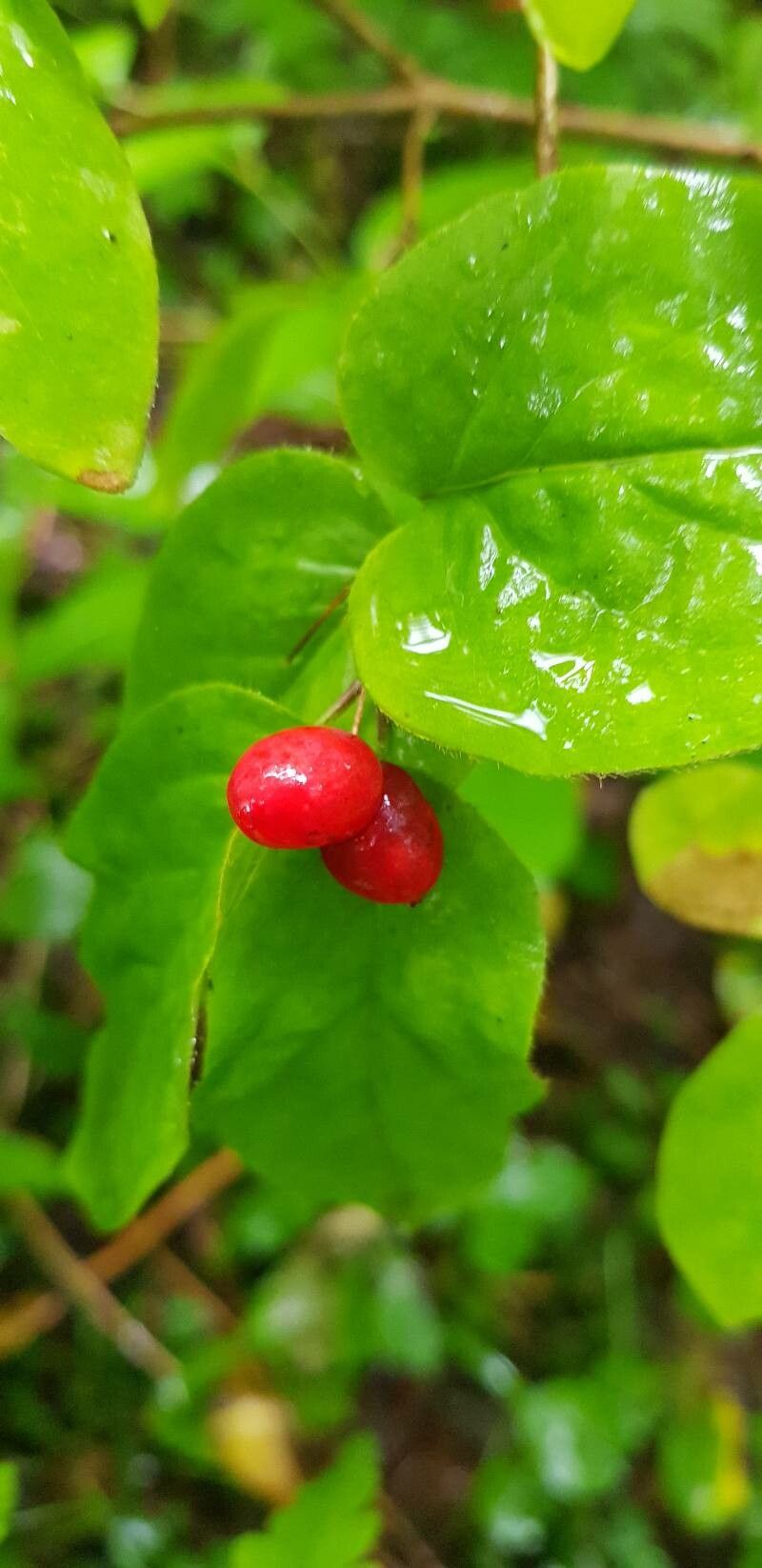
Oh, I’m so excited to chat with you about propagating the lovely Lonicera canadensis, or as many of us know and love it, Canada Honeysuckle! If you adore those delicate, tubular, often fragrant flowers held in dainty clusters, and the delightful buzz of pollinators they attract, then you’re in for a treat. Growing more of these beauties from your existing plants is incredibly satisfying. It’s like giving the gift of more joy, and honestly, Canada Honeysuckle is quite forgiving, making it a wonderful project for even those just dipping their toes into the propagation pool.
The Best Time to Plant Your Seeds of Success
For Lonicera canadensis, the absolute sweet spot is late spring to early summer. This is when the plant is actively growing, and you can take what gardeners call “softwood cuttings.” These are young, flexible stems that root much more readily than the woody stems of mature plants. You can sometimes get away with taking cuttings a bit later in the summer, but early on is typically your best bet for a strong start.
Your Propagation Toolkit
Gathering your supplies beforehand makes the whole process so much smoother. Here’s what I always have on hand:
- Sharp Pruning Shears or a Craft Knife: Clean cuts are vital for healthy rooting.
- Rooting Hormone (Optional but helpful): A little boost can significantly increase your success rate, especially for beginners. Look for one that contains IBA.
- Gritty Potting Mix: A blend of peat moss or coco coir, perlite, and a bit of compost works beautifully. You want something that drains well. My go-to is a 1:1:1 ratio.
- Small Pots or Seedling Trays: Clean containers are a must to prevent disease.
- Clear Plastic Bag or Dome: This creates a humid microclimate, which is crucial.
- Watering Can with a Fine Rose: Gentle watering prevents disturbing your cuttings.
- Labels and a Pen: You’ll thank yourself later when you have multiple plants!
Nurturing New Life: Stem Cuttings
This is my favorite and most reliable method for Lonicera canadensis.
- Select Your Cuttings: Head out to your healthy Canada Honeysuckle plant. Look for a stem that’s bright green and flexible, often called a “current season’s growth.” You want to snip pieces that are about 4 to 6 inches long. Make your cut just below a leaf node (where the leaves attach to the stem).
- Prepare the Cutting: Gently strip off the leaves from the bottom half of the cutting. If your remaining leaves are quite large, you can even snip them in half horizontally to reduce water loss through transpiration.
- Apply Rooting Hormone (If Using): Dip the cut end of the stem into your rooting hormone powder or gel. Tap off any excess.
- Plant Your Cuttings: Fill your small pots with your prepared gritty mix. Make a hole in the center with a pencil or your finger. Insert the prepared cutting into the hole, taking care not to brush off too much of the rooting hormone. Firm the soil gently around the base of the stem.
- Water Gently: Water the pot thoroughly but gently with your fine-rose watering can until water drains from the bottom.
- Create a Humid Environment: Place a clear plastic bag over the pot, supporting it with a stick or two so the bag doesn’t touch the leaves. Alternatively, use a clear plastic dome. This traps moisture and keeps your cutting happy.
- Place in Bright, Indirect Light: Find a spot for your pots that gets lots of bright light but no direct, hot sun. A nice bright windowsill is perfect.
My Little “Secret Sauce” Tips
- The “No Water Touch” Rule: If you ever try water propagation (which can work for some honeysuckles, but I find cuttings more reliable for this specific one), it’s critical that the leaves don’t sit in the water. Rot sets in incredibly fast if they do! For stem cuttings in soil, this isn’t an issue, but it’s a good general principle to remember.
- Bottom Heat is Your Friend: If you have a heat mat designed for seedlings, popping your pots on top of it makes a world of difference. This gentle warmth encourages root development from below, mimicking spring soil temperatures. You’ll be amazed at how much faster your cuttings root.
Aftercare: Patience and Observation
Now comes the waiting game! Keep the soil consistently moist but not soggy – like a wrung-out sponge. Check the humidity under the plastic bag regularly; you want to see condensation, but if it’s dripping excessively, vent it for a few hours.
You’ll know your cutting has successfully rooted when you feel gentle resistance if you try to tug on it ever so slightly. You might also see new leaf growth emerging. This usually takes 3 to 6 weeks.
If your cuttings start to look yellow and limp, or if you see fuzzy grey or black mold on the stem or soil, that’s usually a sign of rot. This can happen if the soil is too wet or if there’s not enough air circulation. Unfortunately, once rot sets in, it’s hard to save them. Don’t be discouraged if some don’t make it – it happens to us all! Just pull out the affected ones and try again.
Once your little honeysuckles have a good root system, you can carefully transplant them into slightly larger pots. Continue to keep them well-watered.
See? It’s really not that daunting! Propagating Lonicera canadensis is a beautiful way to deepen your connection with your garden and share the joy of its blooms. Be patient with yourself and the process. Happy propagating!
Resource: