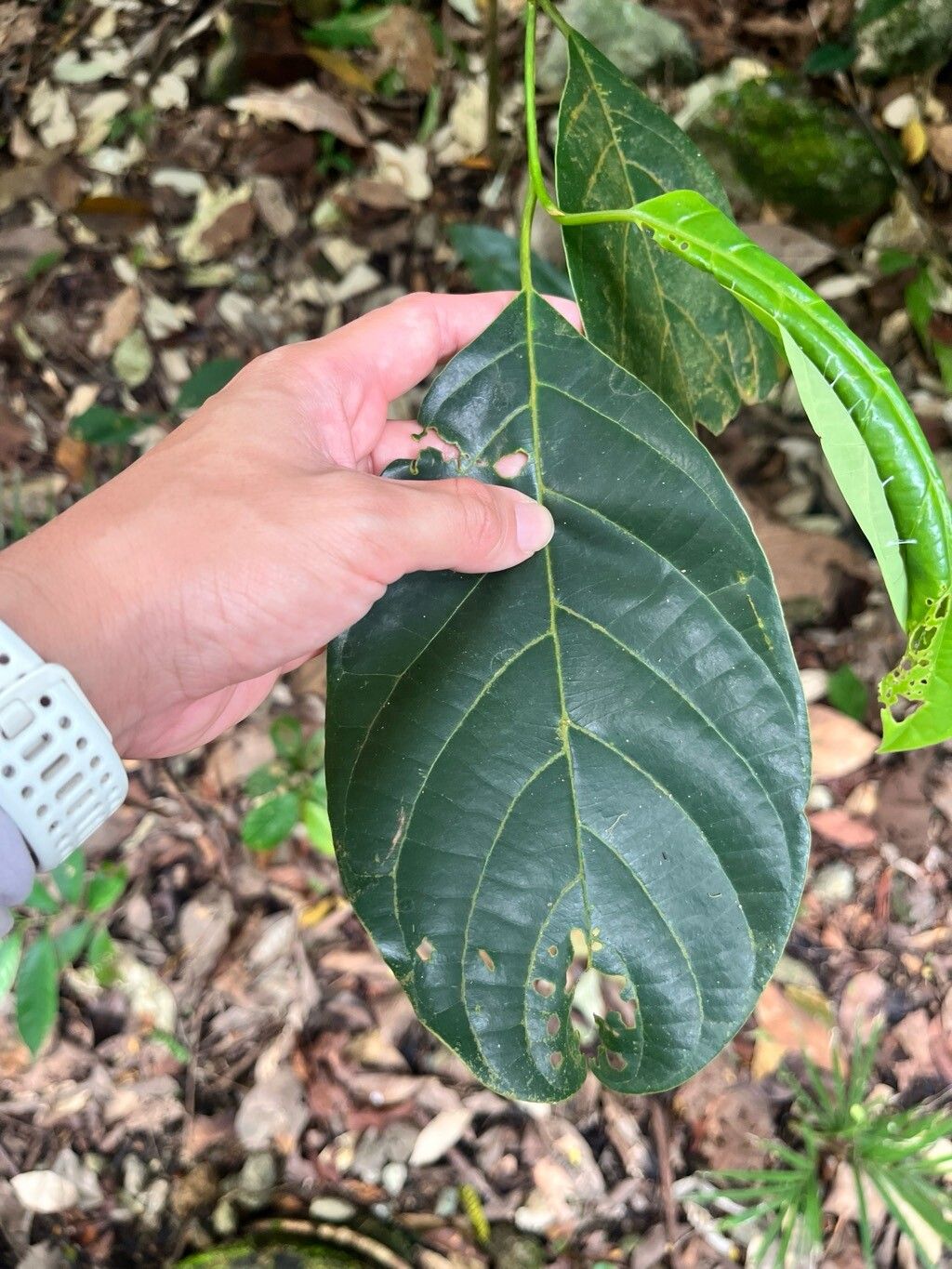
Hello fellow plant enthusiasts! Today, we’re diving into the wonderful world of propagating Litsea elliptica, also known commonly as the “May Chang” or “Mountain Pepper.” If you adore that incredible, zesty citrus fragrance that this lovely shrub releases when you brush against its leaves, then you’re in for a treat. Not only is it a joy to have in the garden or on the patio, but creating new plants from your own is incredibly satisfying. While it’s not quite a “stick it in the ground and forget it” kind of plant, propagating Litsea elliptica is definitely achievable for the enthusiastic beginner. You just need a little patience and the right approach.
The Best Time to Start
For the highest success with propagating Litsea elliptica, I always find that late spring to early summer is your sweet spot. This is when the plant is actively growing, brimming with energy, and has plenty of fresh, new material to work with. Starting cuttings when the plant is in active growth means they have a better chance of establishing roots before the cooler months set in.
Supplies You’ll Need
To get started on your propagation adventure, you’ll want to gather a few essentials:
- Sharp Pruning Shears or a Knife: Clean is key! Disinfect them with rubbing alcohol.
- Rooting Hormone (Optional but Recommended): A powder or gel to give your cuttings a little boost.
- Well-Draining Potting Mix: I like a 50/50 blend of perlite and a good quality potting soil, or a specialized seedling mix.
- Small Pots or Trays: Clean, with drainage holes!
- Plastic Bag or Propagation Dome: To create a humid environment.
- Watering Can or Spray Bottle: For gentle hydration.
- Labeling Sticks: To keep track of your new plant babies!
Propagation Methods
Let’s get our hands dirty – or rather, our hands clean and ready!
Stem Cuttings – My Go-To Method
This is generally the most reliable way to propagate Litsea elliptica from what I’ve experienced.
- Take Your Cuttings: Head out to your healthy Litsea elliptica plant. Look for semi-hardwood stem sections – these are stems that are not brand new and soft, but not old and woody either. They should be a bit pliable. Aim for cuttings about 4 to 6 inches long. Make a clean cut just below a leaf node (where a leaf attaches to the stem).
- Prepare the Cuttings: Gently remove the lower leaves, leaving just a few at the top. If your leaves are very large, you can even cut them in half to reduce water loss.
- Apply Rooting Hormone: Dip the cut end of each prepared cutting into your rooting hormone, tapping off any excess.
- Plant Your Cuttings: Fill your small pots or trays with your prepared potting mix. Make a pilot hole with a pencil or your finger to avoid rubbing off the rooting hormone. Insert the cuttings into the holes, ensuring the leaf nodes that were buried are submerged. Firm the soil gently around them.
- Create Humidity: Water the soil thoroughly but gently. Then, cover the pots with a plastic bag or place them under a propagation dome. This creates a mini-greenhouse effect, keeping the humidity high, which is crucial for cuttings that can’t yet absorb water from their roots.
The “Secret Sauce” (Pro Tips)
Here are a few things I’ve learned over the years that can really make a difference:
- Don’t Let Those Cuttings Drown: If you’re trying water propagation (which you can experiment with for Litsea, though I find it less reliable for this specific plant), it’s vital that no leaves touch the water. Only the cut stem end should be submerged. Any submerged leaves are a prime spot for rot to set in quickly.
- Bottom Heat is Your Friend: For stem cuttings, placing your pots on a gentle heat mat can significantly speed up root development. It mimics the warmth of spring and encourages those roots to form faster. Keep the mat on low or medium.
Aftercare & Troubleshooting
Once your cuttings are planted, the waiting game begins!
- Location, Location, Location: Place your cuttings in a bright spot with indirect light. Avoid direct sun, which can scorch those delicate leaves or dry out the cuttings too quickly.
- Keep it Moist, Not Soaked: Check the soil moisture regularly. You want the soil to stay consistently moist but not waterlogged. If you’re using a plastic bag, you might only need to water very infrequently. Mist the leaves occasionally if you notice them looking a bit limp.
- The Rooting Check: After a few weeks, you can gently tug on a cutting. If you feel resistance, that’s a good sign roots are forming! You can also look for signs of new growth at the top.
- Rot Happens: The most common issue is rot. If you see your cuttings turning black and mushy, or developing fuzzy mold, it’s usually a sign of too much moisture or poor air circulation. Sadly, these are usually beyond saving. Discard any rotten material immediately to prevent it from spreading. Clean up your tools and try again with fresh cuttings and slightly drier conditions.
A Encouraging Closing
And there you have it! Propagating Litsea elliptica is a wonderful way to multiply that delightful fragrance in your life. Remember, patience is your best tool. Not every cutting will make it, and that’s perfectly okay. Each attempt is a learning experience. Take the time to enjoy the process, from taking the cuttings to seeing those first tiny roots emerge. Happy propagating, and may your gardens be filled with the scent of May Chang!
Resource:
https://identify.plantnet.org/k-world-flora/species/Litsea%20elliptica%20Blume/data