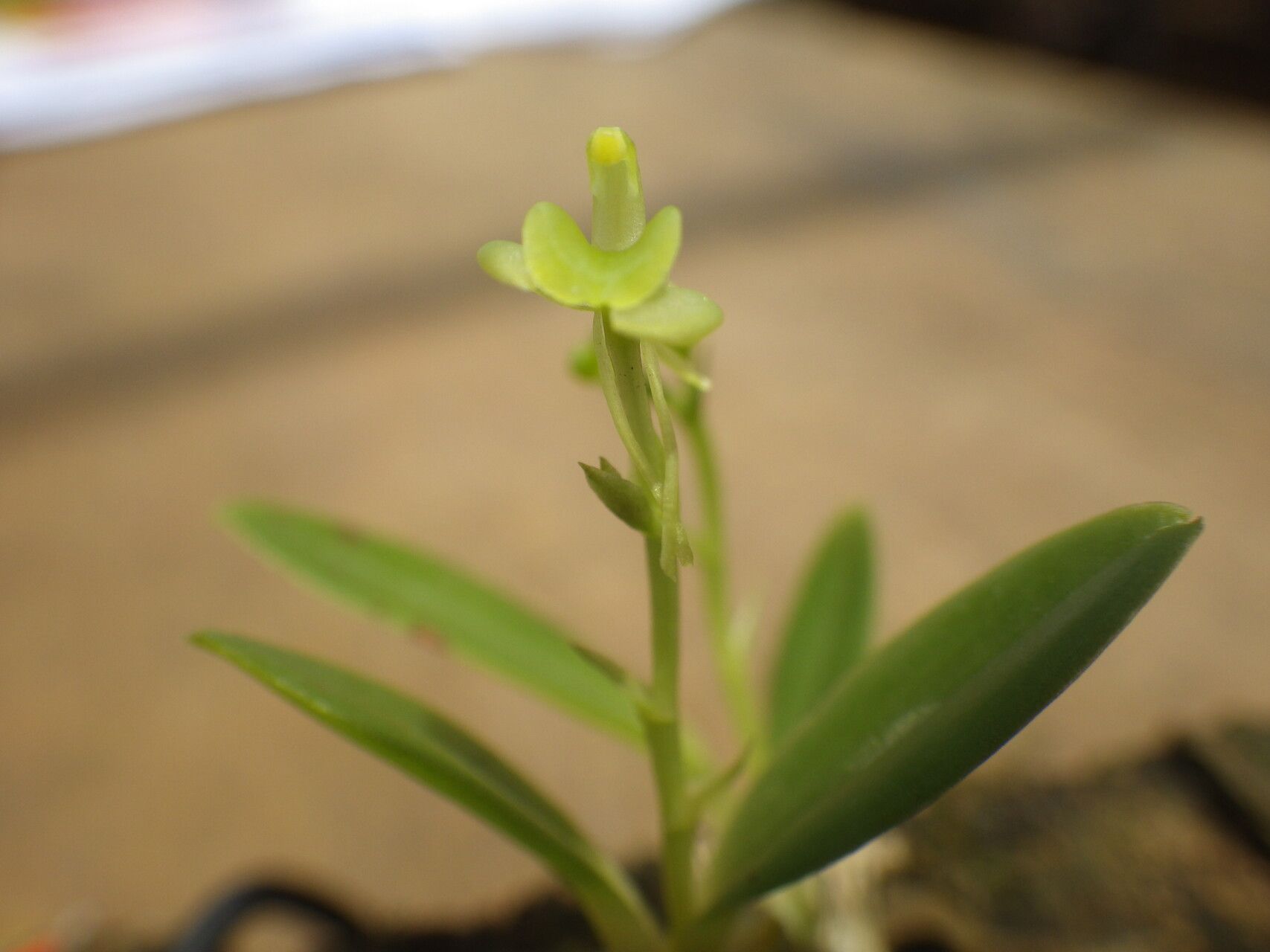
Hello, fellow plant lovers! Today, we’re diving into the wonderful world of propagating Liparis epiphytica. If you’ve ever admired this delicate orchid with its charming blooms, you’re in for a treat. Growing new plants from an existing one is one of the most satisfying parts of gardening, and Liparis epiphytica is no exception. While some orchids can be a bit intimidating, this one is surprisingly forgiving, making it a fantastic choice even if you’re just dipping your toes into orchid propagation.
The Best Time to Start
For Liparis epiphytica, the sweet spot for propagation is generally late spring to early summer. This is when the plant is actively growing after its rest period. You’ll typically see new pseudobulbs forming or increasing root activity. Starting during this active growth phase gives your cuttings or divisions the best chance to establish themselves quickly.
Supplies You’ll Need
Getting your workspace ready makes the whole process smoother. Here’s what I usually have on hand:
- Sharp, sterile pruning shears or a clean knife: For making clean cuts. Sterilize with rubbing alcohol or a bleach solution.
- Orchid bark mix: A well-draining blend is crucial. I like a mix of medium-grade bark, perlite, and a touch of charcoal.
- Sphagnum moss: Excellent for retaining a bit of moisture without getting waterlogged.
- Small pots or rooting containers: Clean plastic pots or even shallow trays work well.
- Rooting hormone (optional but helpful): A powder or gel can give your cuttings an extra boost.
- Watering can with a fine spray: For gentle hydration.
- Labels and a marker: To keep track of your precious propagations!
Propagation Methods
Liparis epiphytica can be propagated primarily through two methods: division and basal keikis (baby plants).
1. Division:
This is my go-to for Liparis epiphytica as it’s a straightforward way to create new plants from a mature specimen.
- Step 1: Assess Your Plant. Gently remove your Liparis epiphytica from its pot. Look for natural divisions – where the plant has grown into multiple sections, each with its own pseudobulbs and roots.
- Step 2: Carefully Separate. Using your sterile pruning shears or knife, gently cut through the rhizome (the creeping stem that connects the pseudobulbs) to separate the sections. Aim to leave at least two to three pseudobulbs and a good mass of healthy roots on each division.
- Step 3: Pot Up. Prepare your new pots with a well-draining orchid mix. Place each division in its pot, ensuring the roots are spread out nicely. The top of the rhizome should be at or slightly above the surface of the mix.
- Step 4: Water Sparingly. Water lightly after potting. You don’t want the new divisions to sit in soggy conditions.
2. Basal Keikis:
Sometimes, your Liparis epiphytica will produce miniature versions of itself, called keikis, at the base of existing pseudobulbs. These are tiny plantlets ready to become independent.
- Step 1: Look for Keikis. Inspect your plant for these little baby plants. They’ll typically have tiny pseudobulbs and possibly even small leaves.
- Step 2: Wait for Roots. It’s crucial to wait until the keiki has developed its own small roots before attempting to remove it. You’ll often see them dangling from the keiki’s base.
- Step 3: Gently Separate. Once roots are visible, carefully use your sterile knife to cut the keiki away from the mother plant, making sure to sever the connection cleanly. If possible, try to include a small piece of the mother plant’s rhizome with the keiki.
- Step 4: Potting. Pot the keiki in a small container with damp sphagnum moss or a very fine orchid mix. The moss helps keep the delicate young roots moist.
The “Secret Sauce” (Pro Tips)
Here are a few little tricks I’ve learned over the years that really help:
- Don’t Bury the Crown: This is especially important for divisions. The crown is the point where new growth emerges from the pseudobulb. Make sure the crown is exposed and not buried too deeply in the potting mix, or it’s prone to rot.
- Bottom Heat is Your Friend (for Divisions): If you’re propagating divisions, especially in cooler conditions, placing them on a propagation mat set to a gentle bottom heat (around 70-75°F / 21-24°C) can significantly speed up root development and recovery.
- Patience with Keikis: Keikis are delicate. Avoid the temptation to overwater them. Light misting and allowing the surface to dry slightly between waterings is usually ideal.
Aftercare & Troubleshooting
Once your Liparis epiphytica has been propagated, give it some tender loving care.
- Light: Place your new plants in bright, indirect light. Avoid direct sun, which can scorch their leaves.
- Watering: Water sparingly at first. Allow the potting mix to dry out slightly between waterings. For divisions, aim to keep the mix just moist. For keikis in sphagnum, you might mist daily or every other day, depending on your humidity.
- Humidity: Liparis epiphytica appreciates moderate to high humidity. You can increase it by placing pots on pebble trays or grouping them together.
Troubleshooting: The most common issue you’ll encounter is rot. This usually happens when the plant is kept too wet. If you notice pseudobulbs turning mushy or black, or if leaves start to yellow and fall off rapidly, it’s a sign of overwatering. Remove the affected plant from its pot, trim away any rotted material with your sterile knife, and allow it to dry for a day or two before repotting in fresh, dry mix. Sometimes, a bit of cinnamon powder applied to the cut surface can help prevent fungal issues.
A Little Patience Goes a Long Way
Propagating Liparis epiphytica is a wonderful way to expand your collection and share the joy of orchids. Don’t be discouraged if your first attempt isn’t perfect. Gardening is all about learning and observing. Be patient, enjoy the process, and before you know it, you’ll have a whole new batch of these lovely orchids to admire! Happy growing!
Resource:
https://identify.plantnet.org/k-world-flora/species/Liparis%20epiphytica%20Schltr./data