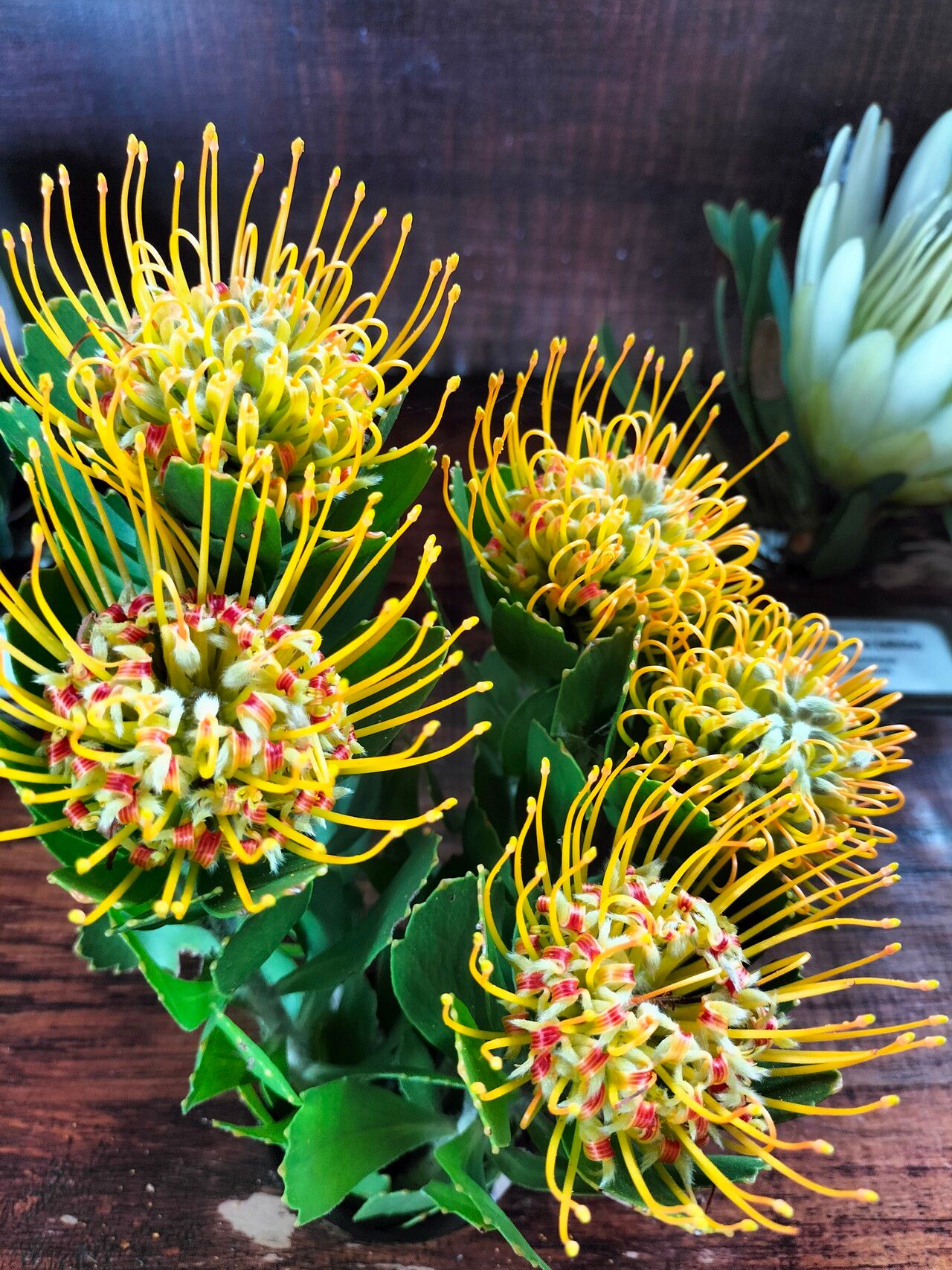
Oh, hello there, fellow garden enthusiast! Pull up a chair and let’s talk about one of my absolute favorites: Leucospermum cuneiforme, or as it’s often affectionately called, the Wedge-leaf Pincushion. If you’ve ever admired those vibrant, architectural blooms that just scream “wow!” in a garden, you know what I mean. They have this incredible ability to add texture and a splash of sunshine, even when they’re not in full flower.
Propagating these beauties is, I have to be honest, a little bit of a journey. It’s not the most beginner-friendly plant to start with, but don’t let that deter you! The satisfaction of coaxing a new little Pincushion into existence from a single cutting? It’s truly something special. And once you get the hang of it, you’ll be gifting these beauties to everyone you know.
The Best Time to Start
Timing is everything in the garden, and with Leucospermum cuneiforme, the sweet spot for propagation is generally in the late spring to early summer. You’re looking for semi-hardwood cuttings. This means the current season’s growth has started to firm up a bit, but it’s not old and woody yet. Think of it as that perfect stage of firm but still flexible. This is when the plant is actively growing and has the most energy to push out roots.
Supplies You’ll Need
Gathering your tools beforehand makes the whole process so much smoother. Here’s what I always have on hand:
- Sharp Pruning Shears or a Clean Knife: For taking clean cuts. Sterilize them with rubbing alcohol before and between plants.
- Rooting Hormone: A powder or gel designed for semi-hardwood cuttings will greatly increase your success rate.
- Well-Draining Potting Mix: This is CRUCIAL. A mix of coarse sand, perlite, and a little bit of peat moss or coco coir works wonders. You want air to circulate and water to drain freely. Avoid heavy, moisture-retentive soils.
- Small Pots or Seedling Trays: Clean pots are a must to prevent disease.
- Clear Plastic Bags or a Propagator Lid: To maintain humidity around your cuttings.
- Optional: Bottom Heat Mat: This can significantly speed up root development.
Propagation Methods: Stem Cuttings
For Leucospermum cuneiforme, stem cuttings are by far the most reliable and common method. Division isn’t really practical for these shrubs.
- Select Your Cuttings: Look for healthy, disease-free stems. You want pieces that are about 4-6 inches long. Gently snap or cut them just below a leaf node. A leaf node is where a leaf attaches to the stem – this is where the magic happens for root formation.
- Prepare the Cuttings: Remove the lower leaves from the cutting. You want to expose at least two leaf nodes. You can gently scrape away a thin sliver of bark from the bottom node if you like – some gardeners swear by this to encourage rooting.
- Apply Rooting Hormone: Dip the bottom inch or so of the cutting into your rooting hormone, tapping off any excess. Make sure the entire cut end is coated.
- Insert into Potting Mix: Fill your clean pots with your well-draining mix. Make a small hole with a pencil or dowel before inserting the cutting. This prevents the rooting hormone from rubbing off. Firm the mix gently around the base of the cutting. You can typically plant several cuttings in one pot, as long as they aren’t touching each other.
- Water Gently: Water the potting mix thoroughly until water drains from the bottom.
- Create a Humid Environment: Cover the pots with a clear plastic bag secured with a rubber band, or place them under a propagator lid. This helps keep the humidity high, which is vital for preventing cuttings from drying out before they can form roots. If you can, place the pots on a bottom heat mat set to around 70-75°F (21-24°C).
The “Secret Sauce” (Pro Tips)
Here are a few little tricks I’ve picked up over the years that really make a difference:
- Don’t Let Leaves Touch the Water: If you are using bottom watering (which is excellent for cuttings), ensure the leaves of your cuttings are not submerged in the water. This will almost always lead to rot. They should be sitting above the water level.
- The “Bend Test” is Your Friend: After a few weeks, when you think they might be rooted, a very gentle tug on a cutting is your best indicator. If there’s slight resistance, they’re likely starting to root. If they pull out easily, they haven’t taken yet.
- Air Circulation is Queen: While you want that high humidity, you also need to let the cuttings breathe occasionally. Open the plastic bag or propagator lid for about 15-30 minutes each day to allow for air exchange and prevent fungal issues.
Aftercare & Troubleshooting
Once you see new leaf growth, that’s a good sign your cuttings are rooting! You can start to gradually reduce the humidity by opening the bag for longer periods or propping up the lid. Continue to keep the potting mix consistently moist but not soggy.
The most common culprit for failure is rot. If your cutting turns mushy, black, or falls over, it’s likely succumbed to rot. This usually happens due to:
- Overwatering: The potting mix stays too wet for too long.
- Poor Drainage: The soil simply can’t shed excess water.
- Lack of Air Circulation: Stagnant, humid air can encourage fungal growth.
If you see a cutting showing signs of rot, remove it immediately to prevent it from spreading to others.
When your new Pincushions have a decent root system and are showing good top growth (usually after a couple of months), you can carefully transplant them into slightly larger pots with a fresh, well-draining mix.
A Warm Farewell
Propagating plants is a dance with nature, and sometimes, even with the best efforts, not every cutting will make it. That’s perfectly okay! The key is to be patient, observe your plants, and learn from each attempt. Enjoy the process of tending to these tiny beginnings, and celebrate every little success. Happy gardening!
Resource: