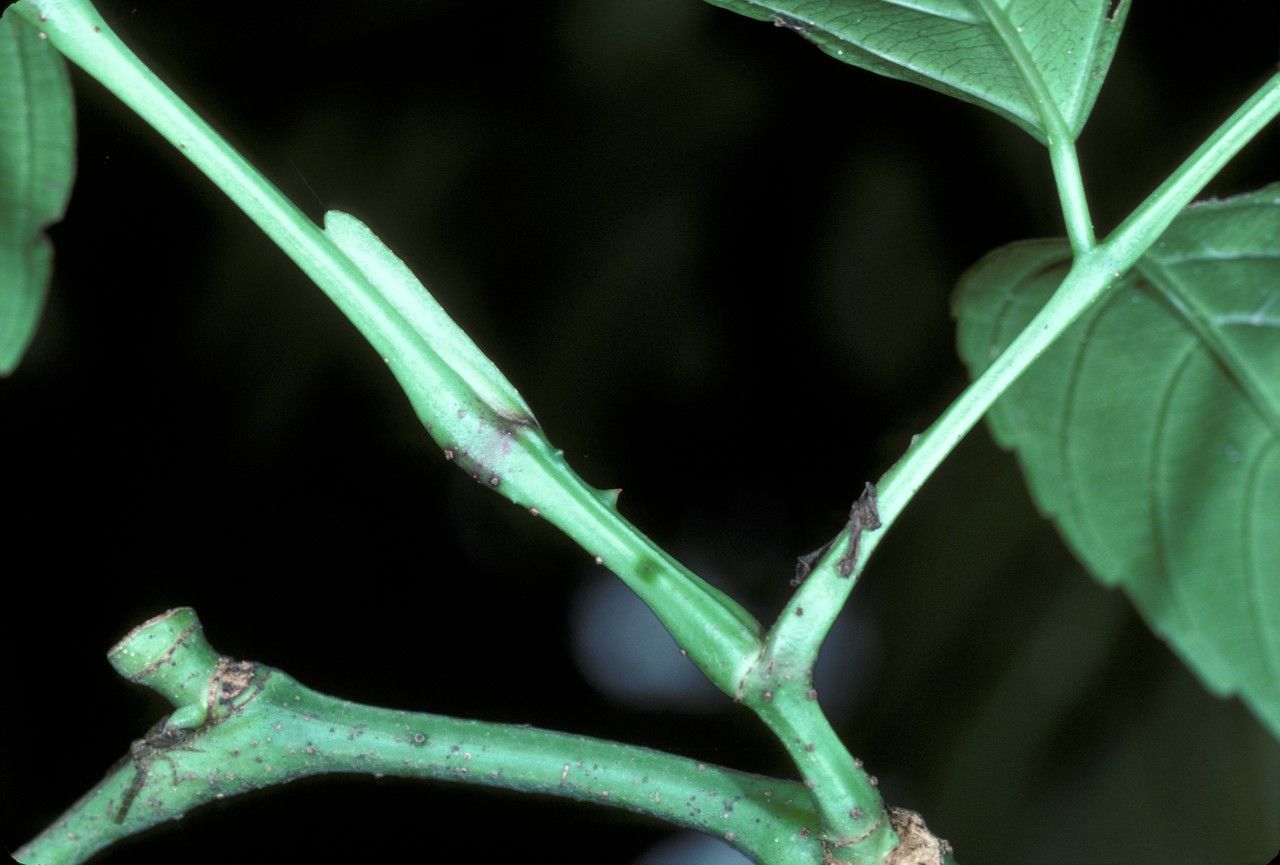
Hello, fellow plant enthusiasts! I’m so excited to dive into a plant that has brought so much joy to my garden and my propagating bench: the Leea aculeata. Often called the West Indian Holly or just Holly Bush, this beauty boasts gorgeous, glossy foliage, often with serrated edges that give it a wonderfully textured look. Beyond its aesthetic charm, propagating Leea aculeata is a deeply rewarding experience. Watching a tiny cutting transform into a robust new plant feels like magic, and it’s a fantastic way to fill your home or share with friends. If you’re new to plant propagation, I’d say Leea aculeata is moderately easy. A little attention to detail goes a long way!
The Best Time to Start
For the most success with your Leea aculeata cuttings, aim for the late spring or early summer. This is when the plant is in its most vigorous growing phase. You’ll be looking for healthy, new growth – usually bright green and somewhat soft, but not floppy. Avoid taking cuttings from woody, old stems if you can help it. New growth has the best chance of rooting quickly and successfully.
Supplies You’ll Need
Gathering your supplies beforehand makes the whole process flow much more smoothly. Here’s what I usually have on hand:
- Sharp pruning shears or a clean, sharp knife: For taking clean cuts that heal well.
- Rooting hormone powder or gel: This isn’t strictly essential for Leea aculeata, but it can significantly speed up the rooting process and improve success rates.
- Well-draining potting mix: I find a mix of peat moss, perlite, and a bit of compost works wonders. You can also use a good quality houseplant mix amended with extra perlite.
- Small pots or seedling trays: Clean pots are key to preventing disease.
- Plastic bags or a propagator: To create a humid environment for your cuttings.
- Watering can or spray bottle: For gentle watering.
Propagation Methods
Leea aculeata is wonderfully amenable to propagation by stem cuttings. This is my go-to method, and I think you’ll find it quite straightforward.
- Selecting Your Cutting: Gently inspect your parent plant. Look for a healthy stem that has started to harden off slightly but isn’t yet completely woody. Aim for a cutting that is about 4-6 inches long. Make your cut just below a leaf node (where a leaf attaches to the stem). This is where the magic happens for root development.
- Preparing the Cutting: Carefully remove the lower leaves from your cutting. You want to leave at least two to three sets of leaves at the top. This reduces water loss and prevents leaves from rotting in the soil.
- Applying Rooting Hormone: Dip the cut end of the stem into your rooting hormone powder or gel. Tap off any excess.
- Planting Your Cutting: Fill your clean pot with your prepared potting mix. Make a small pre-drilled hole in the center of the soil using a pencil or your finger. This prevents you from rubbing off the rooting hormone when you insert the cutting. Gently place the treated end of the cutting into the hole and firm the soil around it.
- Creating a Humid Environment: Water the soil gently until it’s moist, but not waterlogged. Then, cover the pot with a plastic bag or place it inside a propagator. You can prop the bag up with a few skewers so it doesn’t touch the leaves. This creates a mini-greenhouse effect, which is crucial for preventing the cutting from drying out.
The “Secret Sauce” (Pro Tips)
Having gardened for a while, I’ve learned a few tricks that really boost my propagation success. Here are my favorites for the Leea aculeata:
- Don’t Overwater: This is probably the most common mistake. When the soil is too wet, your cuttings are more likely to rot before they even have a chance to root. Aim for consistently moist, but not soggy, soil. I like to press down on the side of the pot; if water oozes out, it’s too wet.
- Bottom Heat is Your Friend: If you can, place your pots on a seedling heat mat. This gentle warmth encourages root development from below, mimicking natural conditions and giving your cuttings a real head start. It’s not strictly essential, but it makes a noticeable difference!
- Air Circulation Matters: While you want that humidity, don’t seal the pot completely tight for weeks on end. Open the plastic bag or propagator lid for about 15-30 minutes every couple of days. This allows for fresh air circulation and helps prevent fungal issues.
Aftercare & Troubleshooting
Once your cuttings have been sitting for a few weeks, you’ll want to start checking for roots. The best way to do this without disturbing them too much is to give them a gentle tug. If you feel resistance, you’ve got roots!
Once roots have formed, you can gradually remove the plastic cover over a few days to acclimate the new plant to normal humidity. Keep the soil consistently moist. You can also start feeding with a diluted liquid fertilizer once you see new leaf growth.
The most common issue you might encounter is rot. This usually manifests as a dark, mushy stem at the soil line. If you see this, unfortunately, the cutting is likely lost, and you’ll need to discard it and start again, paying close attention to watering and air circulation. Yellowing leaves could indicate overwatering or insufficient light. Brown, crispy leaf edges often mean it’s too dry.
With a little patience and these tips, you’ll be well on your way to a whole new family of beautiful Leea aculeata plants. Don’t get discouraged if your first few attempts aren’t perfect; nature is always teaching us. Enjoy the process, celebrate every tiny success, and happy propagating!
Resource:
https://identify.plantnet.org/k-world-flora/species/Leea%20aculeata%20Blume%20ex%20Spreng./data