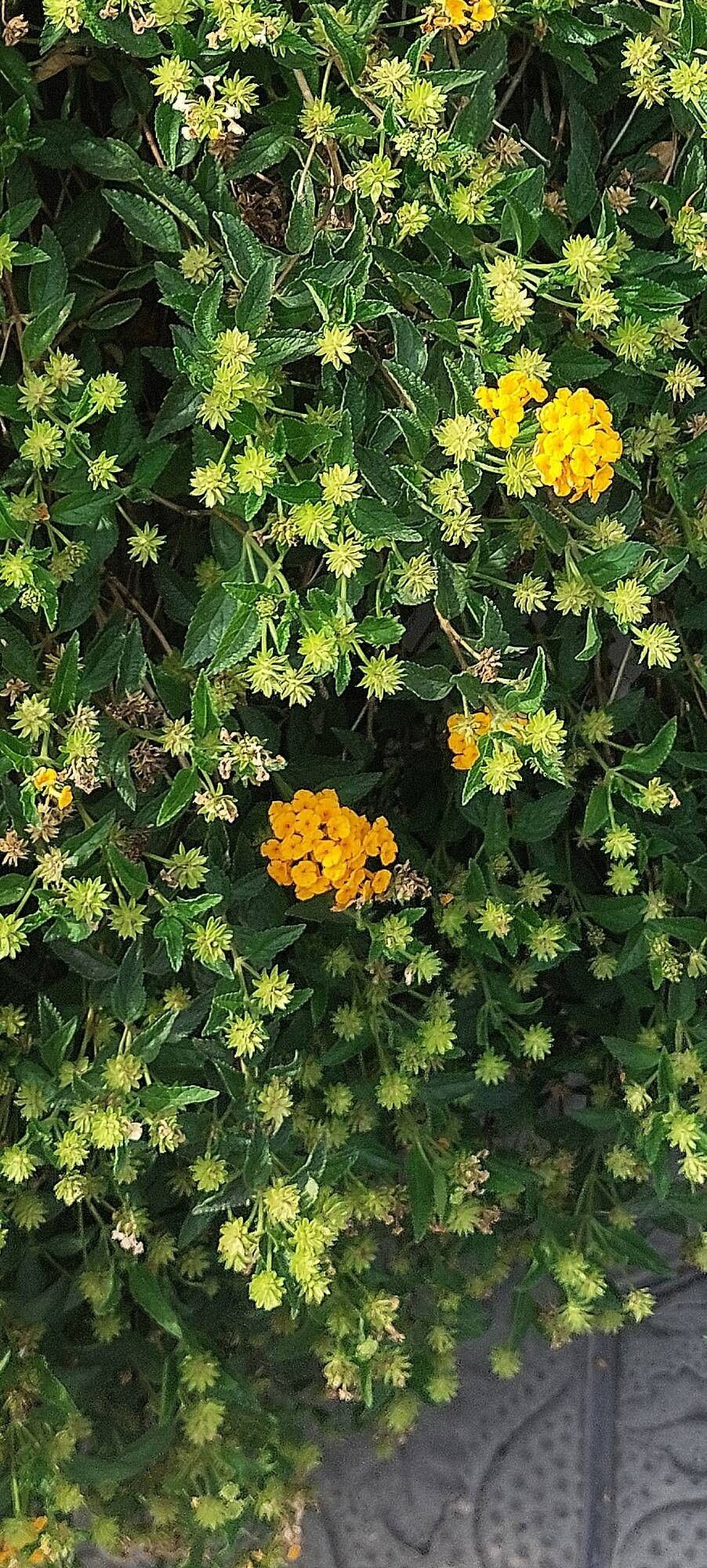
Hey there, fellow garden enthusiasts! You know, there are some plants that just sing in the garden, and for me, Lantana depressa is one of them. Those vibrant blooms, the way they attract all sorts of lovely pollinators – it’s truly a showstopper! And honestly, the joy of taking a piece of that beauty and coaxing it into a whole new plant? That’s one of the most rewarding parts of gardening, in my book. The great news is, if you’re relatively new to propagating plants, Lantana depressa is a wonderfully forgiving friend. You’ll likely find this process quite straightforward and deeply satisfying.
The Best Time to Start
For the highest chance of success, I always reach for my pruning shears in late spring or early summer. This is when the plant is actively growing and has plenty of energy to put into developing new roots. Look for stems that are semi-hardwood – meaning they’re a bit woody but still have some flexibility. Avoid brand-new, floppy green growth or old, woody stems.
Supplies You’ll Need
Gathering your tools before you start makes the whole process smoother. Here’s what I usually have on hand:
- Sharp pruning shears or a clean knife: For making clean cuts.
- Rooting hormone (optional, but helpful): Especially for beginners, this gives cuttings a little boost.
- Well-draining potting mix: A mix designed for cuttings or a blend of peat moss and perlite works wonders. You can also use a sandy loam.
- Small pots or seedling trays: With drainage holes, of course!
- Watering can or spray bottle: For gentle watering.
- Plastic bags or a propagation dome: To create a humid environment.
- Labels: So you don’t forget what you’ve planted!
Propagation Methods: Stem Cuttings
This is my go-to method for Lantana depressa because it’s so reliable.
- Take Your Cuttings: Using your sharp shears, select a healthy stem and cut a piece about 4-6 inches long. Make the cut just below a leaf node (where the leaves attach to the stem). Remove the lower leaves, leaving only the top 2-3 sets. This prevents them from rotting in the soil.
- Prepare the Cutting: If you’re using rooting hormone, dip the cut end of the stem into the powder, tapping off any excess.
- Plant the Cuttings: Fill your pots with the well-draining potting mix. Make a small hole with your finger or a pencil and gently insert the cut end of the Lantana cutting. Firm the soil around it. You can plant several cuttings in one pot, giving them a little space.
- Water Gently: Water the soil thoroughly but gently. You don’t want to dislodge the cuttings.
- Create Humidity: Cover the pots with a clear plastic bag (making sure the leaves don’t touch the sides of the bag) or place them in a propagation dome. This helps keep the humidity high, which is crucial for cuttings to root.
- Find a Cozy Spot: Place the pots in a warm location with bright, indirect sunlight. Direct sun can scorch the delicate cuttings.
The “Secret Sauce”: Pro Tips
Here are a few little tricks I’ve picked up over the years that really make a difference:
- Bottom Heat is Your Friend: If you can, place your pots on a seedling heat mat. This gentle warmth from below encourages root development much faster than just ambient room temperature. It’s like a little spa treatment for your cuttings!
- Don’t Be Afraid to Pinch: Once your cuttings have started to grow a bit, give the main stem a gentle pinch. This encourages branching and results in a bushier, more robust plant down the line. It seems counterintuitive, but it really works wonders for creating fuller plants.
Aftercare & Troubleshooting
Keep an eye on your cuttings. The soil should remain consistently moist but not waterlogged. Check the humidity inside the bag or dome every few days and mist gently if needed. You’ll know your cuttings are rooting when you start to see new leaf growth emerging, usually within 3-6 weeks.
The most common sign of trouble is rot. If you notice stems turning black and mushy, or mold growing on the soil surface, it’s usually a sign of too much moisture and not enough air circulation. In this case, you might need to remove the affected cuttings and try to improve ventilation for the remaining ones. Don’t get discouraged if a few don’t make it; it’s all part of the learning process.
A Little Patience, A Lot of Reward
Propagating Lantana is a wonderful way to multiply your garden’s beauty. Be patient with your new little plants; they’re working diligently underground to establish themselves. Enjoy the process, celebrate each new root that forms, and soon you’ll have plenty of stunning Lantana to share or enjoy in your own landscape. Happy gardening!
Resource:
https://identify.plantnet.org/k-world-flora/species/Lantana%20depressa%20Small/data