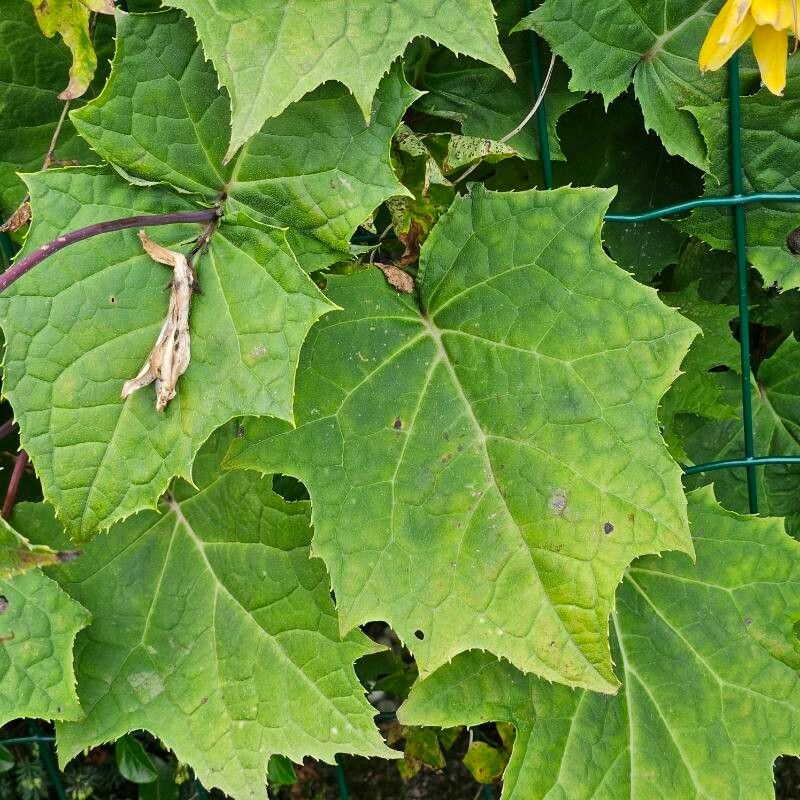
Hello, fellow plant lovers! Today, we’re diving into the world of a truly special perennial: Kirengeshoma palmata, often called the Japanese wax bell. This beauty, with its elegant, maple-like leaves and delicate, waxy, bell-shaped flowers that appear in late summer and fall, is an absolute gem for shady, woodland gardens. Growing it from seed can be a bit of a gamble, and it’s not the fastest grower, but propagating it yourself is a wonderfully rewarding way to share this unique plant with friends or simply expand your own collection. If you’re new to propagation, this one might feel a little more challenging than, say, a geranium cutting, but with a little patience and care, you can absolutely master it.
The Best Time to Start
For Kirengeshoma palmata, I’ve found the most success when I take cuttings in late spring or early summer. This is when the plant is actively growing and hasn’t yet put all its energy into flowering. You want to look for stems that are new growth, slightly firm but not yet woody. Think of it as grabbing a vigorous young shoot before it gets too tough.
Supplies You’ll Need
Here’s what you’ll want to have on hand for successful propagation:
- Sharp, clean pruning shears or a sharp knife: Essential for making clean cuts.
- Rooting hormone (optional but recommended): A little boost can make a big difference.
- Well-draining potting mix: I like a blend of equal parts peat moss (or coco coir), perlite, and a little compost.
- Small pots or seed trays: Clean ones, of course!
- Plastic bags or propagation domes: To create a humid environment.
- Pebbles or perlite (for water propagation): To support the cuttings.
Propagation Methods
The most reliable way I’ve found to propagate Kirengeshoma palmata is through stem cuttings.
- Select Your Cuttings: Using your sharp shears, take cuttings that are about 4-6 inches long. Look for those healthy, semi-hardwood stems.
- Prepare the Cuttings: Gently remove the lower leaves from the stem, leaving only a few at the very top. This prevents them from rotting in the soil. If the leaves are very large, you can even cut them in half horizontally to reduce water loss.
- Apply Rooting Hormone (Optional): Dip the cut end of the stem into your rooting hormone, tapping off any excess.
- Plant Your Cuttings: Fill your pots or trays with your prepared potting mix. Make a small hole with a pencil or your finger, and insert the cutting. Firm the soil gently around it.
- Create Humidity: Water the soil thoroughly, and then cover the pots with a plastic bag or a propagation dome. You want to create a mini greenhouse effect.
The “Secret Sauce” (Pro Tips)
Now, here are a couple of things I’ve learned over the years that can really tip the scales in your favor:
- Don’t let the leaves touch the water (if using pure water propagation): While sometimes I’ll put a cutting in plain water to see if it roots, for Kirengeshoma palmata, it’s best to get them into soil relatively quickly. If you do try water, make sure the leaves are well above the water line. Rot is the enemy here!
- Bottom heat is your friend: If you have a propagation mat, placing your pots on it can significantly speed up root development. The warmth encourages the plant to put energy into rooting. Just don’t let it get too hot; aim for a gentle warmth, not baking heat.
Aftercare & Troubleshooting
Once your cuttings are planted, find them a spot that’s bright but out of direct sun. Keep the soil consistently moist, but not waterlogged. You’ll want to open the plastic bag or dome for a few minutes each day to allow for air circulation and prevent fungal issues.
You’ll know your cuttings are rooting when you see new leaf growth or feel a gentle resistance when you lightly tug on the stem. This can take anywhere from 4 to 8 weeks, sometimes longer.
The most common sign of failure is rot – the stem will turn mushy and black, often at the soil line. This usually happens due to overwatering or poor air circulation. If you see this, unfortunately, that cutting is likely lost. Don’t be discouraged; just try again!
A Little Patience Goes a Long Way
Propagating plants is a dance with nature, and sometimes she likes to take her time. Be patient with your Kirengeshoma palmata cuttings. Celebrate each little sign of progress, and don’t be afraid to get your hands dirty. The joy of watching a new plant unfurl its first true leaves, knowing you helped bring it to life, is truly unmatched. Happy gardening!
Resource:
https://identify.plantnet.org/k-world-flora/species/Kirengeshoma%20palmata%20Yatabe/data