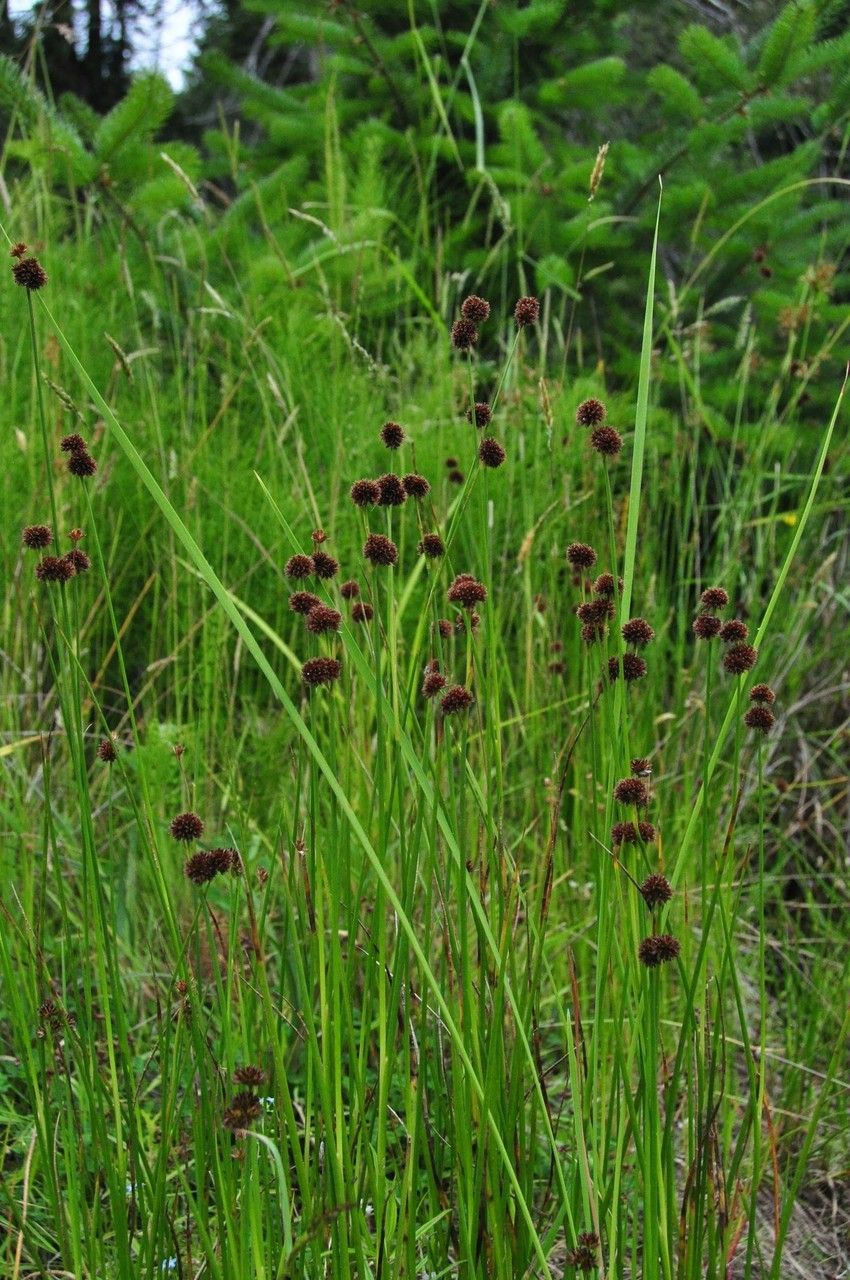
Oh, Juncus bolanderi! Isn’t it just the most charming plant? With its upright, architectural stems and graceful sway, it brings a touch of wild elegance to just about any garden space. Whether you’re aiming for a serene waterside planting or a unique textural element in a border, this little rush has got you covered. And the beauty of propagating your own? It’s incredibly rewarding, letting you expand your collection for free! Don’t let the fancy name fool you; Juncus bolanderi isn’t a diva. In fact, I’d say it’s a forgiving little friend, making it a great choice for those new to the propagation game.
The Best Time to Start
For the highest success rate with Juncus bolanderi, I always recommend starting in late spring or early summer. This is when the plant is actively growing and has plenty of energy to dedicate to putting out new roots. You can also have good luck with division in the fall, but I find those spring babies are just a little bit more robust from the get-go.
Supplies You’ll Need
- Sharp pruning shears or a clean knife: For making clean cuts.
- Well-draining potting mix: A good blend is roughly 1 part peat moss, 1 part perlite, and 1 part composted bark.
- Small pots or seed trays: Cleaned thoroughly, of course.
- Optional: Rooting hormone: While Juncus isn’t the fussiest, a little dip can’t hurt.
- Watering can with a fine rose: For gentle watering.
- Labels and a permanent marker: To keep track of what’s what.
Propagation Methods
I find division to be the most straightforward and successful method for Juncus bolanderi. It’s like giving your plant a little haircut and a fresh start all at once!
Division Step-by-Step:
- Gently excavate: Carefully dig up the entire Juncus bolanderi clump. You want to disturb the roots as little as possible. If it’s in a pot, tip it out. If it’s in the ground, loosen the soil around the edges and lift the whole thing.
- Clean it up (a bit): Gently shake off excess soil. You don’t need to get every speck off, but enough so you can see the plant’s structure.
- Find your divisions: Look for natural breaks in the root system. You should be able to see where one plant ends and another begins. You can often tease them apart with your hands. If a division is stubborn, use your knife or pruning shears to carefully make a clean cut, ensuring each section has a good amount of roots and at least one or two healthy stems.
- Pot them up: Fill your clean pots with your well-draining potting mix. Make a small hole in the center and place your division in, spreading the roots out a bit.
- Backfill and water: Gently firm the soil around the roots. Water thoroughly until you see water draining from the bottom of the pot.
The “Secret Sauce” (Pro Tips)
- Don’t overcrowd your divisions: When you’re making your cuts, aim for divisions that are a good size – not too tiny. A division that’s too small might struggle to establish. Think of it as giving each new plant enough resources to get going.
- Mimic the natural environment: Juncus loves damp feet, but it hates soggy roots sitting in stagnant water. When you water your new divisions, ensure they are consistently moist but never waterlogged. This might mean placing your pots on a tray of pebbles filled with water, or in a slightly shadier spot where the soil won’t dry out too quickly.
- Patience is key: These little guys can take their time sending up new shoots. Don’t be tempted to dig them up too soon to check for roots! Give them a good month before you start to worry.
Aftercare & Troubleshooting
Once your Juncus bolanderi divisions are potted up, keep them in a location that gets bright, indirect light. Water them consistently so the soil stays moist but not soggy. As they start to show new growth – little green shoots emerging from the base – you can gradually introduce them to more sun.
The most common sign of trouble is rot. If your division looks mushy, has yellowing stems that easily pull away, or smells unpleasant, it’s likely due to overwatering or poor drainage. If you spot this early, try to gently remove the rotted parts, ensure good drainage, and allow the soil to dry out slightly before watering again. Sometimes, sadly, a lost cause is a lost cause, but don’t let that discourage you from trying again!
A Welcoming Conclusion
Now go forth and propagate! Propagation is such a wonderful way to connect with your plants and see the magic of new life unfold. Be patient with your Juncus bolanderi, offer it consistent care, and before you know it, you’ll have a whole new cluster of these lovely rushes to enjoy. Happy gardening!
Resource:
https://identify.plantnet.org/k-world-flora/species/Juncus%20bolanderi%20Engelm./data